
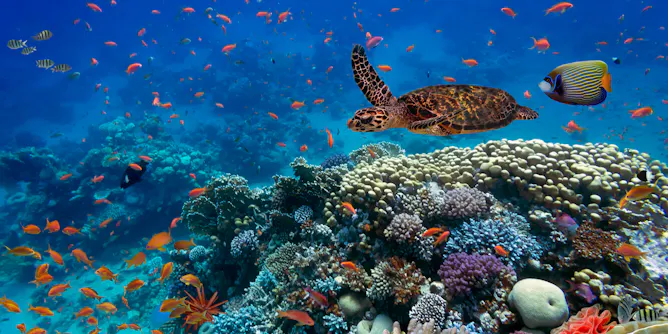
The world missed all 20 targets for stemming the tide of biodiversity loss. But there has been some progress over the last decade.
Articles on Invasive species
Displaying 201 - 220 of 391 articles

Compassionate conservationists believe no animal should be killed in the name of conservation. This idea is a death knell for Australia’s native species.
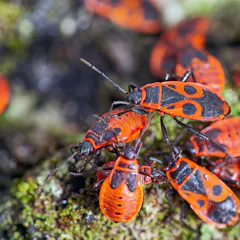
Entomologists worried about invasive pests have thousands of curious community scientists posting their findings online — and identifying new species.
Our research investigated 900 ‘alien’ species across almost 200,000 protected areas worldwide.
New Zealand is pumping millions of dollars into environment projects as part of its COVID-19 recovery. Australia’s recovery plan seems more destructive than reconstructive.
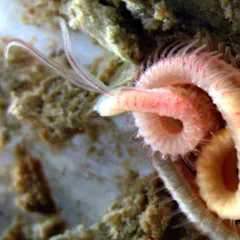
Mud blister worms make their homes in the shells of oysters and other shellfish, where they weaken their hosts.
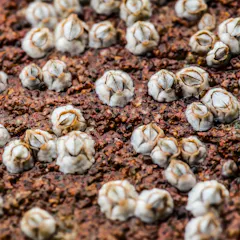
Barnacles are an invasive species, carried worldwide along shipping routes. But Japan has a local solution: predatory and herbivorous snails feed on the barnacles and limit their spread.
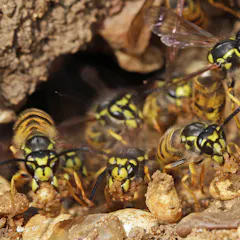
The invasive species was likely brought to Australia unintentionally by ship. Now found in every state and territory, the wasps are decimating our ecosystems.
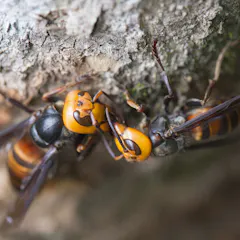
Asian giant hornets have received plenty of media attention recently. The only tangible threat they pose is to honey bees, which has nothing to do with the hornets — and everything to do with us.
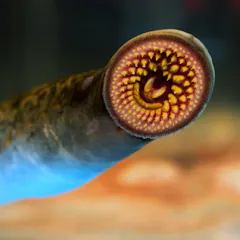
When sea lampreys gained a foothold in the Great Lakes in the 1950s, these trout-sucking predators upended the ecosystem.
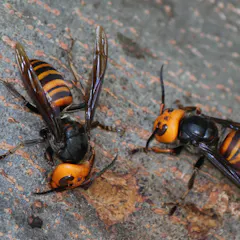
Are ‘murder hornets’ from Asia invading North America? A Japanese entomologist who’s been stung by one and lived to tell the tale explains what’s true about these predatory insects.
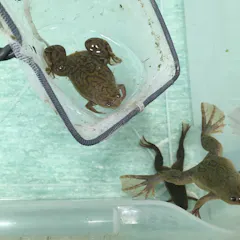
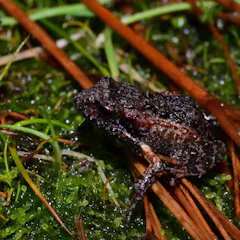
The African clawed frog is a notorious invader but it also takes some parasites with it to new regions.
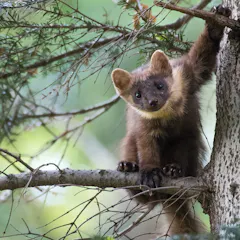
Where pine martens have recovered, red squirrels have tended to benefit while grey squirrels have declined. Scientists weren’t sure why – until now.
CC BY-NC-ND5.67 MB (download)
Acoustic monitoring is ideal for tracking the abundance of a species over time, because it has minimal impact on the species being monitored.
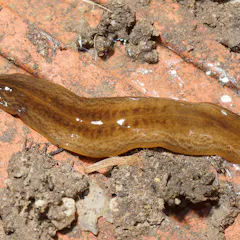
The predatory flatworm Obama nungara travelled in potted plants from Argentina to Europe, where it’s distrupting soil ecosystems. Now, citizen-scientists are helping map their distribution.
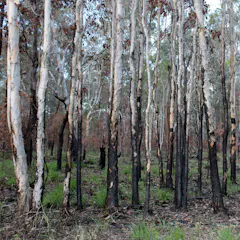
Weeds can play an important role supporting ecosystem recovery after fire.
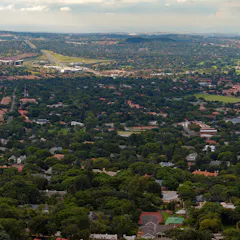
A tree-killing beetle that invaded South Africa two years ago and wreaked havoc in the country’s towns and cities still hasn’t been declared an emergency plant pest.
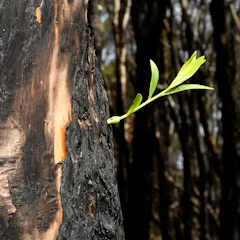
By all means, rescue an injured koala. But by pulling out weeds after the fires, you could also help rescue a whole ecosystem.
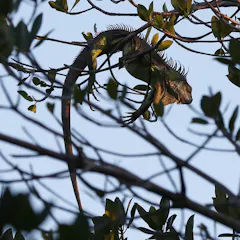
Green iguanas are an invasive species that seem to be spreading and proliferating in Florida. Used to warmer temps, they switch into torpor mode when the mercury drops.
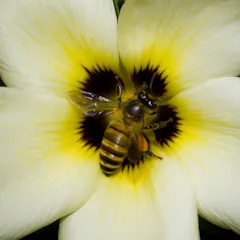
Bees innocuously buzzing ‘round the birdbath may be a barometer for burgeoning bee invasions.
Top contributors
-

Professor in Wildlife Ecology and Conservation, School of Life & Environmental Sciences, Deakin University
-
Honorary Research Fellow, University of Sydney
-
Professor in Terrestrial Ecology, Deakin University
-
Professor in Evolutionary Biology, Macquarie University
-
Professor of Wildlife Conservation, University of Tasmania
-
Professor Emeritus in Terrestrial Ecology, University of Sydney
-
Professor in Environmental Science, Charles Darwin University
-
Professeur, UMR ISYEB (Institut de Systématique, Évolution, Biodiversité), Muséum national d’histoire naturelle (MNHN)
-
Director of the Wildlife Crime Research Hub, Australian Research Council Industry Laureate Fellow, Adelaide University
-
Professor of Conservation Biology, Charles Darwin University
-
Associate Professor, Global Ecology, University of Sydney
-
Research Director CSIRO Health & Biosecurity, CSIRO
-
Professor in Zoology, James Cook University
-
Lecturer in the School of Applied Sciences, Edinburgh Napier University
-
Adjunct Professor, The University of Western Australia