
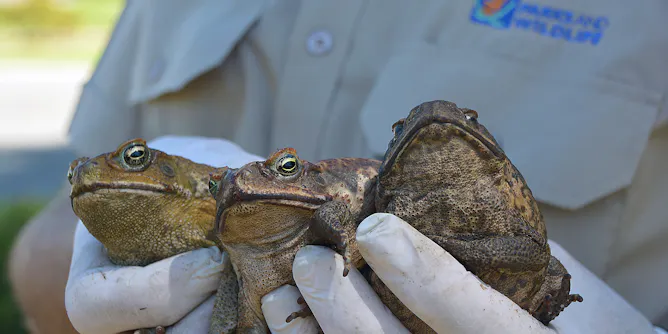
New cane toad traps that carefully imitate mating males successfully target breeding females. Males, meanwhile, will turn up for anything that sounds remotely like a toad.
Articles on Invasive species
Displaying 261 - 280 of 391 articles
Famine weed spreads rapidly and is devastatingly destructive. Biocontrol is one way of dealing with the problem.
In richer countries, the socio-economic impact of invasive species can be tackled through technology or adaptive behaviour. But this isn’t the case in poor countries.
Everywhere humans go, we take our pets. Fleas are along for the ride, spreading everything from typhus to bubonic plague.
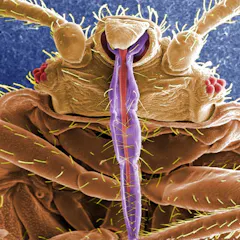
Bed bugs make us shudder and cringe. So arm yourself with the courage to learn about the biology and successes of Cimex lectularius – as well as the ways to get rid of it.
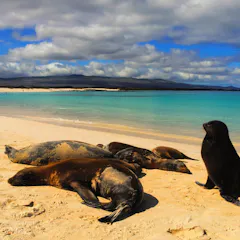
More than 1,500 introduced species have been recorded on the Galapagos Islands, and most have arrived since the archipelago’s tourism industry was expanded in the 1970s.
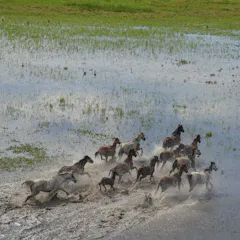
From 30,000-year-old cave paintings to The Man From Snowy River, wild horses have always been part of human culture. As Australia debates what to do with ‘brumbies’ in mountain environments, it’s time to reconsider their place.
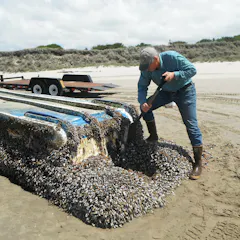
As well as thousands of deaths and huge destruction, Japan’s 2011 tsunami carried potentially invasive species en masse across an entire ocean.
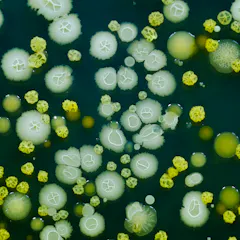
When jetting off on holiday, we rarely give a second thought to what microbes we might be taking with us. But humans spread trillions of bacteria around the globe, potentially harming ecosystems’ balance.
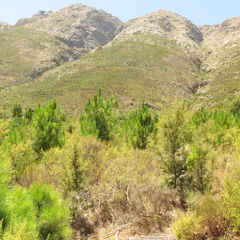
Invasive plants have an impact on native species and unless these factors are properly understood, it is difficult to predict what sort of impact invasive plants will have.
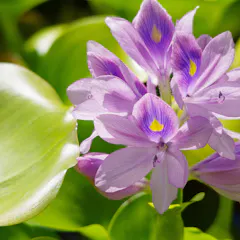
Lake Tana in Ethiopia has been massively affected by the invasive weed, water hyacinth. Control methods are available but there are challenges.
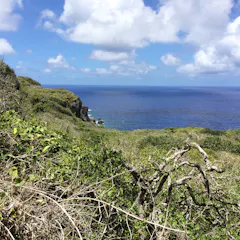
Guam’s trees are in trouble, thanks to the accidental release of a snake species 70 years ago, which has killed off many of the bird species that are vital for the health of the island’s forests.

Releasing just 100 mice carrying a faulty gene designed to stop them reproducing can remove an entire population of 50,000, a new study shows, paving the way for new eradication efforts.
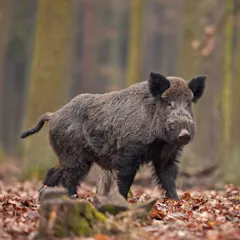
Swine brucellosis is spreading from Queensland into New South Wales. It’s carried by feral pigs and poses a real risk the people and dogs that hunt them.
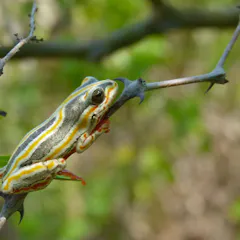
Invasive frogs can have a major impact on the environment. Some move continents by human trade or travel. But determining how to control them can lead to policies that limit their spread and effects.
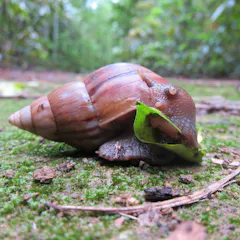
There’s a terrifying species that spreads rapidly, breeds prolifically and eats hundreds of plants. But the first research into the actual harm caused by giant African land snails found … not much.
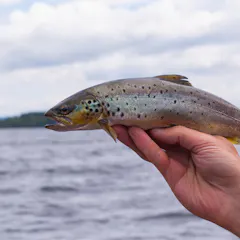
Regulating species in South Africa is difficult. But identifying those creating the greatest tension, would shift focus on the most destructive species.
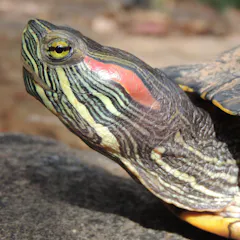
Exotic pets may rank highly on the novelty and excitement scale, but little is known about their ownership in Australia.
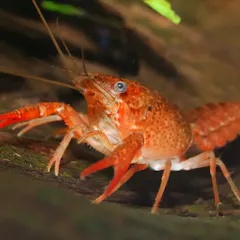
Developing countries have been slow to react to the alien species problem. Its impact can be massively reduced if policies are developed to deal with the issue.

Most of the earthworms in the US Northeast and upper Midwest are nonnative species. Scientists are finding increasing evidence that invasive worms and invasive plants may help each other.
Top contributors
-

Professor in Wildlife Ecology and Conservation, School of Life & Environmental Sciences, Deakin University
-
Honorary Research Fellow, University of Sydney
-
Professor in Terrestrial Ecology, Deakin University
-
Professor in Evolutionary Biology, Macquarie University
-
Professor of Wildlife Conservation, University of Tasmania
-
Professor Emeritus in Terrestrial Ecology, University of Sydney
-
Professor in Environmental Science, Charles Darwin University
-
Professeur, UMR ISYEB (Institut de Systématique, Évolution, Biodiversité), Muséum national d’histoire naturelle (MNHN)
-
Director of the Wildlife Crime Research Hub, Australian Research Council Industry Laureate Fellow, Adelaide University
-
Professor of Conservation Biology, Charles Darwin University
-
Associate Professor, Global Ecology, University of Sydney
-
Research Director CSIRO Health & Biosecurity, CSIRO
-
Professor in Zoology, James Cook University
-
Lecturer in the School of Applied Sciences, Edinburgh Napier University
-
Adjunct Professor, The University of Western Australia