
A proposed global framework could help reverse the decline of nature. But it needs real-world testing and independent scrutiny.
Articles on Biodiversity
Displaying 1 - 20 of 1190 articles

From air pollution and invasive species to genes and ecosystems, indicators help track what drives the ups and downs happening in nature.

After planting native gardens on nature strips, we found seven times more insect pollinators came to visit.

When rats and mice are introduced to islands, they can eat native invertebrates to extinction. When rodents are eradicated, recovery begins.
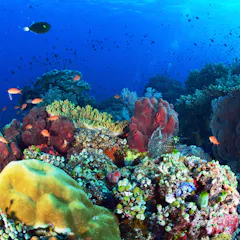
“Climate refugia” plays a key role in ocean conservation by providing safe havens for the biodiversity which underpins the health of our seas.
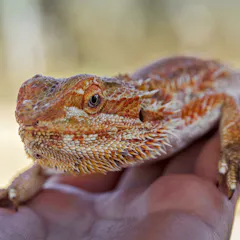
The international reptile trade has long been viewed as a conservation threat, but recent research suggests that’s not the full story.
A recent UN biodiversity summit showed little progress has been made.

Urban diversity losses may be stemmed by greener urban planning.

NZ’s environmental problems are mounting, while the regulatory system managing them has undergone radical change.

Effective environmental policy requires early relationship-building, trust, shared goals, clear communication and long-term funding.
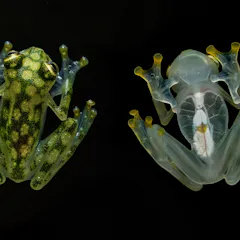
They have creepy tendencies but these animals are real not fictional.
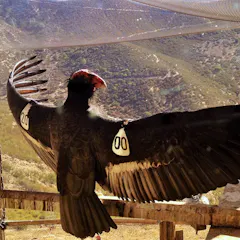
When conservation affects local people, the question of who pays and who has a voice in decisions can make or break species recovery.
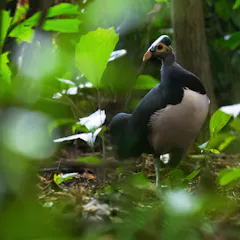
Tracking species relationships isn’t easy. Yet analysing 422 bird species across 1,410 locations offers far deeper insight, revealing the true depth of the evolutionary history at stake.

The stories of a whale, a panther and a butterfly help explain why new interpretations of the Endangered Species Act could be catastrophic for species’ survival.
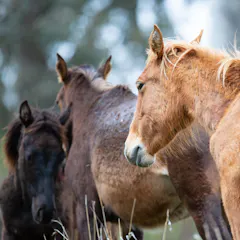
Feral horses can inflict major ecological damage, as two experts explain.
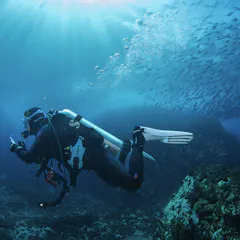
Overfishing and poor enforcement are just two reasons marine ecosystems are struggling to recover.
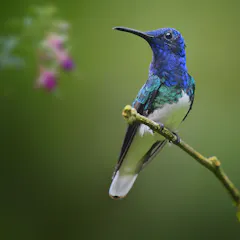
Scientists are discovering previously unknown species in unexpected places, according to a new study.
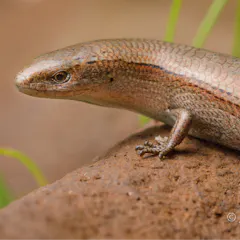
Australia is famous for its lizards and snakes. But we found at least 127 species are threatened – almost twice as many as previously thought.
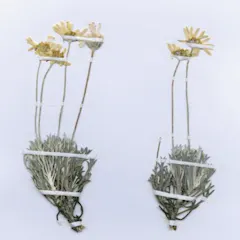
Herbarium cabinets lock away valuable plant data that needs to be mobilised through digitisation.
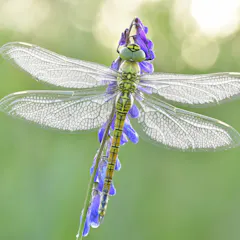
When we lose insect species without even knowing they existed, we will never know where they lived, what they looked like, how they interacted with other species or the impact they had on ecosystems.
Top contributors
-

Professor in Wildlife Ecology and Conservation, School of Life & Environmental Sciences, Deakin University
-
Professor in Conservation Science, School of the Environment, The University of Queensland
-
Professor, Urban Ecology and Biodiversity, The University of Melbourne; RMIT University
-
Distinguished Professor of Ecology, Fenner School of Environment and Society, Australian National University
-
University Fellow in Biodiversity, Charles Darwin University
-
Professor of Conservation Biology, Charles Darwin University
-
Professor in Conservation Science, School of Ecosystem and Forest Science, The University of Melbourne
-
Professor of Conservation and Sustainable Livelihoods, Charles Darwin University
-
Distinguished Research Professor and Australian Laureate, James Cook University
-
Professor of Environmental Management, The University of Queensland
-
Senior Lecturer, Public Sector Management, School of Business, UNSW
-
Professor, Conservation Biology, The University of Queensland
-
Lecturer, School of Environment and Science, Griffith University
-
Professor, TC Beirne School of Law, The University of Queensland
-
Ecologist and Researcher, Flinders University