
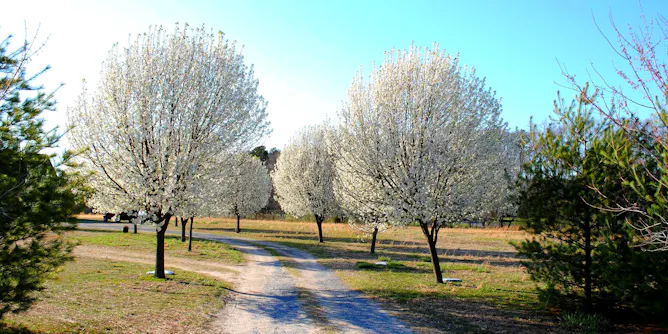
They’re beautiful in bloom, but Callery pear trees crowd out native plants and turn productive open land into woody thickets.
Articles on Invasive species
Displaying 121 - 140 of 391 articles
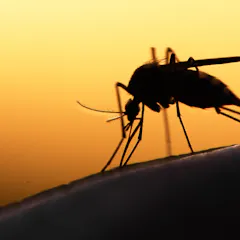
This mosquito spreads very fast to new areas and can adapt to various climatic conditions, unlike the non-invasive malaria vectors.
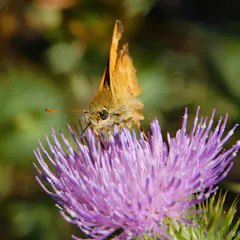
Conservation practitioners and policymakers must organize and prioritize the management of habitats around whether species are more beneficial or harmful to biodiversity.
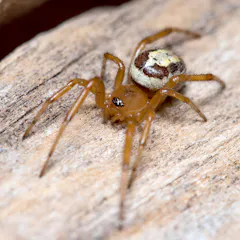
Once confined to the Canary Islands, noble false widow spiders are casting their web worldwide.
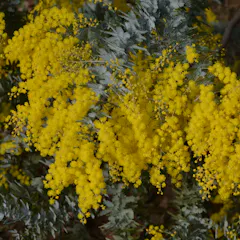
From pine trees to camphor laurel and even the Cootamundra wattle, trees can be weeds too.
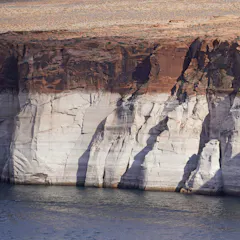
Lake Powell’s existential crisis is a unique opportunity to save a treasured landscape.
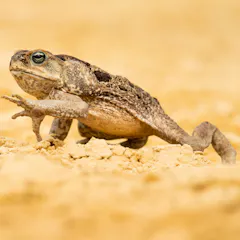
Enormous cane toads in Australia are not new – but we might see even larger ones as predators figure out how to eat these introduced toxic toads.
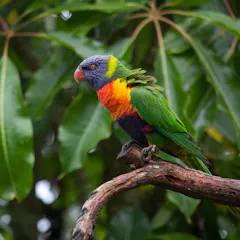
The pet trade has spurred a wave of bird imports, leading to escapes or even deliberate releases of exotic species into the wild. New research reveals the threat they now pose to native birds.
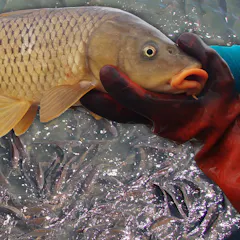
Carp can make riverbeds look like golf balls – denuded and dimpled, devoid of any habitat. Releasing carp herpes virus is a controversial proposition, so let’s weigh up the risks and benefits.

The ways eastern fence lizards have changed in response to red imported fire ants demonstrate how species can adapt to survive the presence of invasive predators.
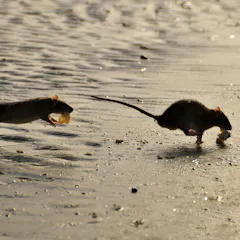
Rats are disrupting the flow of nutrients towards the sea on many tropical islands – this has consequences for fish behaviour and the wider ecosystem.
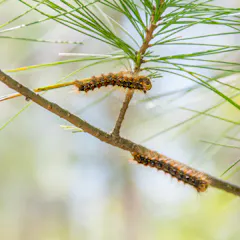
Creating and preserving diverse forests can help us prepare for the next insect outbreak and protect our trees.

Scientists have found more ‘alien species’ today in regions that were once key parts of European empires.
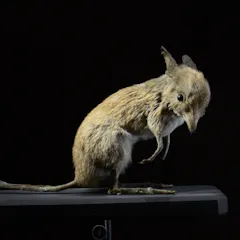
38 mammals have been driven to extinction since colonisation, and many more are close to joining them. We have the solutions at hand, but warnings continue to be met with mediocre responses.
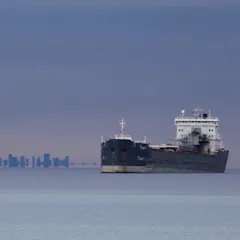
Ballast water release from ocean vessels has been a major source of invasive species in the Great Lakes for over 60 years.

New research has found that since the mid-1980s, the economic impact of invasive reptiles and amphibians totals more than US$17 billion.
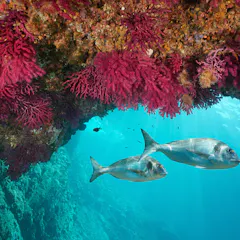
While official data is yet to be released, this year’s Mediterranean marine heatwave will likely have devastating ecological consequences.
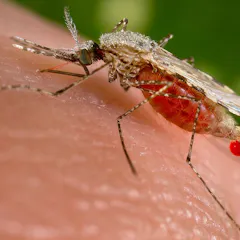
The spread of this urban malaria vector species threatens the gains made against malaria and the achievement of malaria elimination.
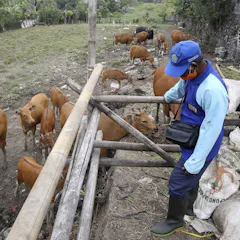
Indonesia’s foot-and-mouth outbreak shouldn’t come as a surprise. It’s been decades in the making – just the latest consequence of biosecurity shortcomings in the region.
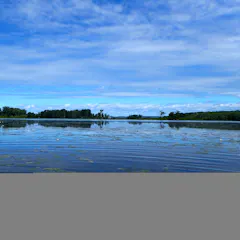
Wetlands can help limit the spread of the voracious round goby, an invasive species that has infiltrated the Great Lakes and has become widespread in the St. Lawrence River.
Top contributors
-

Professor in Wildlife Ecology and Conservation, School of Life & Environmental Sciences, Deakin University
-
Honorary Research Fellow, University of Sydney
-
Professor in Terrestrial Ecology, Deakin University
-
Professor in Evolutionary Biology, Macquarie University
-
Professor of Wildlife Conservation, University of Tasmania
-
Professor Emeritus in Terrestrial Ecology, University of Sydney
-
Professor in Environmental Science, Charles Darwin University
-
Professeur, UMR ISYEB (Institut de Systématique, Évolution, Biodiversité), Muséum national d’histoire naturelle (MNHN)
-
Director of the Wildlife Crime Research Hub, Australian Research Council Industry Laureate Fellow, Adelaide University
-
Professor of Conservation Biology, Charles Darwin University
-
Associate Professor, Global Ecology, University of Sydney
-
Research Director CSIRO Health & Biosecurity, CSIRO
-
Professor in Zoology, James Cook University
-
Lecturer in the School of Applied Sciences, Edinburgh Napier University
-
Adjunct Professor, The University of Western Australia