

Plus a new technique to protect birds from predators – using fake smells. Listen to episode 10 of The Conversation Weekly podcast.
Articles on Invasive species
Displaying 181 - 200 of 391 articles
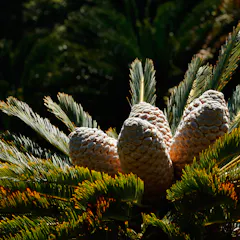
Most South African provinces are favourable for the establishment of a new invasive alien pest, which may lead to the extinction of native cycad species.
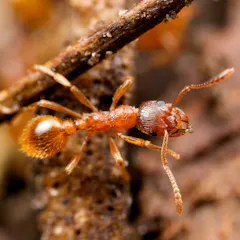
Animals that are traded as pets are more likely to be invasive species, including a relatively new pet: ants.

The Mediterranean region, with its biodiversity, climate, demographics, and economic activities such as tourism, agriculture and fisheries, is particularly vulnerable to environmental risks.
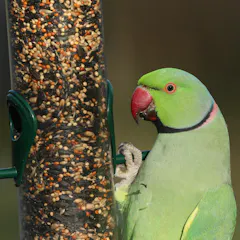
Let’s embrace the possibilities of hybrid ecosystems.
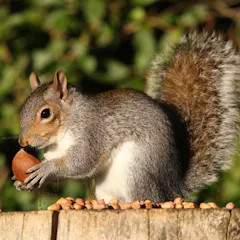
Squirrel feeders laced with contraceptives could be used to suppress grey squirrels in the UK.
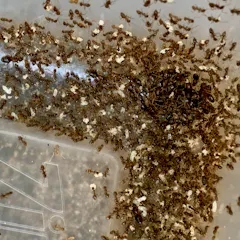
The spread of tawny crazy ants may be driven, in part, by their need for calcium. The calcium-rich limestone bedrock of the lower U.S. Midwest may provide ideal conditions for populations to explode.
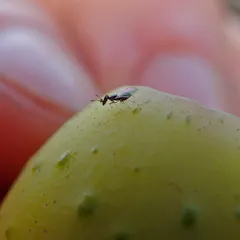
As invasive species transform the world, frontline agencies take solace that species needing unique partners can’t invade alone. A new study on figs shows they may find new partners to invade anyway.
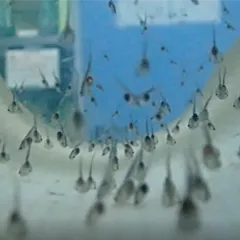
Tadpoles at the edge of the population are no more vulnerable than those at the centre.
Our study is the first to research the impact of online misinformation on biological invasions.
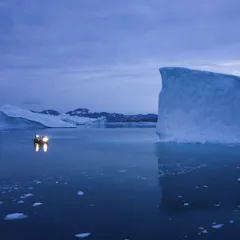
The Arctic has been a remote place for much of its history. But climate change is bringing global problems and opportunities to its door.

Researchers have come up with a new framework that assigns an invasive species threat score to World Heritage Sites. This will improve how these species monitored and managed.

Over spring and early summer, jacarandas and their purple haze line many Australian streets. But how much do you really know about them?
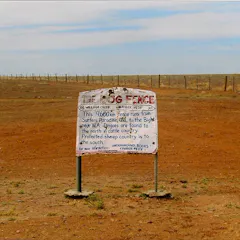
Millions of miles of fences crisscross the Earth’s surface. They divide ecosystems and affect wild species in ways that often are harmful, but are virtually unstudied.
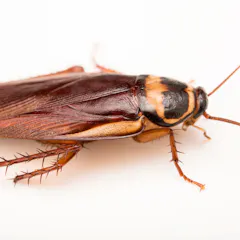
The reality TV show I’m a Celebrity, Get Me Out Of Here is under fire for using non-native insects while filming in the Welsh countryside.
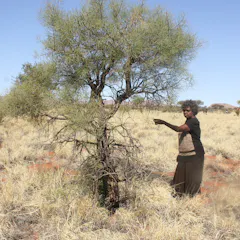
Buffel grass causes just as much damage to native wildlife as feral cats. But with the right control measures, biodiversity can bounce back.
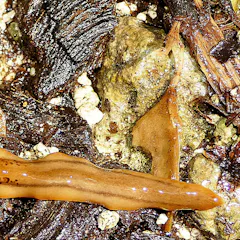
Several species of flatworms have invaded the West Indies, and some are spectacular. We take stock of the situation with a study published at the same time as this article.

A new study examines the diet of an invasive population of guttural toads in Mauritius and finds a number of species of conservation concern.
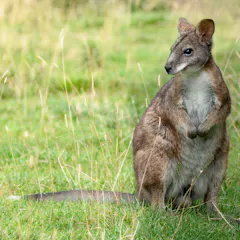
First imported by zoos, wallabies proved to be adept escape artists that can survive in the British countryside.
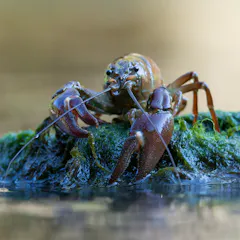
We found that signal crayfish traps tend to catch larger males, letting the bulk of the population go free.
Top contributors
-

Professor in Wildlife Ecology and Conservation, School of Life & Environmental Sciences, Deakin University
-
Honorary Research Fellow, University of Sydney
-
Professor in Terrestrial Ecology, Deakin University
-
Professor in Evolutionary Biology, Macquarie University
-
Professor of Wildlife Conservation, University of Tasmania
-
Professor Emeritus in Terrestrial Ecology, University of Sydney
-
Professor in Environmental Science, Charles Darwin University
-
Professeur, UMR ISYEB (Institut de Systématique, Évolution, Biodiversité), Muséum national d’histoire naturelle (MNHN)
-
Director of the Wildlife Crime Research Hub, Australian Research Council Industry Laureate Fellow, Adelaide University
-
Professor of Conservation Biology, Charles Darwin University
-
Associate Professor, Global Ecology, University of Sydney
-
Research Director CSIRO Health & Biosecurity, CSIRO
-
Professor in Zoology, James Cook University
-
Lecturer in the School of Applied Sciences, Edinburgh Napier University
-
Adjunct Professor, The University of Western Australia