
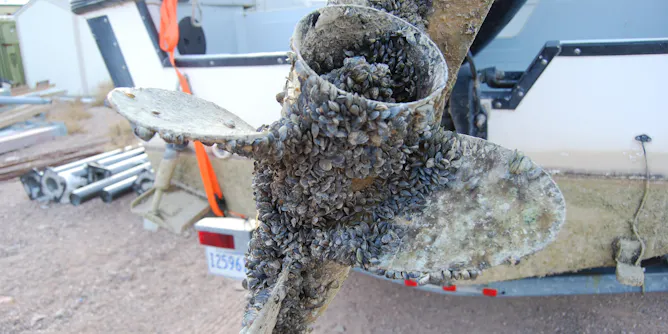
Zebra and quagga mussels entered the Great Lakes in large ships’ ballast water. Now, local boaters and anglers are spreading them into the southern and western US.
Articles on Invasive species
Displaying 141 - 160 of 391 articles
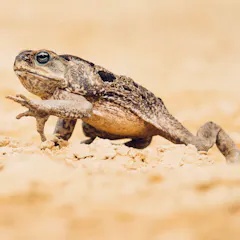
The simulation showed catching cane toads once a week involved 85% less cost and effort than other strategies, but was just as effective.

Trees were already known for cooling and cleaning the air of cities. A Europe-wide, participative science project shows how much their density matters for urban biodiversity.

Once hated, native predators are now credited with limiting invasive prey populations.
A changing climate will make it difficult to anticipate and prevent invasions.
Correctly identifying species is essential for effective management and conservation.
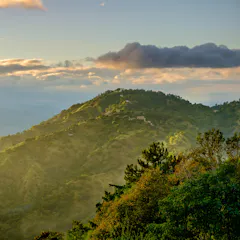
An invasive Australian tree is exploiting ever-stronger hurricanes.
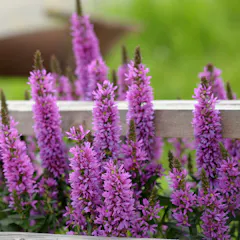
Evolution by natural selection is a potent agent of change, allowing species to adapt to new and changing environments. But is it sustainable?
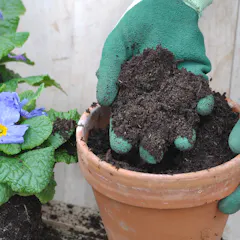
Potting soils are helping plant seeds travel. Is it benign or harmful?
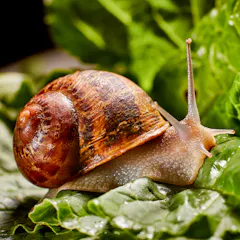
The UK wants gardeners to stop thinking of slugs and snails as pests and to embrace garden biodiversity. Is it worth considering in Australia?

Clearing alien trees from mountain catchments is a more cost-effective approach to providing water than building and maintaining desalination plants.
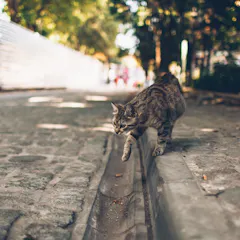
A new study shows that when free-ranging cats are more than a few blocks from forested areas in cities, such as parks, they’re more likely to prey on rats than on native wildlife.
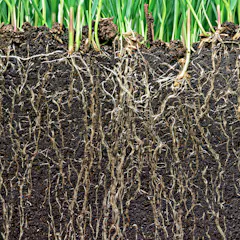
Plants communicate with the fungi on their roots, but the effects on the ecosystem of deliberately adding fungi as a fertilizer are unknown — and might be harmful.

Clearing alien trees before the drought hit could have reduced the impact of climate change on water supply during the ‘Day Zero’ drought.

New research finds 74% of land managers who reported releasing a powerful biocontrol release it during the peak rabbit breeding period. This can lead to rabbit populations actually increasing.
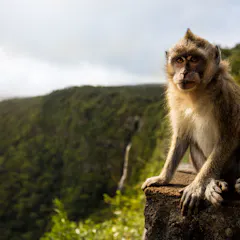
Macaques are an alien species - and the endemic plants and animals of the island haven’t adapted to protect themselves against these monkeys.
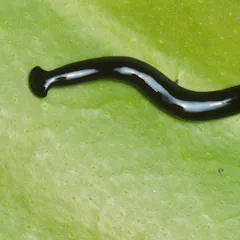
A new species of flatworm is invading us. It is metallic black in color and its name is Humbertium covidum.
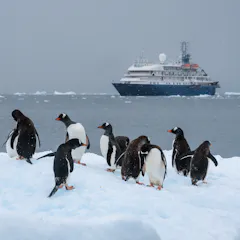
New research maps how ship traffic connects Antarctica to worldwide ecosystems.

What scientists learnt from analysing alien marine organisms that hitch-hike around the world on ships and other vessels that make their way into South African shores.
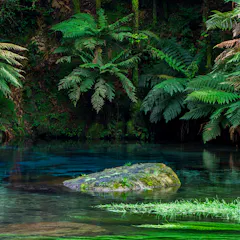
Introduced species that become invasive are clearly destructive, but many exotic species are not detrimental to the existing ecosystem – some become complementary or take on lost ecological roles.
Top contributors
-

Professor in Wildlife Ecology and Conservation, School of Life & Environmental Sciences, Deakin University
-
Honorary Research Fellow, University of Sydney
-
Professor in Terrestrial Ecology, Deakin University
-
Professor in Evolutionary Biology, Macquarie University
-
Professor of Wildlife Conservation, University of Tasmania
-
Professor Emeritus in Terrestrial Ecology, University of Sydney
-
Professor in Environmental Science, Charles Darwin University
-
Professeur, UMR ISYEB (Institut de Systématique, Évolution, Biodiversité), Muséum national d’histoire naturelle (MNHN)
-
Director of the Wildlife Crime Research Hub, Australian Research Council Industry Laureate Fellow, Adelaide University
-
Professor of Conservation Biology, Charles Darwin University
-
Associate Professor, Global Ecology, University of Sydney
-
Research Director CSIRO Health & Biosecurity, CSIRO
-
Professor in Zoology, James Cook University
-
Lecturer in the School of Applied Sciences, Edinburgh Napier University
-
Adjunct Professor, The University of Western Australia