

Gen Z is leading an eating revolution, akin to ‘activism on a plate’. It might include eating insects – and social media plays a central role.
Articles on Insects
Displaying 1 - 20 of 549 articles

After planting native gardens on nature strips, we found seven times more insect pollinators came to visit.

As insect biodiversity declines, people and all the other species on Earth stand to lose the beneficial ‘ecosystem services’ bugs provide.
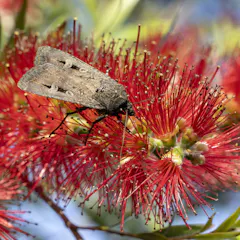
These unassuming insects are increasingly under pressure from climate change.
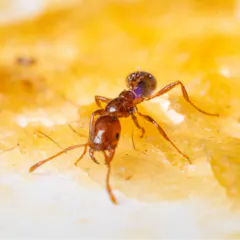
Earwax’s unusual physical properties help it repel insects in the lab. Is this a job it evolved to do in animal ears?
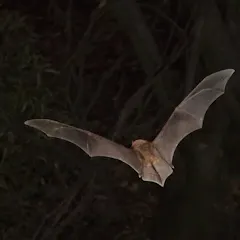
As the climate changes, bats will need both suitable foraging landscapes and caves for roosting.
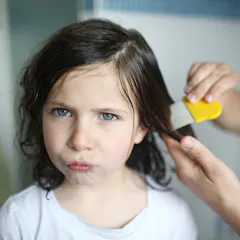
Don’t panic! Having head lice can be frustrating, but it’s not dangerous and there are effective treatments.
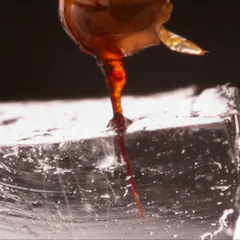
The stinger is effectively a fully autonomous micro-pump, but it works in an unusual way.

The Murray Mallee matchstick is a newly discovered grasshopper species from northwestern Victoria.
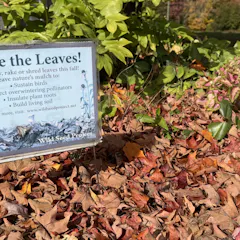
Fallen leaves provide essential winter habitat for native pollinators and provide natural mulch for the soil. If you have to clear some leaves, don’t get rid of them entirely: Move them out of sight.
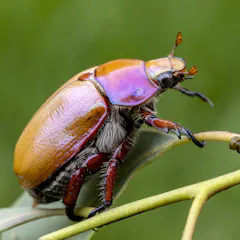
Spring is the perfect time to get outside and appreciate our tiniest critters.
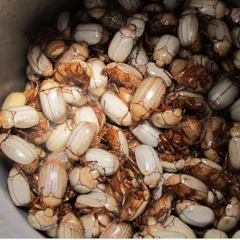
Eating insects is often seen as a last resort when people are starving, and yet, in the countries where they are widely consumed, they are often a rare delicacy, even a luxury.

Native bees pollinate many of Australia’s unique plants and help entire ecosystems thrive.
Insects are under threat partly because of man-made climate change, heatwaves and intensive farming.

Tsetse flies move between a broad range of animals. They connect wildlife, livestock and humans in complex transmission networks.
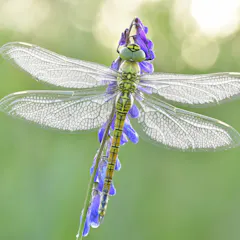
When we lose insect species without even knowing they existed, we will never know where they lived, what they looked like, how they interacted with other species or the impact they had on ecosystems.
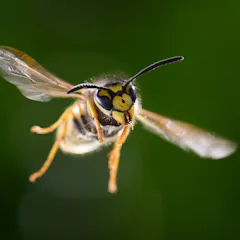
And why you should let them share your picnic ham and jam.

Researchers were surprised to find how widespread this magnetic property was, not only across families of bees but also beetles, wasps and flies.
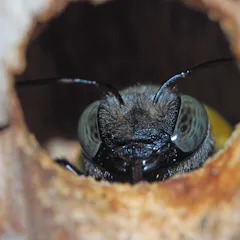
Human-made carbon dioxide emissions threaten the very survival of our larger pollinators.
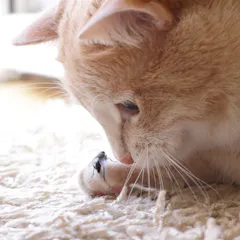
A look at cats’ diets as reported by researchers over many years shows they eat a lot more than people might think.
Top contributors
-

Associate Professor in Entomology, University of Sydney
-
Clinical Associate Professor, School of Medical Science & Sydney Infectious Diseases Institute; Principal Hospital Scientist, University of Sydney
-
Professor of Behavioural Ecology, UCL
-
Lecturer, School of Life and Environmental Sciences, University of Sydney
-
Director of the Australian National Insect Collection, CSIRO
-
Lecturer in Ecology, University of New England
-
Associate Professor, Department of Physiology, Monash University
-
Research Fellow, School of Biological Sciences, Monash University
-
Postdoctoral Researcher in Mycology, West Virginia University
-
Adjunct associate, CSIRO
-
Associate Professor, Ecology, Northumbria University, Newcastle
-
Senior Research Associate in Entomology, Lancaster University
-
Assistant Professor, Faculty of Agriculture, Dalhousie University
-
Senior Ecologist, University of Sydney
-
PhD Candidate in Zoology, University of Otago