
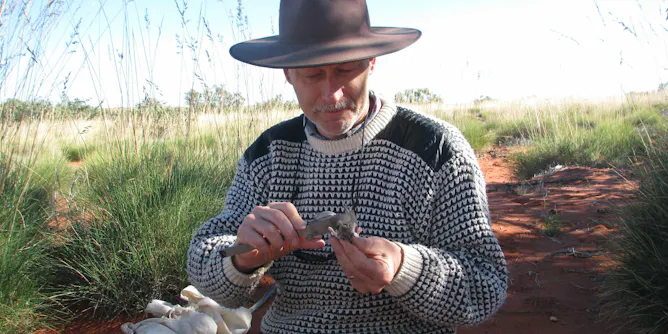
Four ecologists reflect on the distinguished life and career of Chris Dickman.
Articles on Wildlife
Displaying 1 - 20 of 848 articles

After planting native gardens on nature strips, we found seven times more insect pollinators came to visit.
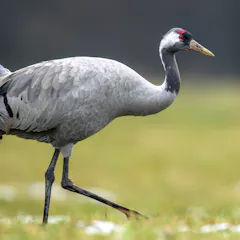
The research shows that two crane species were actually the same one.
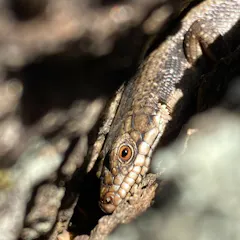
Many reptiles rely on rocky areas to find food, escape predators and reproduce.

Understanding how to avoid aggression between animals is important when moving them for conservation purposes.
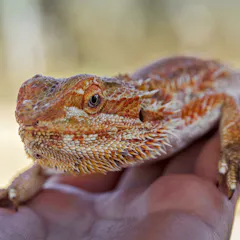
The international reptile trade has long been viewed as a conservation threat, but recent research suggests that’s not the full story.
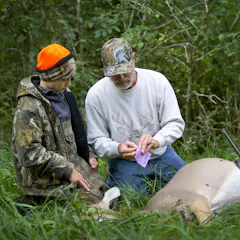
Over 150 screwworm cases have appeared in US animals in 2026, including in elk. Here’s how America’s 11.5 million hunters can help contain the spread.
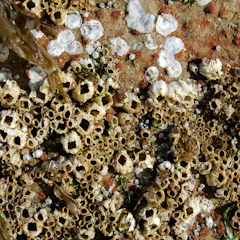
Letting the ordinary become interesting again is a key part of studying natural history and animal behavior.

Young fledgling birds need time to learn to fly and forage themselves.
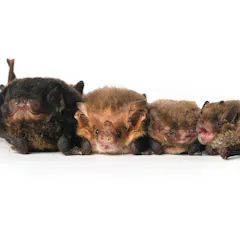
A new study into microbats used so-called bat detectors to help track them down.
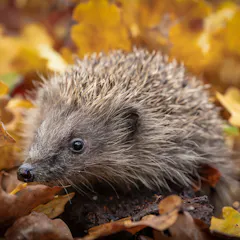
By simply doing less, we can promote habitat complexity and help increase species diversity.
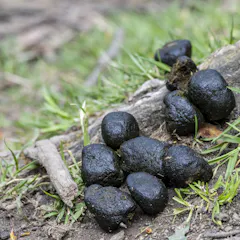
Scat may be a waste product, but it holds crucial clues about an animal’s diet, disease risk and genetic health.
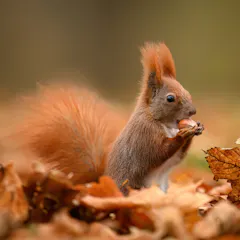
Some animals change sex altogether in the autumn.
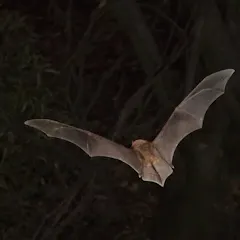
As the climate changes, bats will need both suitable foraging landscapes and caves for roosting.
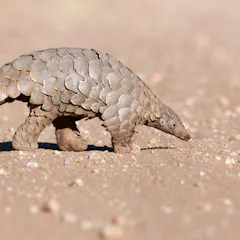
When wild animals are illegally imported to Canada, the law is clear about what happens to perpretrators. It fails to address how they are cared for after seizure.
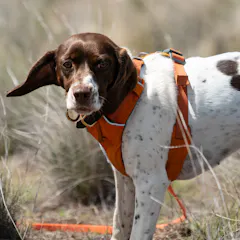
Highly trained canines, Sugar and Moss, are helping protect the critically endangered Victorian grassland earless dragon.
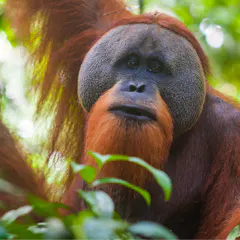
The WWF’s Living Planet Index is one of our best measures of biodiversity loss. But the populations it counts may not be representative of wildlife as a whole.

A new study examines ecosystems and species that are thriving against the odds.
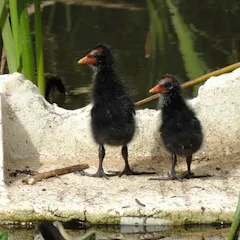
Birds are ingenious when it comes to foraging for nest materials, but in the Anthropocene, this often comes at a cost. Giving them better options is one solution.
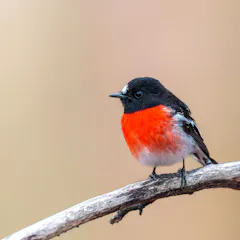
Research suggests all of the world’s songbirds can be traced back to Australia.
Top contributors
-

Professor in Wildlife Ecology and Conservation, School of Life & Environmental Sciences, Deakin University
-
Professor of Conservation Biology, Charles Darwin University
-
Professor in Ecology, Charles Sturt University
-
University Fellow in Biodiversity, Charles Darwin University
-
Professor in Conservation Science, School of the Environment, The University of Queensland
-
Professor, Urban Ecology and Biodiversity, The University of Melbourne; RMIT University
-
Professor in Conservation Science, School of Ecosystem and Forest Science, The University of Melbourne
-
Senior Researcher and Statistician, University of Hohenheim
-
Distinguished Professor of Ecology, Fenner School of Environment and Society, Australian National University
-
Associate Professor, Global Ecology, University of Sydney
-
Principal Lecturer in Wildlife Conservation, Nottingham Trent University
-
Senior Research Associate, School of Agriculture, Food and Ecosystem Sciences, The University of Melbourne
-
Professor of Environmental Management, The University of Queensland
-
Emeritus professor, La Trobe University
-
Research Associate, Department of International Relations, University of the Witwatersrand; Chief Research Officer, Good Governance Africa; Managing Director, Harvey Economics Pty Ltd.