
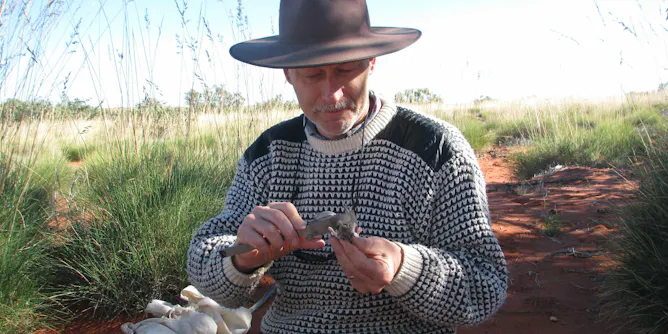
Four ecologists reflect on the distinguished life and career of Chris Dickman.
Articles on Ecology
Displaying 1 - 20 of 546 articles
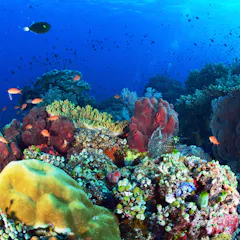
“Climate refugia” plays a key role in ocean conservation by providing safe havens for the biodiversity which underpins the health of our seas.
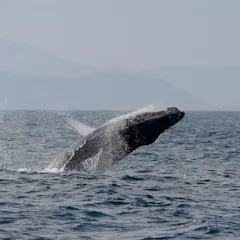
Public responses to the death of Notcho, a humpback whale struck by a BC ferry, reveal how people cope with ecological grief after environmental loss.
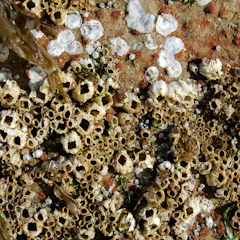
Letting the ordinary become interesting again is a key part of studying natural history and animal behavior.
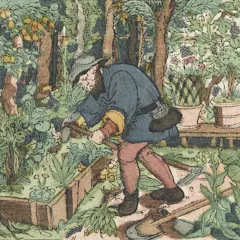
Medieval writings show that monks were early ecologists, caring for the land, and using plants for food and medicines.

Once the preserve of the aristocracy, rabbits became commonplace by the end of the Middle Ages as the world was turned upside down after the arrival of plague.
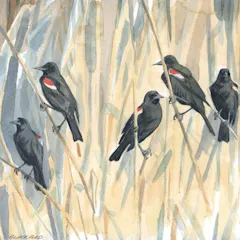
An early clue came from storks found in Europe with African arrows in their bodies. Today, an atlas reveals hundreds of bird migration routes that are both complicated and remarkable.
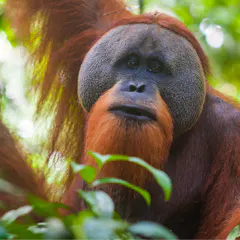
The WWF’s Living Planet Index is one of our best measures of biodiversity loss. But the populations it counts may not be representative of wildlife as a whole.

A new study examines ecosystems and species that are thriving against the odds.
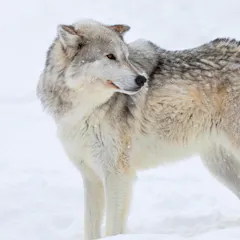
Yellowstone’s reintroduced wolves have become a famous conservation success story, but the reality is far messier.
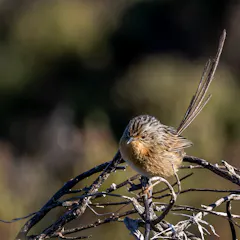
The future of a proposed rocket-launch facility in South Australia is uncertain. But tensions between space exploration and conservation remain.
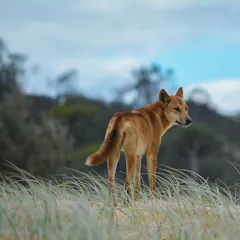
A push is underway to better protect dingoes in NSW national parks. This inquiry will grapple with how to balance conservation and farmer concerns.
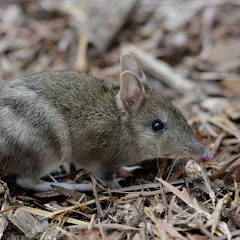
Humans have had a complex relationship with this marsupial, known for its pointy snout, thin tail and large hind feet.
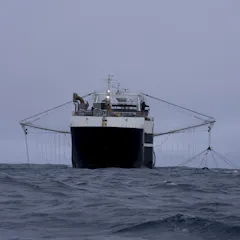
With location regulations no longer in force, fishing boats are harvesting thousands of tons of krill from very few areas, increasing competition with penguins, seals, whales and other marine life.

Microbial ecology helps explain how ecosystems respond to environmental pressures.
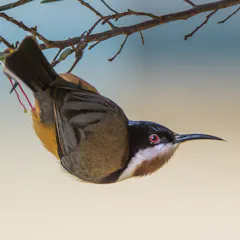
From raucous honeyeaters to top predators, Australia’s birds are vital to nature.
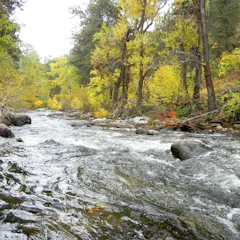
Understanding what happened in these forests 56 million years ago may help humanity recognize similar thresholds before we cross them again, the lead author of a new study writes.
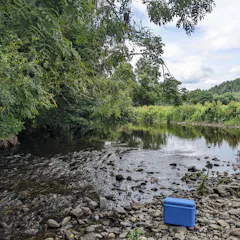
Environmental DNA contained in a small sample of water, sand or even air can reveal the presence of people, wildlife and pathogens, helping researchers track where they’ve migrated.
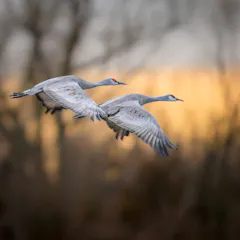
Birds that migrate longer distances are the ones having the most trouble keeping up with climate change.

Involving families, educators, engineers, designers and policymakers in AI development can help ensure the technology does more good than harm.
Top contributors
-

Matthew Flinders Professor of Global Ecology and Node Leader in the ARC Centre of Excellence for Indigenous and Environmental Histories and Futures, Flinders University
-
Professor of Conservation Biology, School of Life and Environmental Sciences, University of Sydney
-
Associate Professor in Entomology, University of Sydney
-
Professor in Wildlife Ecology and Conservation, School of Life & Environmental Sciences, Deakin University
-
Lecturer in the School of Applied Sciences, Edinburgh Napier University
-
Professor in Ecology, Charles Sturt University
-
Senior Research Scientist of Ecology and Evolutionary Biology, University of Connecticut
-
Associate Professor, Ecology, Northumbria University, Newcastle
-
Professor of Biology, Boston University
-
Associate Professor of Wildlife Ecology, University of Florida
-
Assistant Professor of Ecology and Evolutionary Biology, University of Connecticut
-
Professor of Sustainability, Azim Premji University
-
Emeritus Professor of Ecology, University of Salford
-
Professor of Pyrogeography and Fire Science, University of Tasmania
-
Postdoctoral Researcher in Mycology, West Virginia University