

While some invasive animals have breached Antarctica, the continent is still pristine. Our challenge is keeping it that way.
Articles on Invasive species
Displaying 161 - 180 of 391 articles

Shoreline communities are already faltering under the weight of billions of dollars in damages — and worrying that climate change will continue to make things even worse.
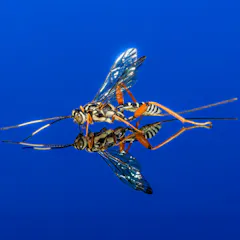
Parasitic wasps are body-snatchers — if you’re an insect. But these much-maligned creatures have saved millions of human lives by controlling the spread of the cassava mealybug.
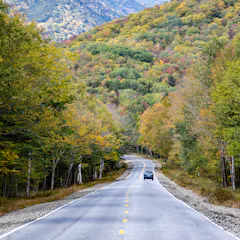
Warm autumn weather has produced dull leaf colors across the eastern US this year, but climate change isn’t the only way that humans have altered trees’ fall displays.

This year’s unprecedented fall armyworm invasion has laid waste to lawns, athletic fields and crops. Is it a fluke? When will it end?
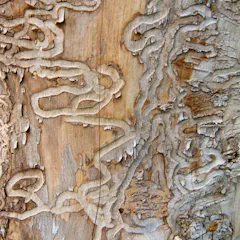
Biological control strategies curb pests using other species that attack the invader. A biologist explains why it can take more than a decade to develop an effective biological control program.
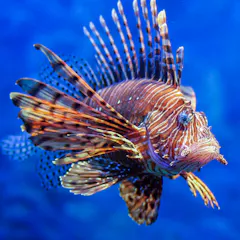
The lionfish has few natural predators, and its venomous spines deter potential predators. But there may still be ways to naturally control the growth of this invader’s population.
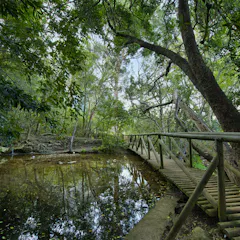
CC BY-NC-ND10.8 MB (download)
The diverse plant collections in botanical gardens increase the chance of pests and pathogens encountering suitable hosts and becoming invasive.
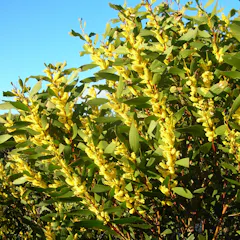
Not all Australian native species belong in all Australian environments. In fact, many Australian plant species have become pests in places far from their original homes. Could some be in your garden?
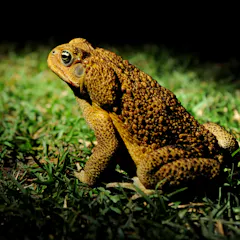
Without urgent action, Australia will continue to lose billions of dollars every year on invasive species.
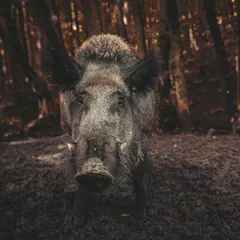
Wild pigs are on every continent, except Antarctica. All up, they likely turn over the the same amount of soil as the area of Taiwan.

Australia’s invasive cane toads may be out-evolving their lungworm parasites.
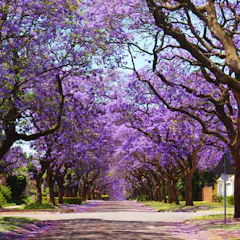
Climate change is causing jacarandas to flower earlier. If this trend continues, they could be at risk of flowering when it’s too cold and become dormant.
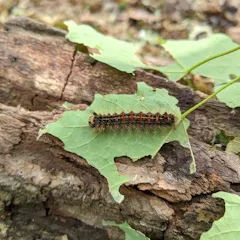
The caterpillar, Lymantria dispar, has eaten through 17,000 square kilometres of trees since the 1980s. The invasive insect was imported in the 1880s to launch a North American silk industry.
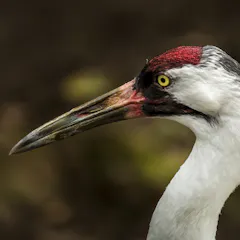
A bewildering array of laws and regulations cover species and ecosystems in Canada, making their protection inadequate.

A greater understanding of interconnectedness created by river maps could influence people to become more engaged with conserving river systems.
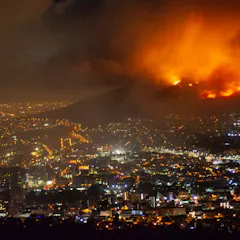
The fynbos vegetation that historically clothed the slopes of Table Mountain is highly inflammable. This has been worsened by the spread of alien trees that burn more intensely than the fynbos.

Technology that can identify stray bits of genetic material in the environment can help scientists monitor human and animal health.
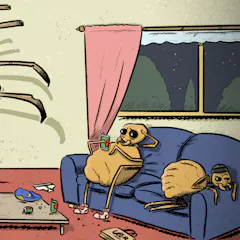
Yellow crazy ants are one of the world’s worst invasive species. And it turns out they have unique systems of reproduction that make life in the queendom more complicated than we realised.
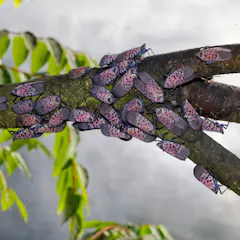
Invasive species have been invading foreign territories for centuries. By quantifying the mammoth economic impacts, we hope political leaders will start to take notice.
Top contributors
-

Professor in Wildlife Ecology and Conservation, School of Life & Environmental Sciences, Deakin University
-
Honorary Research Fellow, University of Sydney
-
Professor in Terrestrial Ecology, Deakin University
-
Professor in Evolutionary Biology, Macquarie University
-
Professor of Wildlife Conservation, University of Tasmania
-
Professor Emeritus in Terrestrial Ecology, University of Sydney
-
Professor in Environmental Science, Charles Darwin University
-
Professeur, UMR ISYEB (Institut de Systématique, Évolution, Biodiversité), Muséum national d’histoire naturelle (MNHN)
-
Director of the Wildlife Crime Research Hub, Australian Research Council Industry Laureate Fellow, Adelaide University
-
Professor of Conservation Biology, Charles Darwin University
-
Associate Professor, Global Ecology, University of Sydney
-
Research Director CSIRO Health & Biosecurity, CSIRO
-
Professor in Zoology, James Cook University
-
Lecturer in the School of Applied Sciences, Edinburgh Napier University
-
Adjunct Professor, The University of Western Australia