
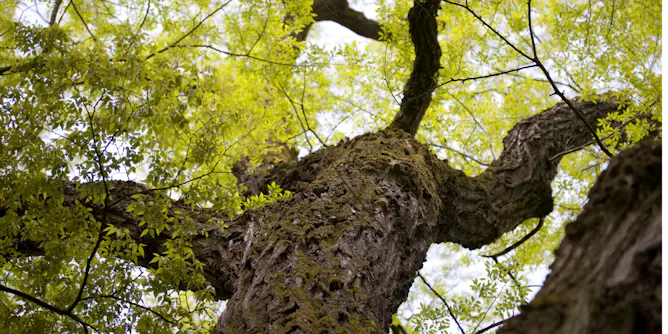
Invasive species are not always harmful; some can even provide key benefits to native habitats in an era of climate change. Canadian conservation efforts should embrace the movement of species.
Articles on Invasive species
Displaying 61 - 80 of 391 articles
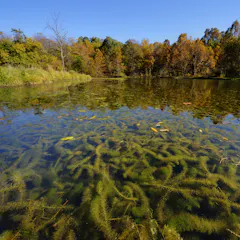
Freshwater ecosystems in Canada, and around the world, are more fragile than they look and vulnerable to invasive species. Canada’s lakes and rivers require constant vigilance to protect from invasion.
Wherever humans set foot, they bring with them invasive exotic species. Some animals and plants that are particularly useful to humans are now found all around the globe.

New research shows how marine debris from continents across the southern hemisphere threatens Antarctica’s remote coastline and unique marine ecosystems. Foreign organisms might be hitching a ride.
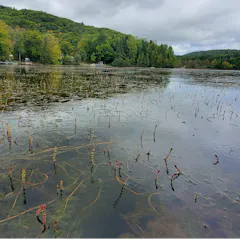
The fight against Eurasian watermilfoil, an invasive aquatic plant in North American lakes, can be long and expensive, so must be carefully planned.
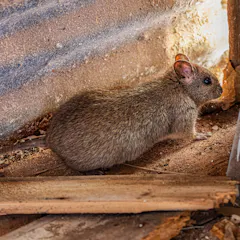
An endangered rodent and a thorny, impenetrable weed doesn’t sound like a good match. But stick-nest rats have made homes out of African boxthorn

With the help of citizen scientists, South African entomologists can work to keep invasive wasp populations from spreading.
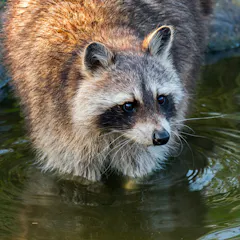
The number of non-native species in Europe will grow by as much as 64% by 2050.
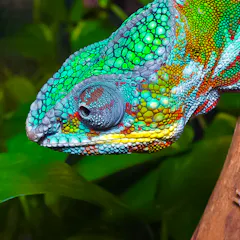
Invasive alien species become much harder and more expensive to manage as they establish and spread through the landscape. So preventing their arrival is vital.
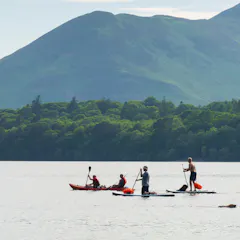
Portable paddleboards can transport unwelcome passengers – here’s how to minimise the risk of spreading invasive and non-native species between waterways.
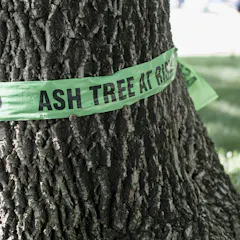
The emerald ash borer is a destructive invasive pest which has killed tens of millions of trees across North America and has now been sighted in Vancouver.
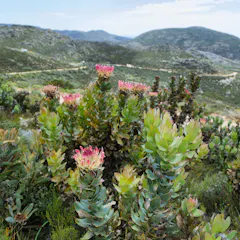
More than 700 million hectares of land in Africa has been degraded by human activity. Everyone can get involved in restoring the ecology.

Not all reparations involve money. Returning unique scientific resources is also a way of showing respect and righting past harms.
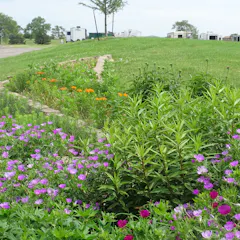
NoMowMay is a catchy concept, but it doesn’t provide the food that native North American pollinators need or lasting support for them.
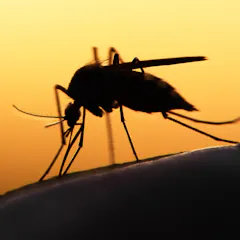
If the needs of both parasites and hosts are met by the niche, they can move in. Increasing biodiversity may therefore be a double-edged sword.
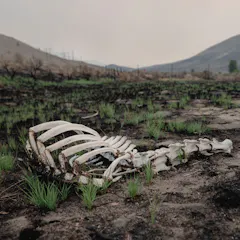
Such massive disruptions have in the past been caused by volcanoes or meteorites. Only humans have done this with full awareness of their actions.
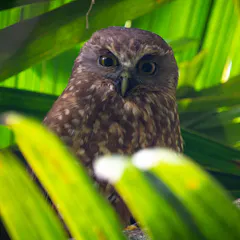
The sad case of the Norfolk Island morepork shows we need a way to control or eradicate invasive rodents without killing native species.
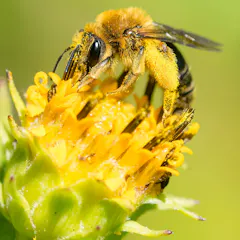
Wild bees face risks from domesticated bees, habitat loss, and climate change. Supporting bee diversity in Ontario is an important component of promoting a healthy environment.
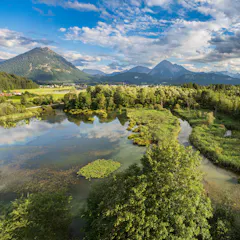
Two-thirds of conservation actions studied were found to benefit target ecosystems and species.
Water lettuce forms dense mats on the water surface. This can reduce light penetration and oxygen levels in the water, negatively affecting all aspects of aquatic life.
Top contributors
-

Professor in Wildlife Ecology and Conservation, School of Life & Environmental Sciences, Deakin University
-
Honorary Research Fellow, University of Sydney
-
Professor in Terrestrial Ecology, Deakin University
-
Professor in Evolutionary Biology, Macquarie University
-
Professor of Wildlife Conservation, University of Tasmania
-
Professor Emeritus in Terrestrial Ecology, University of Sydney
-
Professor in Environmental Science, Charles Darwin University
-
Professeur, UMR ISYEB (Institut de Systématique, Évolution, Biodiversité), Muséum national d’histoire naturelle (MNHN)
-
Director of the Wildlife Crime Research Hub, Australian Research Council Industry Laureate Fellow, Adelaide University
-
Professor of Conservation Biology, Charles Darwin University
-
Associate Professor, Global Ecology, University of Sydney
-
Research Director CSIRO Health & Biosecurity, CSIRO
-
Professor in Zoology, James Cook University
-
Lecturer in the School of Applied Sciences, Edinburgh Napier University
-
Adjunct Professor, The University of Western Australia