
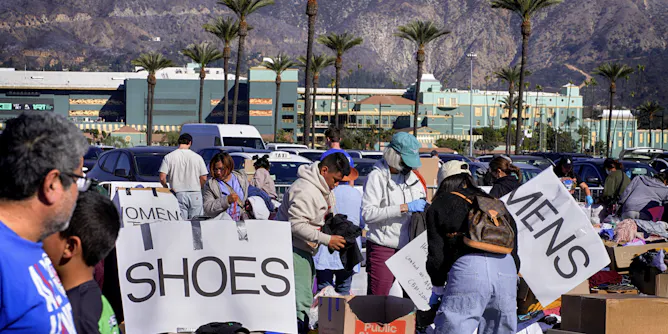
All told, donors gave more than US$397 million to support recovery from the ‘black summer’ bushfire disaster.
Articles on Wildfires
Displaying 161 - 180 of 587 articles
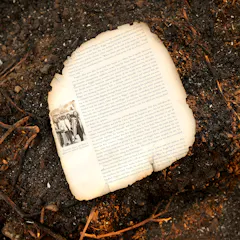
Reading and maintaining a human connection have a vital role to play as extreme events that have long served as the stuff of dystopian fiction simply become a part of everyday life.
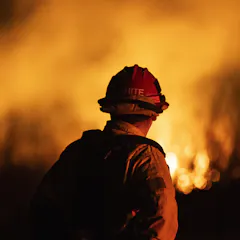
Feelings of sadness or irritability that last a month or more after a life-threatening event could be signs of acute stress or PTSD.
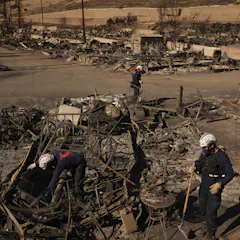
Philosophers explain how our mainstream understanding of ‘home’ is a culturally specific one, and how it could be broadened.
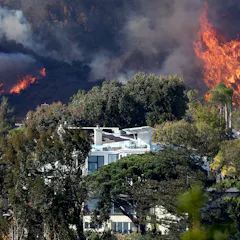
In many parts of the US, Americans must learn to live with fire. That means careful decisions on where homes are built and what’s around them, and allowing more low-risk fires to burn.
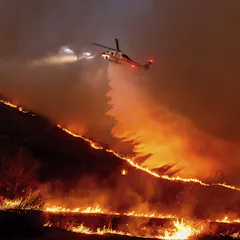
Wildfires can unleash hidden health threats, including promoting the spread of infections.
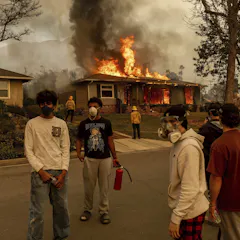
Human bodies aren’t prepared for the toxic chemicals in smoke, and the effects can be harmful in the short term and long term.

The Los Angeles fires may be the most costly natural disaster in US history. An expert on safety, risk reduction and complex systems calls for a blue-ribbon commission to analyze their causes.
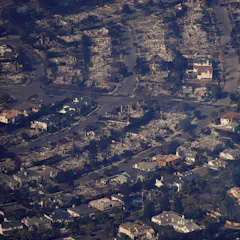
During an emergency event, clear communications are essential for ensuring safety. False alerts, like the one sent out on Jan. 9 in Los Angeles, can contribute to confusion and anxiety.
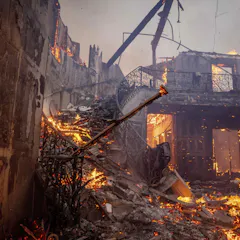
The causes of the wind-driven fires that burned thousands of homes in the Los Angeles area are under investigation, but there were no lightning strikes reported at the time.
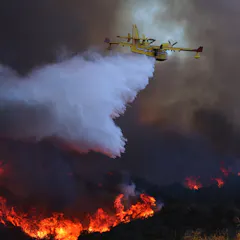
In emergencies, dumping ocean water on fires may be the best option. But seawater can have long-term effects on equipment and ecosystems, as a novel coastal experiment shows.
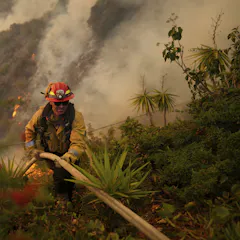
It’s vital to understand how climate drivers played out before and during the LA wildfire emergency – because many Australian cities face the same climate risks.
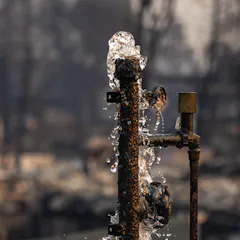
Fires can make drinking water, and the water pipes and tanks themselves, unsafe. A researcher who has worked with communities after several wildfires explains why, and what to do.
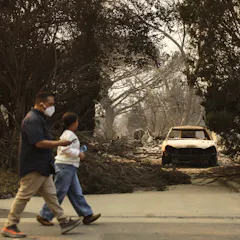
The heath-related impacts of climate change will reach US$1 trillion a year by 2050.
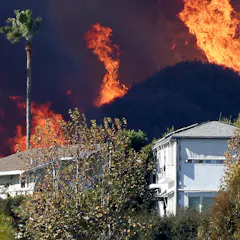
The state is seeing a sharp water divide this year, with lots of rain in the north while the south has stayed dry. A hydrologist explains what’s happening.
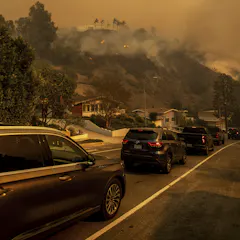
The chemicals emitted when buildings and vehicles burn can find their way into nearby homes. Studies show the health risks can stick around.
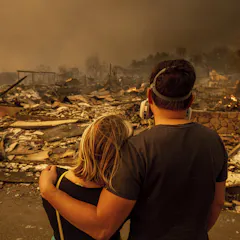
Where people live today also makes a difference when it comes to fire risk.
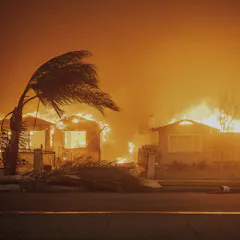
We knew this would happen eventually. We have moved from possible futures to these things now happening. The deferment has ended.
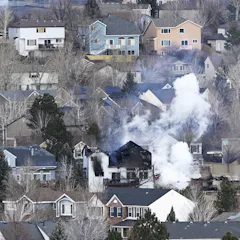
A series of surveys in the months and years after the devastating blaze near Boulder revealed continuing health concerns in surviving buildings, and tips for how to clean up smoke-damaged homes.
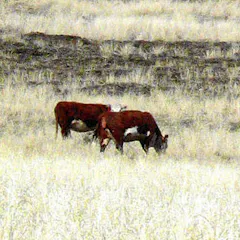
That delay can tip ranchers’ finances into the red. While the land needs time to recover, studies raise questions about whether two years is really necessary.
Top contributors
-

Professor of Pyrogeography and Fire Science, University of Tasmania
-
Associate Professor of Civil Engineering, Boise State University; United Nations University
-
Professor of Civil, Environmental and Ecological Engineering, Purdue University
-
Professor of Geography and Director of the Centre for Wildfire Research, Swansea University
-
Professor of Engineering, University of California, Merced
-
Assistant Professor of Environmental and Radiological Health Sciences, Colorado State University
-
Fellow, Queen's Institute for Energy and Environmental Policy, School of Policy Studies, Queen's University, Ontario
-
Tenured Scientist (IMB-CSIC, Spain) & Honorary Associate Prof. (SU, UK), Swansea University
-
Wildfire Specialist, University of California Cooperative Extension; Adjunct Professor at the Bren School, University of California at Santa Barbara, University of California, Santa Barbara
-
Emeritus Professor of Life Sciences, Arizona State University
-
Professor of Geology and Environmental Geosciences, University of Dayton
-
Professor, Disaster & Emergency Management, Faculty of Liberal Arts & Professional Studies & Director, CIFAL York, York University, Canada
-
Professor of Fire Ecology, University of Montana
-
Research Fellow in Environmental Science, University of Tasmania
-
Reader in Cultural Geography and Communication, University of Westminster