
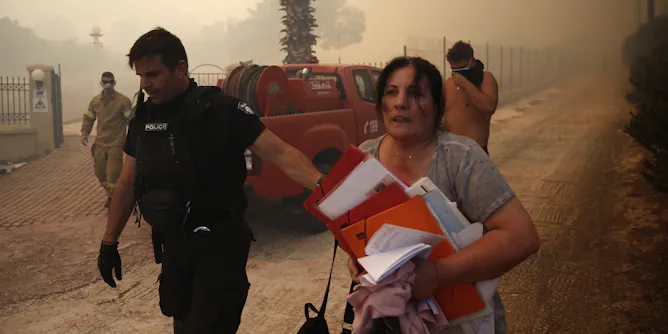
Evacuations are often presented as purely protective – and sometimes they are. But they can also exacerbate existing risks and even generate new forms of harm.
Articles on Wildfires
Displaying 1 - 20 of 586 articles
The 2026 wildfires in Indonesia destroyed carbon reserves formed over the last thousands of years. Recovery will take hundreds of years.

Timing matters: planting fodder radish in the right months can help South African farmers grow more nutritious livestock feed even without irrigation.

How the ‘super’ El Niño could trigger a polycrisis: interconnected failures that neither the energy system nor the health-care system can prepare for alone.
Dry land and little snow helped fuel a destructive 2026 fire season. New research shows active fire seasons are becoming the norm, and communities need to prepare.

New research estimates how climate change will influence the economic costs of Canadian wildfires.
An intense drought is the match. Decades of deforestation and peat draining provide the fuel.

The response to a mass-casualty event does not play out in an otherwise empty health-care system. It competes with everyday care for staff, beds, transport and supplies.
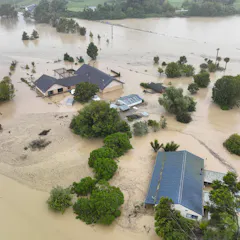
A new report shows New Zealand faces a future of more frequent extreme droughts, heatwaves, floods and fires, with inevitable losses of infrastructure and property.
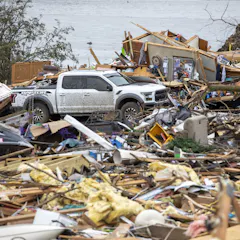
In communities across America, people recovering from floods, storms and wildfires have been left waiting much longer for federal aid – if it arrives at all.
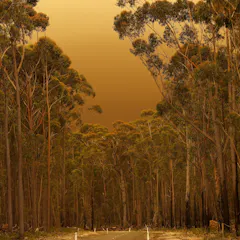
For more than 800 years, frequent cultural burning kept this land as stable, open woodland.

Wildfires are a growing issue in the UK, with incidents escalating in 2026.
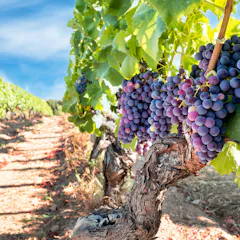
Renowned wine regions from Australia to South Africa are battling increasingly fierce fire seasons.

Wildfire strategy tends to break into three distinct camps today, each focusing heavily on one approach over the others. Successful management requires them all.

As storms, wildfires, and floods strike in ever-closer succession, an architect with disaster risk science expertise explains why resilience is built between hazards, not during them.
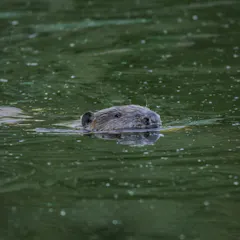
A pilot scheme reintroducing beavers has created a green, wet corridor which could be valuable during hot, dry summers.
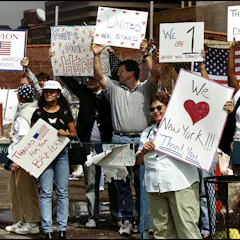
Decades of disaster research show how catastrophes strain communities – and reveal the connections that help people endure.
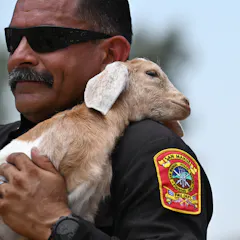
Targeted grazing is gaining interest as fire risk rises, particularly in hard-to-manage areas of the Western US. But it isn’t always as simple as it seems.
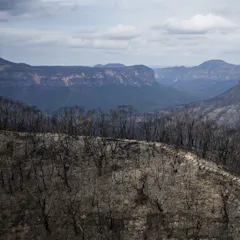
Heavy rains after the Black Summer megafires drove rapid regrowth of plants. But these signs of recovery can hide the true story.
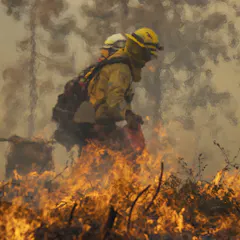
Wildland firefighters face heat from the environment, the fire and their own bodies as they work long, exhausting hours. The head of Purdue’s fire lab explains the health risks and what can help.
Top contributors
-

Professor of Pyrogeography and Fire Science, University of Tasmania
-
Associate Professor of Civil Engineering, Boise State University; United Nations University
-
Professor of Civil, Environmental and Ecological Engineering, Purdue University
-
Professor of Geography and Director of the Centre for Wildfire Research, Swansea University
-
Professor of Engineering, University of California, Merced
-
Assistant Professor of Environmental and Radiological Health Sciences, Colorado State University
-
Fellow, Queen's Institute for Energy and Environmental Policy, School of Policy Studies, Queen's University, Ontario
-
Tenured Scientist (IMB-CSIC, Spain) & Honorary Associate Prof. (SU, UK), Swansea University
-
Wildfire Specialist, University of California Cooperative Extension; Adjunct Professor at the Bren School, University of California at Santa Barbara, University of California, Santa Barbara
-
Emeritus Professor of Life Sciences, Arizona State University
-
Professor of Geology and Environmental Geosciences, University of Dayton
-
Professor, Disaster & Emergency Management, Faculty of Liberal Arts & Professional Studies & Director, CIFAL York, York University, Canada
-
Professor of Fire Ecology, University of Montana
-
Research Fellow in Environmental Science, University of Tasmania
-
Reader in Cultural Geography and Communication, University of Westminster