
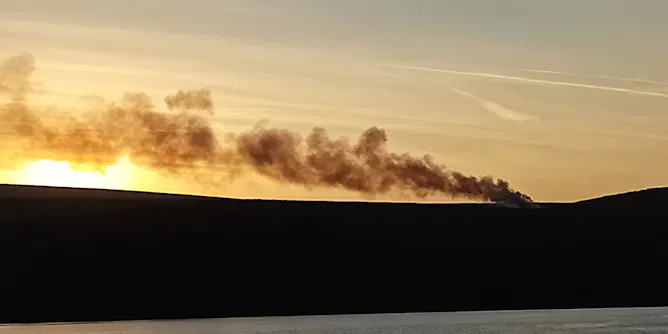
How a new monitoring system improves fire detections and captures the air pollution effects of planned peatland burns.
Articles on Wildfires
Displaying 121 - 140 of 587 articles
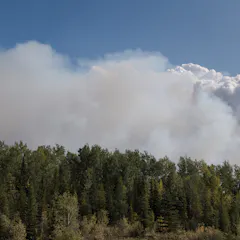
As global temperatures rise, wildfires are advancing further north. Many of them burn through peat, which contains massive amounts of carbon.
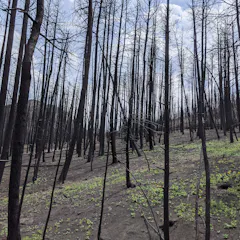
Scientists analyzed water quality in 145 watersheds after wildfires and found dramatic spikes in contaminants.

Mark Carney has the chance to differentiate Canada from the U.S. and demonstrate his leadership on climate. Instead, at the G7 summit and beyond, he seems to have abandoned his climate principles.

Wildfire smoke doesn’t just darken the skies — it harms the brain, especially in those most vulnerable.

As climate change leads to more extreme weather, temporary climate displacement could become permanent migration.
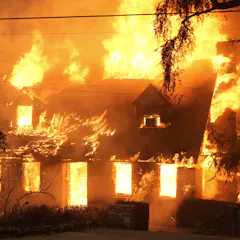
As built-up areas encroach on natural ones, we need new strategies for dealing with the impact of wildfires on buildings and communities.
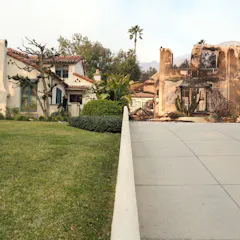
Hedges and trees may actually reduce home exposure to radiant heat and flying embers, but they must be well maintained. Two scientists who study how plants burn explain.
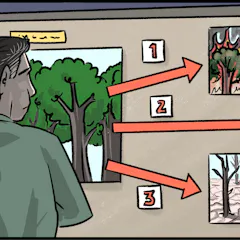
Park and forest managers can’t rely on the past any longer to understand future risks. Fires, pests and climate change are changing the game.
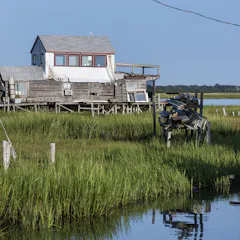
The administration wants to cut funding for programs that help communities adapt to wildfire risk, sea-level rise and invasive species, among many other risks.
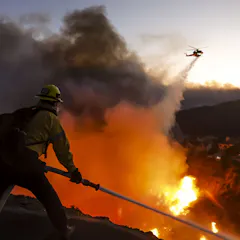
Fire seasons on both sides of the Pacific overlap for seven weeks a year – and changes in Australia’s climate are driving the problem.
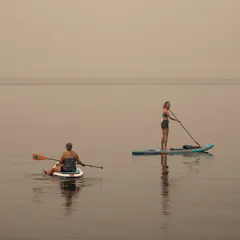
Exposure to either wildfire smoke or extreme heat poses a significant threat to health. When they occur together, it may amplify the health risks of exposure.
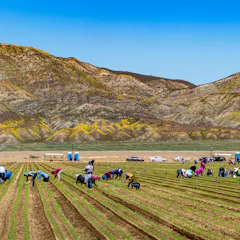
A prolonged drought in the San Luis Valley has contributed to kidney issues in agricultural workers.
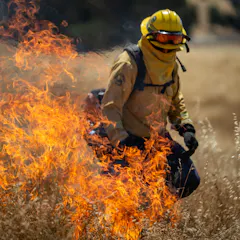
Uncertainty from Washington along with staff and budget cuts have created turmoil for the US Forest Service’s fire management efforts.

The LA wildfires may have faded from the headlines, but for thousands of children, recovery is only just beginning.
Public safety shutoffs are becoming routine in fire-prone areas. But when the grid goes down, so do digital transactions.

The atmosphere now has the highest carbon dioxide levels in the last 800,000 years – and global heat records have toppled yet again. Coincidence? Of course not
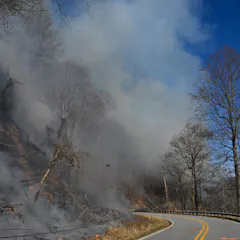
Fires are a natural part of the landscape and essential for many species. But scores of fires at once were more than anyone bargained for.

By pinpointing Canada’s most vulnerable regions, targeted wildfire prevention strategies can be carried out.
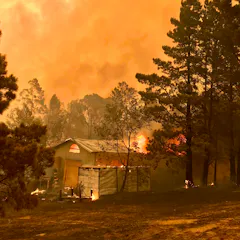
Older homes are more at risk from bushfires. Retrofitting can make your house more likely to weather a fire.
Top contributors
-

Professor of Pyrogeography and Fire Science, University of Tasmania
-
Associate Professor of Civil Engineering, Boise State University; United Nations University
-
Professor of Civil, Environmental and Ecological Engineering, Purdue University
-
Professor of Geography and Director of the Centre for Wildfire Research, Swansea University
-
Professor of Engineering, University of California, Merced
-
Assistant Professor of Environmental and Radiological Health Sciences, Colorado State University
-
Fellow, Queen's Institute for Energy and Environmental Policy, School of Policy Studies, Queen's University, Ontario
-
Tenured Scientist (IMB-CSIC, Spain) & Honorary Associate Prof. (SU, UK), Swansea University
-
Wildfire Specialist, University of California Cooperative Extension; Adjunct Professor at the Bren School, University of California at Santa Barbara, University of California, Santa Barbara
-
Emeritus Professor of Life Sciences, Arizona State University
-
Professor of Geology and Environmental Geosciences, University of Dayton
-
Professor, Disaster & Emergency Management, Faculty of Liberal Arts & Professional Studies & Director, CIFAL York, York University, Canada
-
Professor of Fire Ecology, University of Montana
-
Research Fellow in Environmental Science, University of Tasmania
-
Reader in Cultural Geography and Communication, University of Westminster