
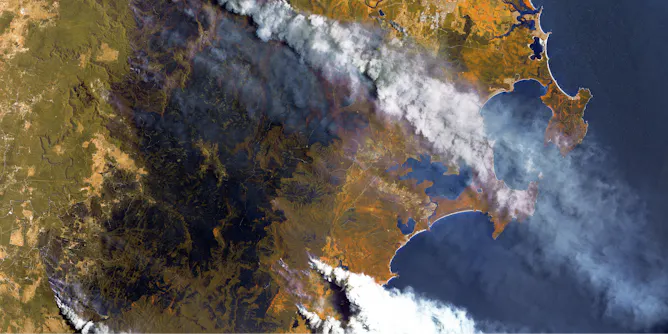
We compiled maps of bushfires and prescribed burns in southern Australia from 1980 to 2021 to see how fire activity is changing habitat for 129 threatened species such as mountain pygmy possums.
Articles on Wildfires
Displaying 221 - 240 of 587 articles

In the lead-up to the 2024 federal budget, there was hope for investments in water management and water-related infrastructure. Those hopes were misplaced.
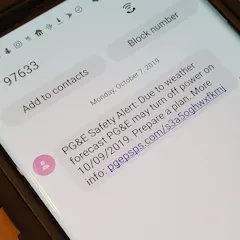
Turning off power is a last-ditch strategy for utilities to reduce the risk that their systems could spark wildfires. In most states, deciding whether to take that step is up to utilities.
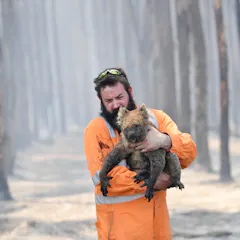
Marsupial rescue, rehabilitation and release statistics from New South Wales and Kangaroo Island during Black Summer fires reveal poor survival rates, despite the courageous efforts of volunteers.

A new study offers a rare window into the hidden effects of aggressive fire suppression that go beyond fuel accumulation. The practice may even change the course of forest evolution.
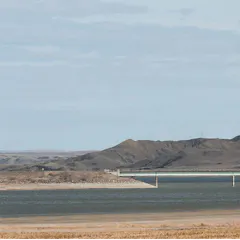
Declining precipitation, climate change and governance failures will drive water flow scarcity in 2024 with serious implications across Western Canada.
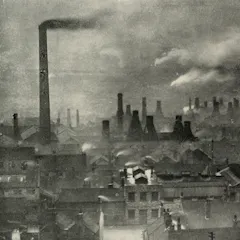
Scientists have been debating the start of the Anthropocene Epoch for 15 years. I was part of those discussions, and I agree with the vote rejecting it.

Australia’s approach to estimating bushfire emissions is credible and sophisticated. But it must be refined as technology improves and the climate changes.
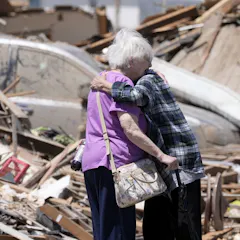
Census data and research show all things are not equal in disaster displacement, as two experts in disaster recovery explain.
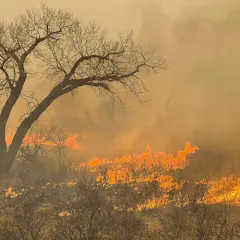
The state’s largest wildfire on record tore across the heart of Texas cattle country, and more days of strong winds were forecast. A rangeland ecologist explains why the flames spread so fast.
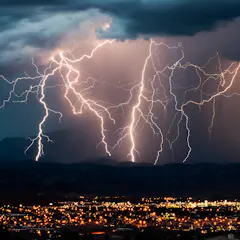
A new study shows how often lightning strikes and how it behaves, often hitting the ground with multiple strikes from the same flash.
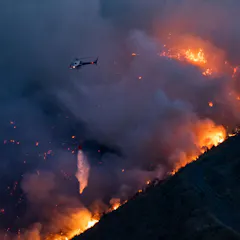
The recent Port Hills fires highlight the increasing wildfire risks caused by climate change. Reducing the threat is going to take a shift in strategy, investment and community engagement.
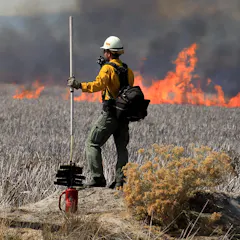
A hot, dry summer on the heels of a wet winter raises the risk of wildfires.
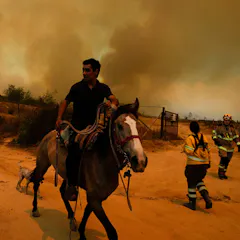
This was no ‘natural disaster’. There are lessons to learn from areas that survived the fires.
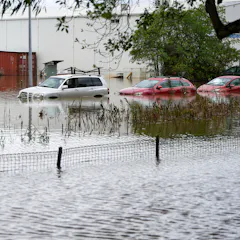
The impacts of record heat on the global water cycle were severe and wide-ranging – and the trend will continue in 2024.
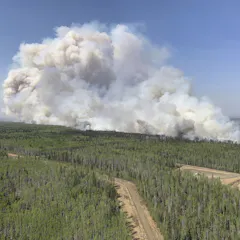
Current greenhouse gas inventories in Canada only consider “managed” lands. This must change before we can truly understand the scale of Canada’s carbon emissions.
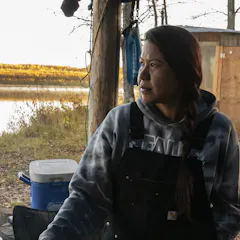
The early heat melted snow and warmed rivers, heating up the land and downstream ocean areas. The effects harmed salmon fisheries, melted sea ice and fueled widespread fires.

A recent study found one billion people are likely to die prematurely by the end of the century from climate change. Here are seven energy policies that could save their lives.
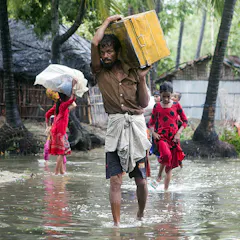
We rarely see good news headlines when a cyclone, earthquake or wildfire does not turn disastrous.

News about the growing ecological crisis may cause people to feel grief and fear. It is understandable to seek relief from these feelings and look for good news. But what if grief is the good news?
Top contributors
-

Professor of Pyrogeography and Fire Science, University of Tasmania
-
Associate Professor of Civil Engineering, Boise State University; United Nations University
-
Professor of Civil, Environmental and Ecological Engineering, Purdue University
-
Professor of Geography and Director of the Centre for Wildfire Research, Swansea University
-
Professor of Engineering, University of California, Merced
-
Assistant Professor of Environmental and Radiological Health Sciences, Colorado State University
-
Fellow, Queen's Institute for Energy and Environmental Policy, School of Policy Studies, Queen's University, Ontario
-
Tenured Scientist (IMB-CSIC, Spain) & Honorary Associate Prof. (SU, UK), Swansea University
-
Wildfire Specialist, University of California Cooperative Extension; Adjunct Professor at the Bren School, University of California at Santa Barbara, University of California, Santa Barbara
-
Emeritus Professor of Life Sciences, Arizona State University
-
Professor of Geology and Environmental Geosciences, University of Dayton
-
Professor, Disaster & Emergency Management, Faculty of Liberal Arts & Professional Studies & Director, CIFAL York, York University, Canada
-
Professor of Fire Ecology, University of Montana
-
Research Fellow in Environmental Science, University of Tasmania
-
Reader in Cultural Geography and Communication, University of Westminster