
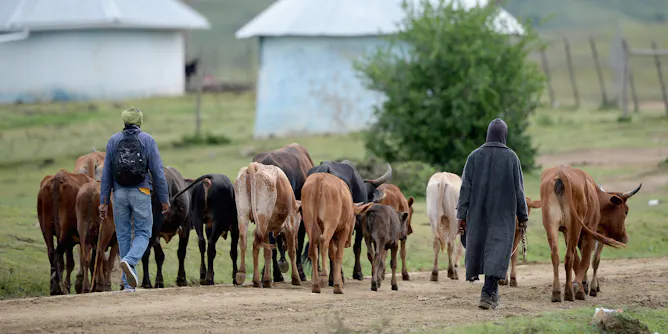
Smallholder farmers have time to set up shared shady areas with water and feed for livestock that might die in the Super El Niño – if they get support now.
Articles on Drought
Displaying 1 - 20 of 766 articles
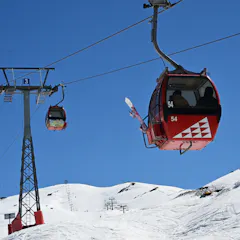
What happens on the slopes in Chile holds clues for the western US snow season. But all that precipitation can also bring trouble.

Fewer British farmers could stop planting potatoes as prices are constantly in flux. Difficult weather conditions are part of the problem.

Timing matters: planting fodder radish in the right months can help South African farmers grow more nutritious livestock feed even without irrigation.

Digital choices have huge environmental costs but these are rarely counted up.
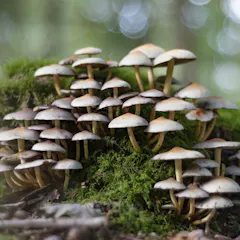
Some fungi are having an abundant year, but other types are struggling because of dry summer weather.
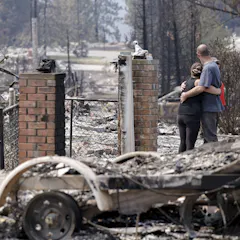
Dry land and little snow helped fuel a destructive 2026 fire season. New research shows active fire seasons are becoming the norm, and communities need to prepare.
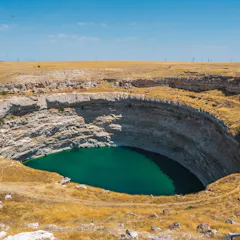
As Turkey prepares to host Cop31, the massive global conference on environmental issues, it is also being confronted with a dangerous sinkhole problem.
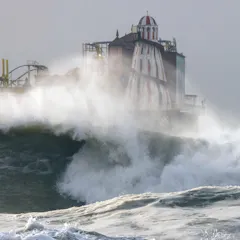
A dry winter could have a huge impact on England’s ability to recover from drought.
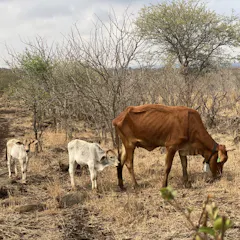
Drought is likely to reduce the total number of livestock southern Africa can support, and increase inequality among pastoralists.

Rain does not necessarily resolve drought-related issues. In some soils, rewetting can disrupt the foundations of buildings.
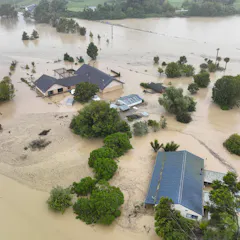
A new report shows New Zealand faces a future of more frequent extreme droughts, heatwaves, floods and fires, with inevitable losses of infrastructure and property.
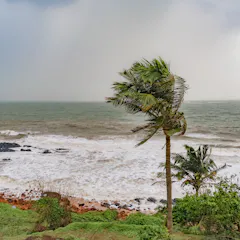
The El Niño climate pattern has long influenced weather across the globe.
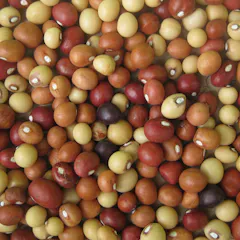
Using daily weather instead of seasonal averages, researchers mapped where and when to plant bambara groundnut in Eswatini and South Africa.
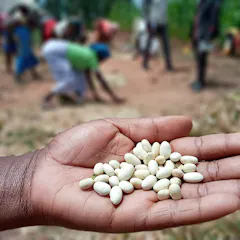
A super El Niño could spell disaster for southern Africa’s bean farmers. Better seeds, water storage and early warnings could help protect the next harvest.

To survive dry spells, trees stop the water-rich process of photosynthesis. When nature’s natural carbon capture machine grinds to a halt entire forests end up producing more CO₂ than they absorb.

The grass is greener, but surface improvements tell only part of the story.

Playing out year over year, the chaotic cycle of drought crises has become a familiar experience for British Columbians.
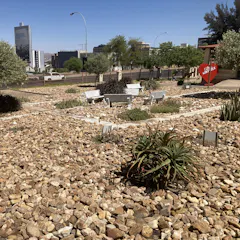
New research shows how Windhoek’s ‘Brown is Beautiful’ approach could use its dry landscape to protect the city from heat, drought and floods.
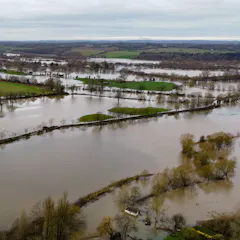
We have built the system to shed much of the surplus rather than keep it. We allow a wet winter to rush away, then ration what remains through a dry summer.
Top contributors
-

ARC Future Fellow and Associate Professor in Climate Science, ARC Centre of Excellence for 21st Century Weather, The University of Melbourne
-
Professor, Water and Landscape Dynamics, Fenner School of Environment & Society, Australian National University
-
Adjunct Professor (Practice) in the School of Earth, Atmosphere and Environment, Monash University
-
Professorial Fellow, University of Canberra
-
Regents Professor Emeritus and Morris K. Udall Professor of Law & Public Policy Emeritus, University of Arizona
-
Climate Scientist, Australian Bureau of Meteorology
-
Climate scientist, Australian Bureau of Meteorology
-
Associate Professor in Environmental Science, Western Sydney University
-
Climate Scientist, Australian Bureau of Meteorology
-
Lecturer, School of Agriculture, Food and Ecosystem Sciences, The University of Melbourne
-
Associate Professor of Civil Engineering, Boise State University; United Nations University
-
Professor of Physical Geography, University of the Witwatersrand
-
Regius Professor of Meteorology and Climate Science, University of Reading
-
Visiting Adjunct Professor, School of Governance, University of the Witwatersrand
-
Senior Climatologist, Australian Bureau of Meteorology