
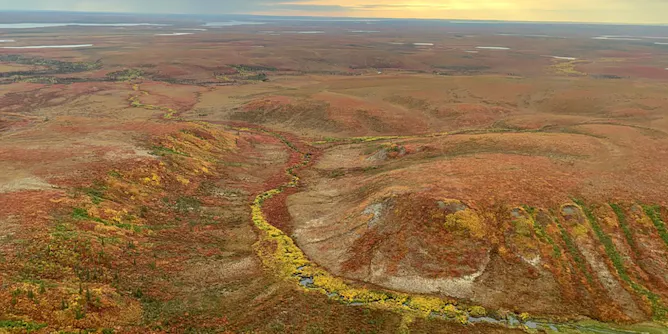
Peatlands play an outsized role in filtering water and mitigating floods, drought and wildfire — and they store twice as much carbon as all the world’s forests.
Articles on Wildfires
Displaying 381 - 400 of 587 articles
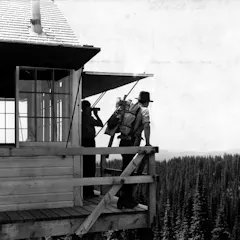
The US has learned that it cannot suppress its way to a healthy relationship with fire in the West. That strategy failed, even before climate change proved it to be no strategy at all.

When a disaster strikes, you may be stuck for days without power or safe running water. Or you might only have time to grab a bag and go.
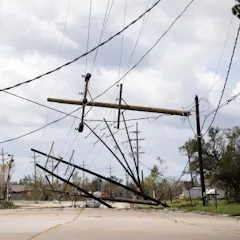
Building even more power poles and transmission lines won’t avert outages when major disasters strike.
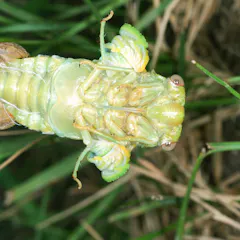
The Massif des Maures was devastated by fires this year, but the region’s hardy cicadas continued to sing thanks to their unique survival methods.
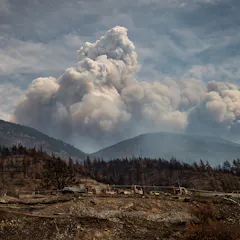
76 per cent of Canadians say environmental policy and sustainability is a priority when considering where to live.
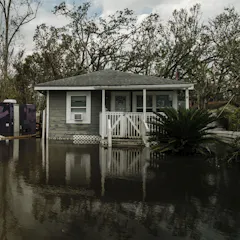
Rapid attribution studies reveal climate change’s influence on the weather, but they’re expensive and time-consuming.
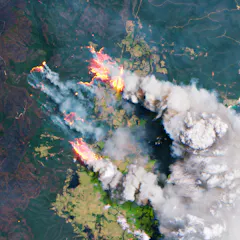
This enormous, unprecedented algal bloom could have profound implications for carbon dioxide levels in the atmosphere and for the marine ecosystem.
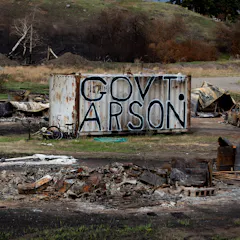
Canadians are faced with an unwanted election that’s placed climate progress at unnecessary risk.
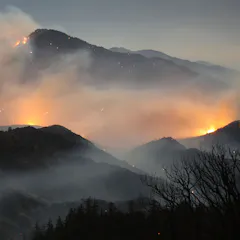
As the risk of fires rises in areas once considered too wet to burn, it creates hazards for mountain communities and for downstream water supplies.
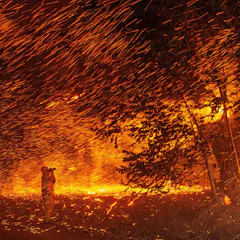
A fire scientist explains the risk of flying embers that can travel over a mile from a wildfire and how people can protect their homes.
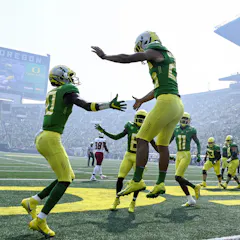
It might be time to reschedule football season. With rising temperatures, poorer air quality and a worsening hurricane season, climate change threatens the future of the American sport.
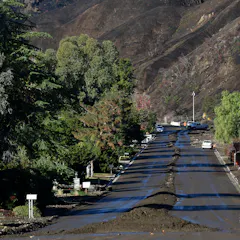
An atmospheric scientist and sailplane pilot describes why large areas of burned land can produce clouds and rainstorms.
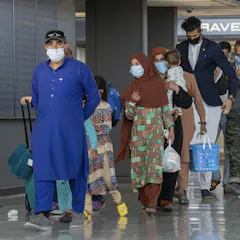
Needs will continue in Haiti and New Orleans – and for Afghan refugees – long past the point when most donors will have found new priorities.
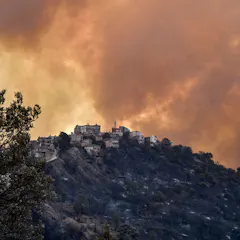
With a massive territory to manage, all actions taken - to prevent, to detect and to fire fight - aren’t enough.
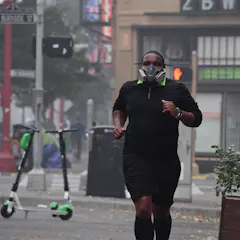
To stay healthy, it’s important to understand how wildfire smoke can harm your body and how to protect yourself.
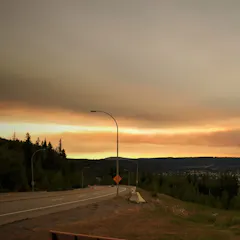
Smoke has long cast shadows across the skies in the northern hemisphere. Our aversion to smoke has influenced the way we’re willing to deal with the rising risk of wildfires.
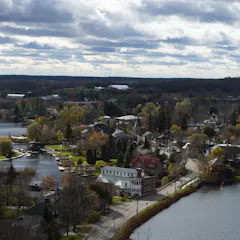
Whether Canada is able to address the most pressing challenges of the next several generations requires the full participation and support of rural people and places.
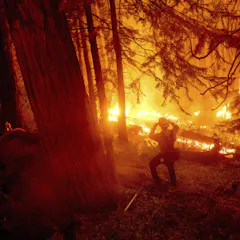
Not all forests respond to hotter and drier conditions in the same way.
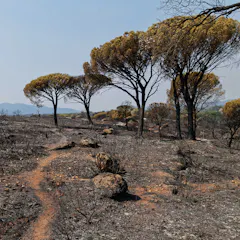
The ecological cost of the deadly fires in southern France will be enormous. Scientists and residents will have to find a way to rebuild together.
Top contributors
-

Professor of Pyrogeography and Fire Science, University of Tasmania
-
Associate Professor of Civil Engineering, Boise State University; United Nations University
-
Professor of Civil, Environmental and Ecological Engineering, Purdue University
-
Professor of Geography and Director of the Centre for Wildfire Research, Swansea University
-
Professor of Engineering, University of California, Merced
-
Assistant Professor of Environmental and Radiological Health Sciences, Colorado State University
-
Fellow, Queen's Institute for Energy and Environmental Policy, School of Policy Studies, Queen's University, Ontario
-
Tenured Scientist (IMB-CSIC, Spain) & Honorary Associate Prof. (SU, UK), Swansea University
-
Wildfire Specialist, University of California Cooperative Extension; Adjunct Professor at the Bren School, University of California at Santa Barbara, University of California, Santa Barbara
-
Emeritus Professor of Life Sciences, Arizona State University
-
Professor of Geology and Environmental Geosciences, University of Dayton
-
Professor, Disaster & Emergency Management, Faculty of Liberal Arts & Professional Studies & Director, CIFAL York, York University, Canada
-
Professor of Fire Ecology, University of Montana
-
Research Fellow in Environmental Science, University of Tasmania
-
Reader in Cultural Geography and Communication, University of Westminster