
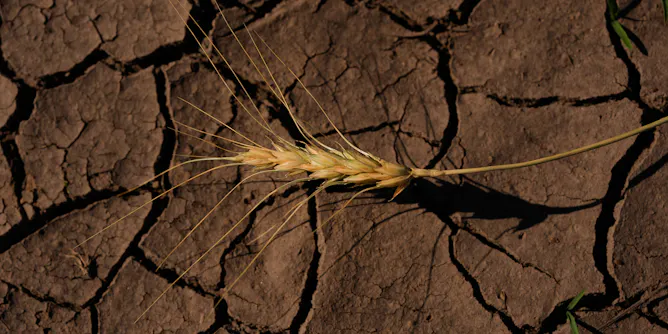
The Trump administration has retired several key websites that scientists and businesses alike have used to track weather events.
Articles on Extreme weather
Displaying 1 - 20 of 729 articles
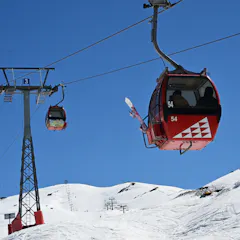
What happens on the slopes in Chile holds clues for the western US snow season. But all that precipitation can also bring trouble.
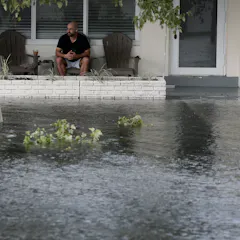
More than a foot of rain flooded streets in the already saturated region in mid-November 2026, with more forecast in the days ahead.
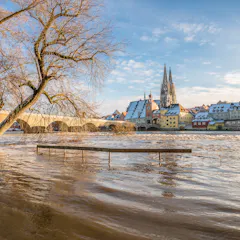
At international climate negotiations, adaptation is traditionally framed as something wealthy countries finance and poorer countries need.
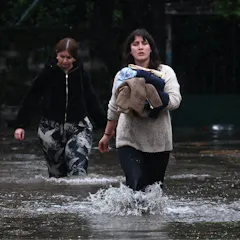
Weather warnings can help save lives by providing advice people can act on before, during and after a disaster.
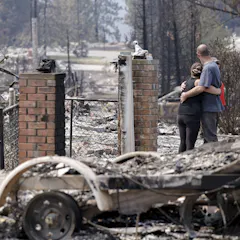
Dry land and little snow helped fuel a destructive 2026 fire season. New research shows active fire seasons are becoming the norm, and communities need to prepare.
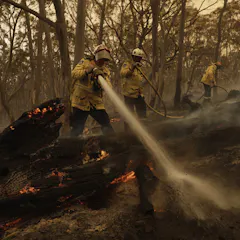
Residents often actively build their own informal information networks to help keep each other safe.
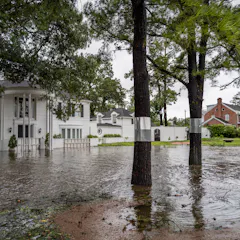
Your home’s true flood risk is far more complex than FEMA flood maps reflect.
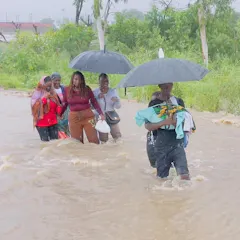
Climate change is an immediate threat to the world’s most vulnerable communities and people.
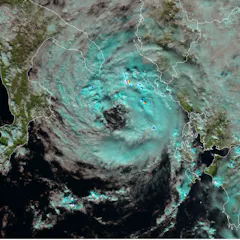
Rising water and air temperatures are transforming the climate on Spain’s Mediterranean coast.
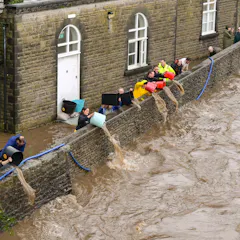
People are increasingly urged to become resilient to flooding. Yet many question whether this shifts responsibility from institutions to residents.
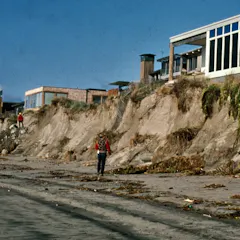
The destructive 1982-83 El Niño, then the strongest on record, eroded cliffs, leaving homes hanging precariously over the edges. A coastal scientist explains the escalating risks.
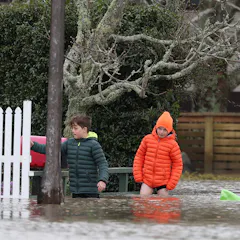
By running hundreds of climate simulations much faster than conventional models, AI can deliver better regional projections of what communities need to prepare for.
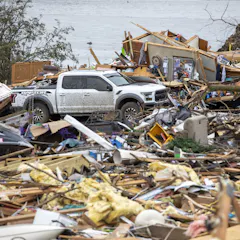
In communities across America, people recovering from floods, storms and wildfires have been left waiting much longer for federal aid – if it arrives at all.
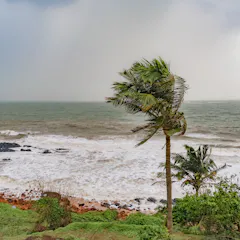
The El Niño climate pattern has long influenced weather across the globe.
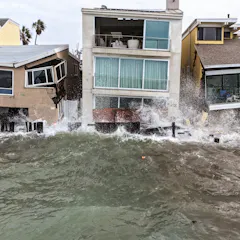
Tropical storms rarely survive in the cool water off California, but waves from storms far to the south can still damaged coastal areas. And flooding rain can sweep in.
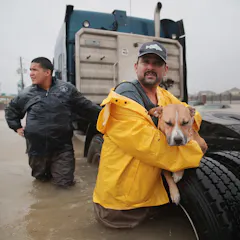
Storms big and small can produce a lot of rain. What matters most is how fast they’re moving, as an atmospheric scientist and educator explains.
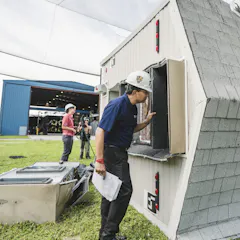
Engineers are using a unique test facility called the Wall of Wind to develop housing that’s both affordable and disaster-resistant. Their tests show the magnitude of the challenge.
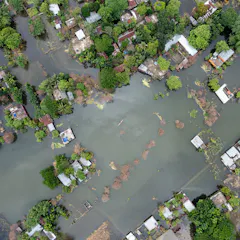
It’s increasingly common to hear climate-fuelled disasters described as the ‘new normal’. But our desire for normality and predictability is wishful thinking

Holiday destinations in northern Europe saw a boost in tourist numbers this summer, but for some this throws up new problems.
Top contributors
-

ARC Future Fellow and Associate Professor in Climate Science, ARC Centre of Excellence for 21st Century Weather, The University of Melbourne
-
Adjunct Professor of Environmental Geography, CQUniversity Australia
-
Professor of Climate Science, UMass Lowell
-
Principal Research Scientist in Extreme Weather, The University of Melbourne
-
Regius Professor of Meteorology and Climate Science, University of Reading
-
Professor of Economics and Environmental Studies, Wesleyan University
-
Associate Professor of Landscape Architecture and Urban Planning, Texas A&M University
-
Professor of Geology and Environmental Geosciences, University of Dayton
-
Atmospheric Science Educator, Georgia Institute of Technology
-
Professor of Atmospheric Sciences, Climate Change Research Centre, UNSW
-
Honorary Associate Professor of Climate Science, The University of Melbourne
-
Professor Emeritus in Climate Science, The University of Melbourne
-
Director, ANU Institute for Climate, Energy & Disaster Solutions, Australian National University
-
Meteorologist and Research Program Manager, University of Wisconsin-Madison
-
Senior Lecturer in Climate Science, Imperial College London