
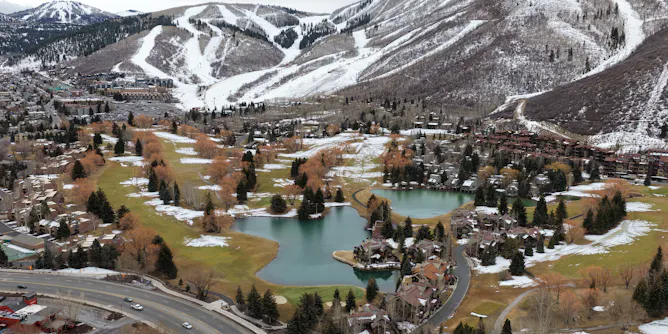
The 2026 water year has been anything but ordinary. In fact, its snow drought has few parallels in recent history.
Articles on Wildfires
Displaying 81 - 100 of 587 articles
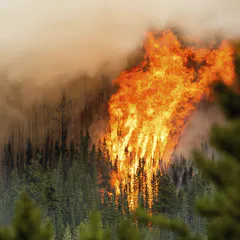
Wildfires disproportionately impact Indigenous communities. Over the last four decades, 42 per cent of wildfire evacuations across Canada have been of Indigenous communities.
Solar cycles, sea ice and rising electricity use all play a role. So does an unhealthy surprise that has been quietly hiding a large amount of global warming – until now.

For decades, wilderness lands have been left largely unaltered by human activity. But those places are still changing, and keeping them wild and special may require action, not inaction.
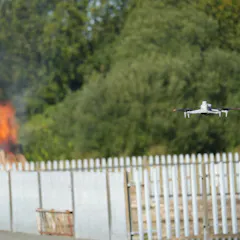
Inspired by the behaviour of flocks of birds, swarm intelligence is being used in drones to tackle the growing threat of wildfires.

At the same time, Americans have been facing worsening storms, wildfires and deadly heat waves.
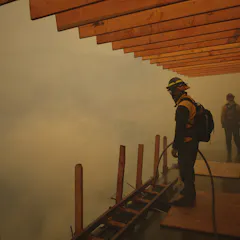
When cities burn, plastics, electronics, cleaning chemicals and much more create a toxic brew. Studies launched during the LA fires a year ago show exposure is often strongest inside homes.
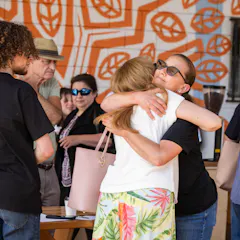
Managing fire risk is about more than regulations and rules. It’s also about caring for neighbors and taking steps on your own property and in your community to help keep neighbors safe.
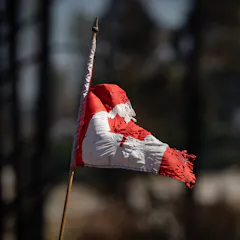
Climate misinformation is undermining emergency response during crises. Canadian governments need to develop co-ordinated efforts to tackle it.
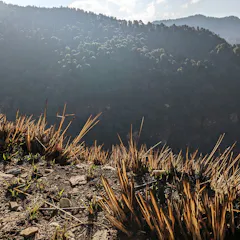
Traditional burning in Uttarakhand shows how communities live with fire, yet what they do is often misinterpreted as dangerous.
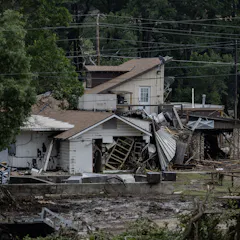
Priced out of ‘safe,’ more and more Americans are moving to flood plains and fire zones.
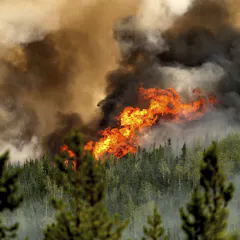
Canadians faces a growing safety crisis yet they remain unprepared. The real danger is complacency.
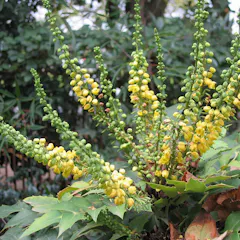
The people who manage America’s aquifers, wetlands, shorelines and recreation areas rely on federal science as they face new and rising risks in a changing climate.

The disaster should raise questions about how we fund, manage and protect these vulnerable habitats when climate change is outpacing conservation efforts.
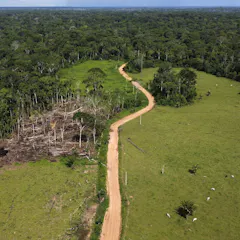
The Tropical Forest Forever Facility is designed to reward countries for preventing deforestation. Charts show the magnitude of the problem.
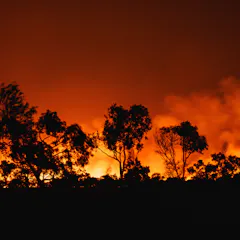
We are living in a hotter, more chaotic world, with more emissions, fires and fossil fuel consumption.
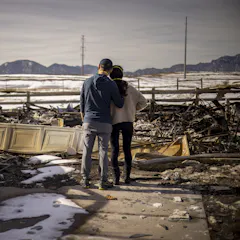
Paying attention to the sticker price doesn’t always result in the best insurance coverage.
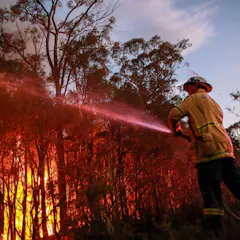
It’s clear – climate change is supercharging the world’s wildfires in unpredictable and devastating ways.

Wildfires are not just environmental events. They are public health crises that demand stronger, more resilient health systems.

From drought to soil degradation and environmental pollution, why does society overlook the most impactful disasters?
Top contributors
-

Professor of Pyrogeography and Fire Science, University of Tasmania
-
Associate Professor of Civil Engineering, Boise State University; United Nations University
-
Professor of Civil, Environmental and Ecological Engineering, Purdue University
-
Professor of Geography and Director of the Centre for Wildfire Research, Swansea University
-
Professor of Engineering, University of California, Merced
-
Assistant Professor of Environmental and Radiological Health Sciences, Colorado State University
-
Fellow, Queen's Institute for Energy and Environmental Policy, School of Policy Studies, Queen's University, Ontario
-
Tenured Scientist (IMB-CSIC, Spain) & Honorary Associate Prof. (SU, UK), Swansea University
-
Wildfire Specialist, University of California Cooperative Extension; Adjunct Professor at the Bren School, University of California at Santa Barbara, University of California, Santa Barbara
-
Emeritus Professor of Life Sciences, Arizona State University
-
Professor of Geology and Environmental Geosciences, University of Dayton
-
Professor, Disaster & Emergency Management, Faculty of Liberal Arts & Professional Studies & Director, CIFAL York, York University, Canada
-
Professor of Fire Ecology, University of Montana
-
Research Fellow in Environmental Science, University of Tasmania
-
Reader in Cultural Geography and Communication, University of Westminster