
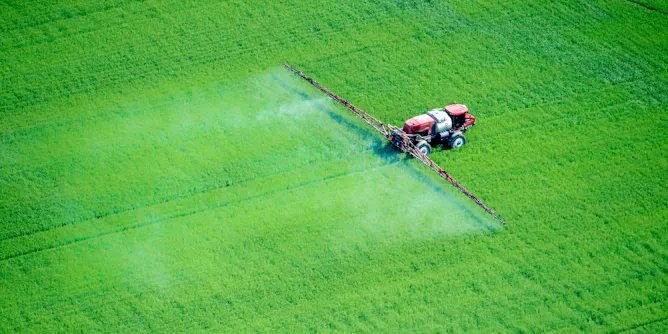
Published in 1962, ‘Silent Spring’ called attention to collateral damage from widespread use of synthetic pesticides. Many problems the book anticipated persist today in new forms.
Articles on Insects
Displaying 221 - 240 of 549 articles

Don’t let microbes and insects turn your Halloween masterpiece into a horror show before the big night.
Climate change is exposing animals to temperatures outside of their normal limits – a new study has found that insects have a particularly weak ability to adjust.
In a warming world, a species’ ability to acclimatise to temperatures is crucial. But young ectotherms can struggle to handle the heat.

Invertebrates are “the little things that run the world”. So researchers decided to count all the ants on Earth, to help monitor how they’re coping with environmental challenges.
Eating insects can carry a much lower environmental footprint than conventional meat. Should western cultures be incorporating more of them into their diets?
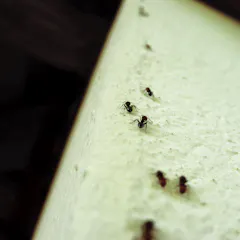
Ant feet are equipped with an array of tools – from retractable sticky pads to claws to special spines and hairs – enabling them to defy gravity and grip virtually any surface.
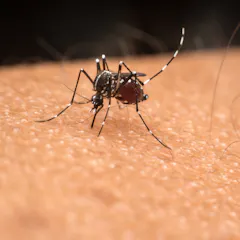
Mosquitoes can track down potential hosts using the CO2 released by humans’ metabolic processes, a medical entomologist explains.

Honey bees have what it takes to pollinate blueberries, boosting the quality and quantity of the popular fruit.
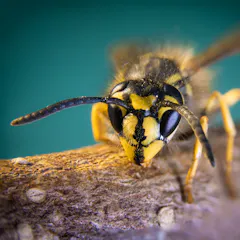
Why you shouldn’t get in a flap over reports that swarms of wasps are descending on Britain.

Why is it so difficult to swat a fly? A team of insect experts explains how a fly’s sophisticated vision allows it to quickly react to visual cues.
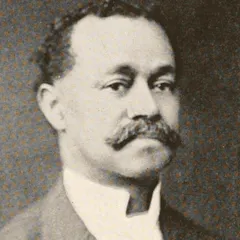
The son of a formerly enslaved mother, Charles Henry Turner was the first to discover that bees and other insects have the ability to modify their behavior based on experience.
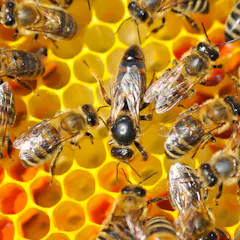
Studying bee sperm is difficult because of the way it coils, but fluorescent light illuminates the head of the sperm. Sperm quality may indicate stress levels in the bee colony.
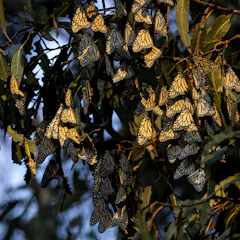
The iconic monarch butterfly has been added to the Red List of endangered species, but hasn’t received protection in the US yet. That’s not necessarily a bad thing.
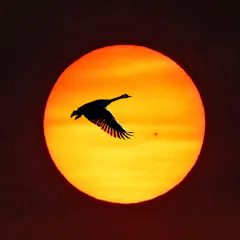
If you’re hot, so are your four-legged neighbours.
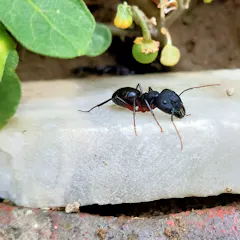
Give ants a chance.
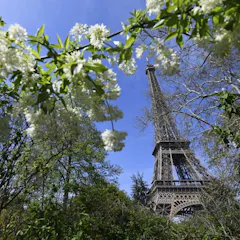
Trees were already known for cooling and cleaning the air of cities. A Europe-wide, participative science project shows how much their density matters for urban biodiversity.
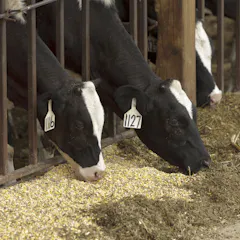
Feeding insects instead of grain to animals is an inexpensive, sustainable way to increase the world food supply. An animal scientist explains what’s involved in developing insect feed for cattle.
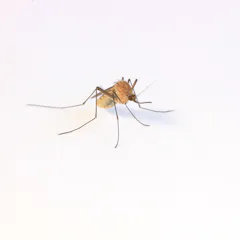
Mosquitoes are commonplace in summer but where do they go once the weather cools? They don’t completely disappear but find fascinating ways to survive the winter.
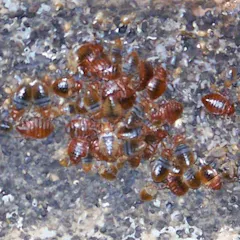
Bed bugs are pretty much universally reviled. But a public health entomologist explains how – while potentially traumatizing to deal with – they aren’t likely to make you sick.
Top contributors
-

Associate Professor in Entomology, University of Sydney
-
Clinical Associate Professor, School of Medical Science & Sydney Infectious Diseases Institute; Principal Hospital Scientist, University of Sydney
-
Professor of Behavioural Ecology, UCL
-
Lecturer, School of Life and Environmental Sciences, University of Sydney
-
Director of the Australian National Insect Collection, CSIRO
-
Lecturer in Ecology, University of New England
-
Associate Professor, Department of Physiology, Monash University
-
Research Fellow, School of Biological Sciences, Monash University
-
Postdoctoral Researcher in Mycology, West Virginia University
-
Adjunct associate, CSIRO
-
Associate Professor, Ecology, Northumbria University, Newcastle
-
Senior Research Associate in Entomology, Lancaster University
-
Assistant Professor, Faculty of Agriculture, Dalhousie University
-
Senior Ecologist, University of Sydney
-
PhD Candidate in Zoology, University of Otago