
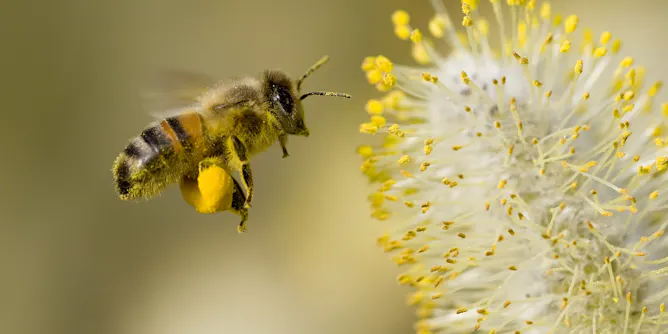
Picking the correct flowers is a crucial job for honey bees, so it’s no wonder they are incredibly efficient at it. But how can such little brains do it?
Articles on Insects
Displaying 181 - 200 of 549 articles
If the spring fire season in Canada is any indication, fire-loving pyrophilic insects will continue to thrive well into summer.
Maintaining a diversity of insects may be key for crop pollination in cities.
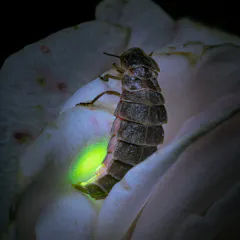
Artificial light is making it harder for male glow-worms to find bioluminescent females.
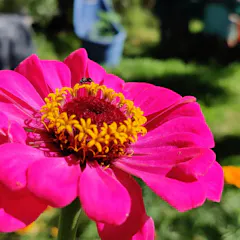
New research suggests insects have pollinated flowers since the pollen-bearing blooms first evolved more than 140 million years ago.
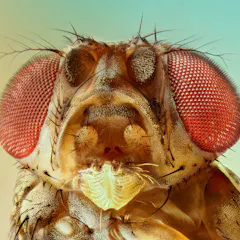
Some of the most important discoveries made in health and genetic science are thanks to the humble fruit fly.
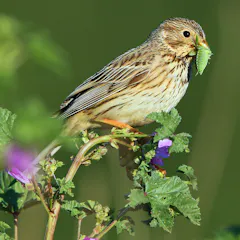
Insect-eating birds such as swifts and yellow wagtails are particularly vulnerable.
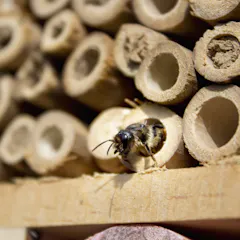
There’s a lot of enthusiasm for wildflower fields and bug hotels. But before introducing these insect-saving measures, we need to better understand when they help – and when they don’t.

Australia is the last continent to be invaded by the dangerous honey bee parasite, and has an opportunity to be the first to eradicate it.
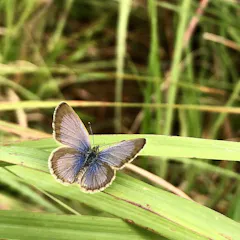
Butterflies are sentinel species – their interactions with landscapes help scientists understand other insects better.
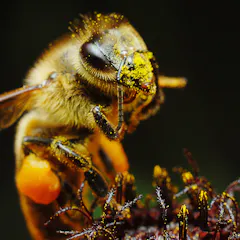
We all know bees are vital pollinators. But they’re also art critics, social learners, dancers and so much more.

Scientists are learning amazing things about bees’ sensory perception and mental capabilities.
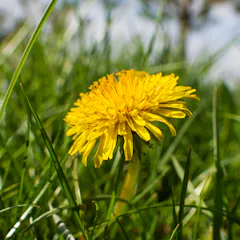
Before you reach for the weed killer, spare a thought for struggling pollinators.

Spiders liquefy their prey in order to consume it, and this makes it challenging to determine what spiders eat. A new approach that uses DNA barcoding is helping researchers figure out spider diets.

Even in death, a tree helps others live.
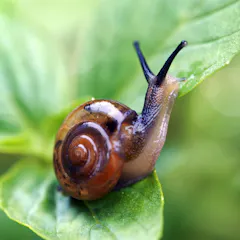
These members of the mollusk family may be slow, small and slimy, but they are an indispensable part of the ecosystem.
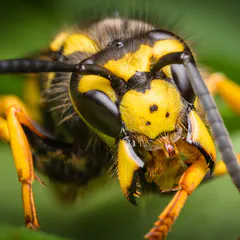
Think your social life is complicated? Consider the wasp.
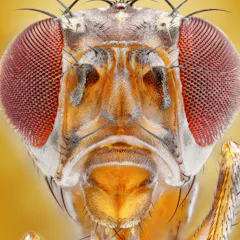
This new study could help researchers understand conditions such as autism and help fight climate change by reducing the carbon footprint of AI.
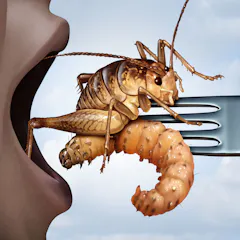
To limit our impact on the planet, one solution could be to replace meat with insects. Children could set an example.
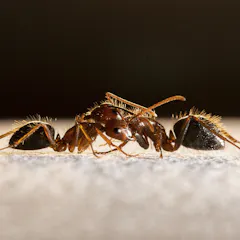
Researchers explore what happens when ants can’t properly use smell to detect friend from foe.
Top contributors
-

Associate Professor in Entomology, University of Sydney
-
Clinical Associate Professor, School of Medical Science & Sydney Infectious Diseases Institute; Principal Hospital Scientist, University of Sydney
-
Professor of Behavioural Ecology, UCL
-
Lecturer, School of Life and Environmental Sciences, University of Sydney
-
Director of the Australian National Insect Collection, CSIRO
-
Lecturer in Ecology, University of New England
-
Associate Professor, Department of Physiology, Monash University
-
Research Fellow, School of Biological Sciences, Monash University
-
Postdoctoral Researcher in Mycology, West Virginia University
-
Adjunct associate, CSIRO
-
Associate Professor, Ecology, Northumbria University, Newcastle
-
Senior Research Associate in Entomology, Lancaster University
-
Assistant Professor, Faculty of Agriculture, Dalhousie University
-
Senior Ecologist, University of Sydney
-
PhD Candidate in Zoology, University of Otago