
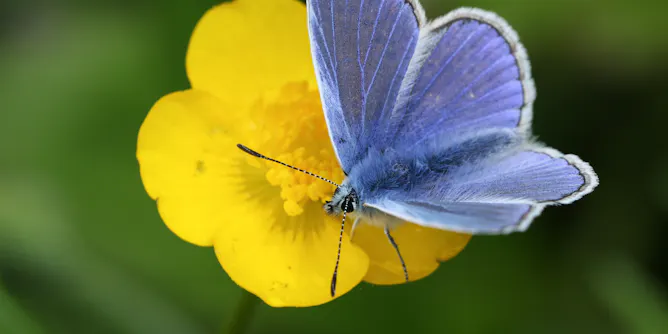
Plus, why you should always remove grass cuttings from your lawn.
Articles on Insects
Displaying 241 - 260 of 549 articles

Fungi underpin life on Earth, but are far less well catalogued and understood than animals and plants. Three scientists call for including fungi in conservation strategies and environmental laws.
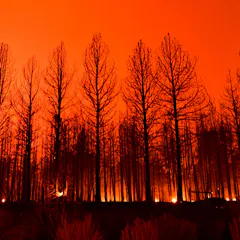
More carbon dioxide in the air doesn’t necessarily mean more growth for trees, and the increasing risk of wildfires and drought has major consequences, as an interactive map shows.
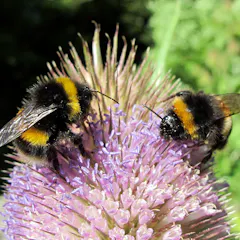
Bees offer insights into many scientific questions, from cooperating in close quarters to strategies for finding food.
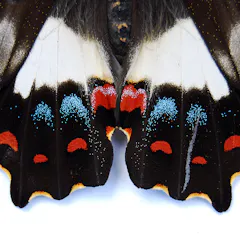
There are 900,000 described species of insects in the world. Field guides help us make sense of them.
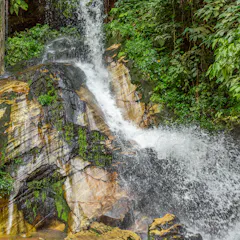
Nigeria should urgently protect three freshwater ecosystems as these undisturbed environments are becoming rare globally.
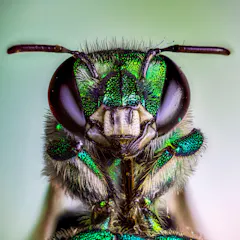
Insect numbers and species decline steeply where agriculture and habitat loss coincide. Preserving natural habitat can reduce losses up to nine-fold
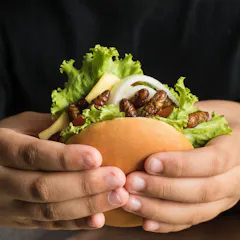
A new ‘protein roadmap’ produced by CSIRO reveals foods set to fill fridges by 2030 as health, environmental and ethical concerns push consumers away from meat.
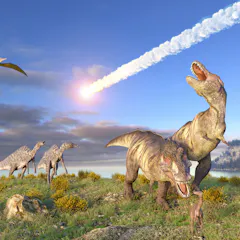
Cockroaches have been on Earth far longer than humans and may outlast us. Here are a few reasons why.

Forensic entomologists analyse blowflies and cocoon cases to help solve crimes.
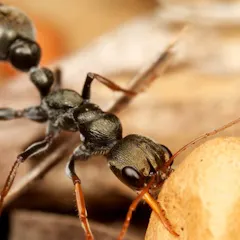
Insects such as ants and beetles use ingenious processes in their brains to work out how far they’ve travelled and in what direction - we’ve now discovered how they remember their way home.

Could this study provide an insight into how to avoid being bitten simply by adjusting the colours we wear? Let’s take a look.

Studies suggest that seeds coated with neonicotinoid insecticides may harm nontarget insects, mammals and birds. In response, states are starting to restrict use of these products.

The painful bites of female march flies can ruin your day at the beach. When we’re not there, they bite wallabies, birds, and even reptiles.
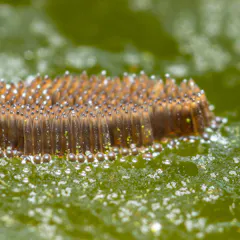
The insecticide Bti kills target organisms like mosquitoes and blackflies, but new research shows it may also have negative effects on non-target species like frogs.
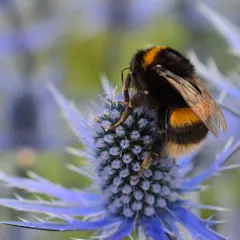
Climate change is throwing plants and pollinators out of sync.
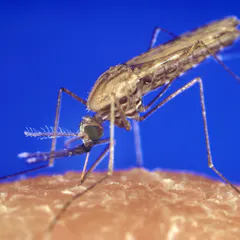
What we call mosquitoes are actually 3500 different types of insects, and they all behave differently.
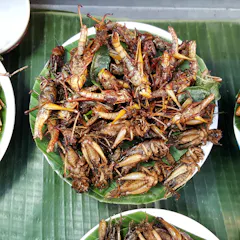
Insects have long been identified as a protein-rich and nutritious food, and are eaten across various cultures outside the West – including across Africa, Asia, and Latin America.

Once the larvae turn into adult moths, they never eat again.
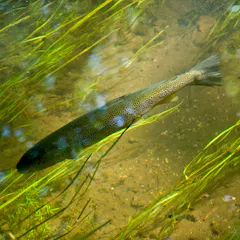
A staggering 85% of the world’s chalk streams are found in England.
Top contributors
-

Associate Professor in Entomology, University of Sydney
-
Clinical Associate Professor, School of Medical Science & Sydney Infectious Diseases Institute; Principal Hospital Scientist, University of Sydney
-
Professor of Behavioural Ecology, UCL
-
Lecturer, School of Life and Environmental Sciences, University of Sydney
-
Director of the Australian National Insect Collection, CSIRO
-
Lecturer in Ecology, University of New England
-
Associate Professor, Department of Physiology, Monash University
-
Research Fellow, School of Biological Sciences, Monash University
-
Postdoctoral Researcher in Mycology, West Virginia University
-
Adjunct associate, CSIRO
-
Associate Professor, Ecology, Northumbria University, Newcastle
-
Senior Research Associate in Entomology, Lancaster University
-
Assistant Professor, Faculty of Agriculture, Dalhousie University
-
Senior Ecologist, University of Sydney
-
PhD Candidate in Zoology, University of Otago