
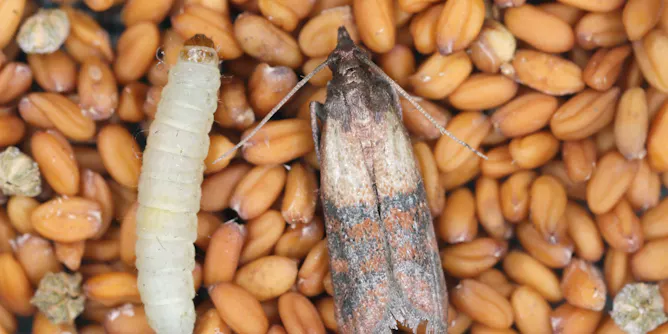
Unfortunately, it’s likely you brought them home yourself. Most pantry moth infestations probably start when we inadvertently bring home eggs and caterpillars in our dried foods.
Articles on Insects
Displaying 261 - 280 of 549 articles
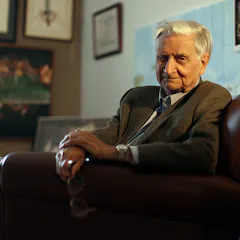
E.O. Wilson was one of the world’s leading experts on ants, but his other passion was convincing humans to see themselves as part of the natural world.
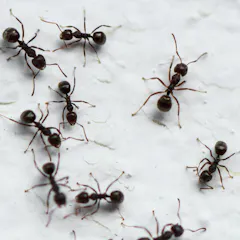
A clue is in insects’ hairy feet.
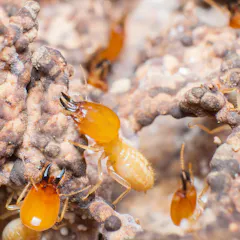
Staple diets in Nigeria can be improved by the addition of insect powders, rather than serving recognisable forms of insects.

As environmental engineers, invasive caterpillars can have remarkable effects on water quality and soil conditions. But from a climate perspective they’re pretty much a nuisance.
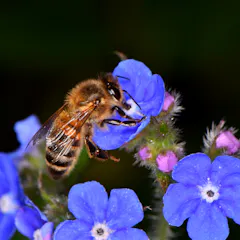
Many living organisms generate and even detect static electricity in their natural environments. We must understand more to ensure we don’t disturb these delicate processes.

A fly does some of its digesting outside its body before it even eats any food.
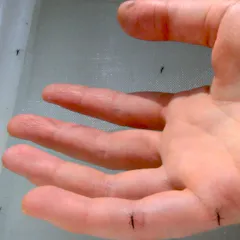
Male mosquitoes gather around humans, likely in an attempt to mate with blood-sucking females.
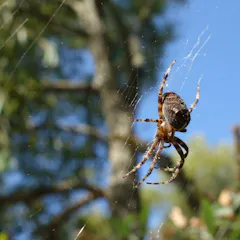
Insects are changing their behaviour as they prepare for winter.
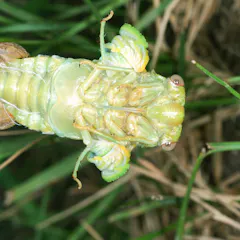
The Massif des Maures was devastated by fires this year, but the region’s hardy cicadas continued to sing thanks to their unique survival methods.

Rivers are among the most embattled ecosystems on Earth. Researchers are testing a new, inexpensive way to study river health by using eDNA to count the species that rivers harbor.
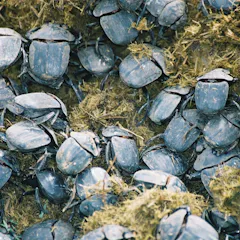
Beetles exposed to elevated carbon dioxide emerged later and smaller and had a reduced chance of making it to adulthood.
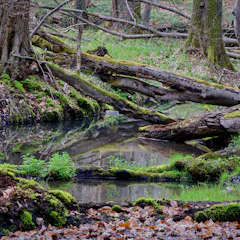
This is the first time researchers have calculated the amount of carbon released from the world’s decaying wood. They found insects play an enormous role.
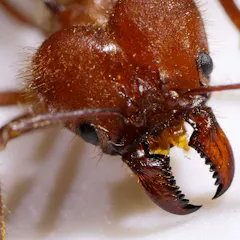
Many small animals make their teeth and claws from a smooth blend of proteins and heavy elements. These materials can form very sharp tools that make it possible to cut tough substances using tiny muscles.
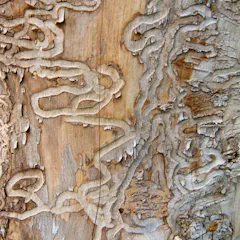
Biological control strategies curb pests using other species that attack the invader. A biologist explains why it can take more than a decade to develop an effective biological control program.
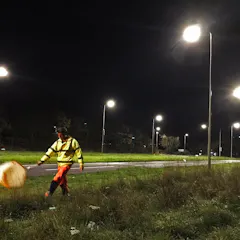
The increasing prevalence of white LED streetlamps spells worrying population declines for insects like moths.

Inserting electrodes into insects helps scientists understand what attracts these insects – and, stemming from that, how to trap them and protect crops.
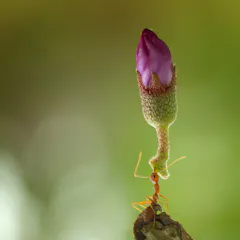
Usain Bolt can run at about 6 body lengths a second. An arachnid in California can do 322.
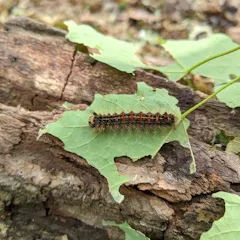
The caterpillar, Lymantria dispar, has eaten through 17,000 square kilometres of trees since the 1980s. The invasive insect was imported in the 1880s to launch a North American silk industry.
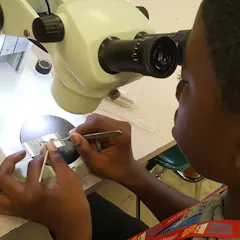
A hands-on approach to learning about bugs can help students from urban communities take an interest in science.
Top contributors
-

Associate Professor in Entomology, University of Sydney
-
Clinical Associate Professor, School of Medical Science & Sydney Infectious Diseases Institute; Principal Hospital Scientist, University of Sydney
-
Professor of Behavioural Ecology, UCL
-
Lecturer, School of Life and Environmental Sciences, University of Sydney
-
Director of the Australian National Insect Collection, CSIRO
-
Lecturer in Ecology, University of New England
-
Associate Professor, Department of Physiology, Monash University
-
Research Fellow, School of Biological Sciences, Monash University
-
Postdoctoral Researcher in Mycology, West Virginia University
-
Adjunct associate, CSIRO
-
Associate Professor, Ecology, Northumbria University, Newcastle
-
Senior Research Associate in Entomology, Lancaster University
-
Assistant Professor, Faculty of Agriculture, Dalhousie University
-
Senior Ecologist, University of Sydney
-
PhD Candidate in Zoology, University of Otago