
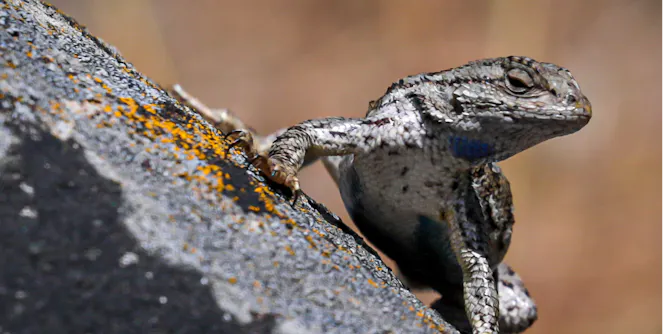
From dark dragonflies becoming paler to plants flowering earlier, some species are slowly evolving with the climate. Evolutionary biologists explain why few will evolve fast enough.
Articles on Insects
Displaying 161 - 180 of 549 articles
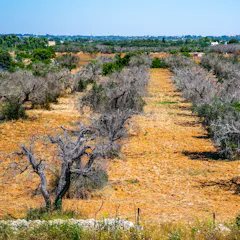
The meadow spittlebug can transmit a deadly bacterium – many plants in Britain could be at risk.
The number of bugs on our windscreens has plummeted in recent years. Are we driving faster? Or are there fewer of them?
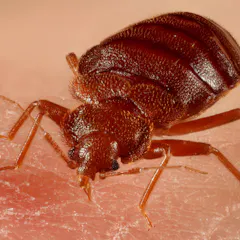
The trouble is most countries don’t make bed bug infestation data available to researchers.
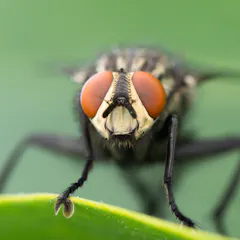
Early warm weather has triggered a bumper season for Australia’s 30,000 fly species.

It’s spring, but many street trees look stressed and sick. Heat and insect attack are arriving early. But our cities are also steadily losing canopy cover.
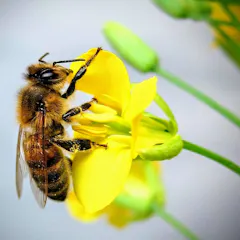
We’re making life tough for insects – and not just by swatting them away with a newspaper.
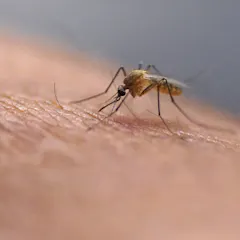
West Nile virus arrived in North America in 1999 and spread across the continent by 2005. Here’s what you need to know about this mosquito-borne pathogen.
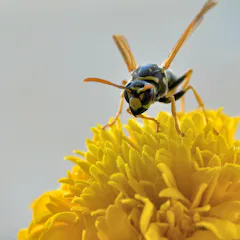
Have we overlooked the intelligence and value of wasps?
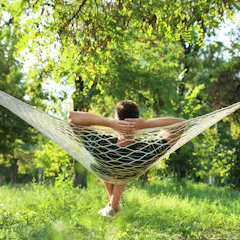
Your less manicured garden has the potential to combat tackle climate change and help wildlife survive.
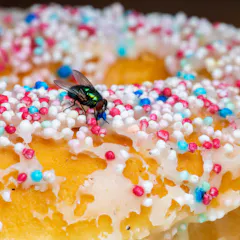
Flies often beat out competitors for food because of their specialized sensing organs called antennae.
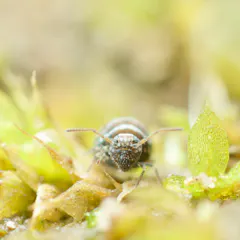
With more than one species for every person on the planet, soils are the most diverse habitat on Earth.
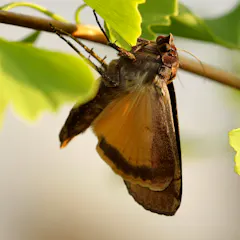
But pesticides and climate change are threatening moths’ future.
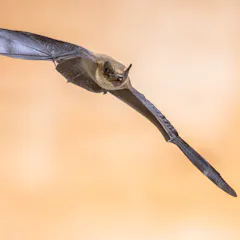
New research has found that bats avoid solar farms – but the findings should not hinder the transition to renewable energy.
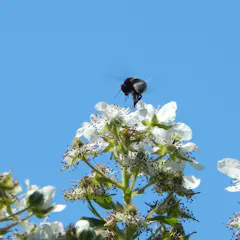
Native common wildflowers provide large amounts of pollen and nectar for insects – but many are undervalued by the public.
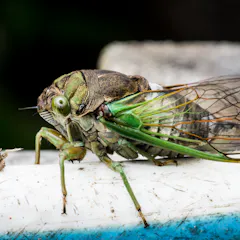
Cicadas don’t need to bathe to stay clean.
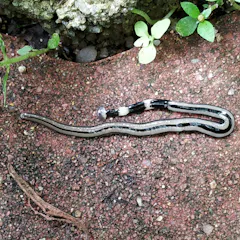
A strange worm found in the jungle, then harvested and preserved in… gin, provides a better understanding of the evolution and genetics of flatworms.

Can planting trees help us solve the climate crisis? Probably, but to what extent?

Farms have become less friendly for our insect friends – this must be reversed if we want food to eat.
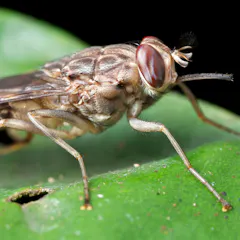
New research on what attracts blood-feasting flies to blue objects could help minimise the impacts of those insects on people and animals.
Top contributors
-

Associate Professor in Entomology, University of Sydney
-
Clinical Associate Professor, School of Medical Science & Sydney Infectious Diseases Institute; Principal Hospital Scientist, University of Sydney
-
Professor of Behavioural Ecology, UCL
-
Lecturer, School of Life and Environmental Sciences, University of Sydney
-
Director of the Australian National Insect Collection, CSIRO
-
Lecturer in Ecology, University of New England
-
Associate Professor, Department of Physiology, Monash University
-
Research Fellow, School of Biological Sciences, Monash University
-
Postdoctoral Researcher in Mycology, West Virginia University
-
Adjunct associate, CSIRO
-
Associate Professor, Ecology, Northumbria University, Newcastle
-
Senior Research Associate in Entomology, Lancaster University
-
Assistant Professor, Faculty of Agriculture, Dalhousie University
-
Senior Ecologist, University of Sydney
-
PhD Candidate in Zoology, University of Otago