
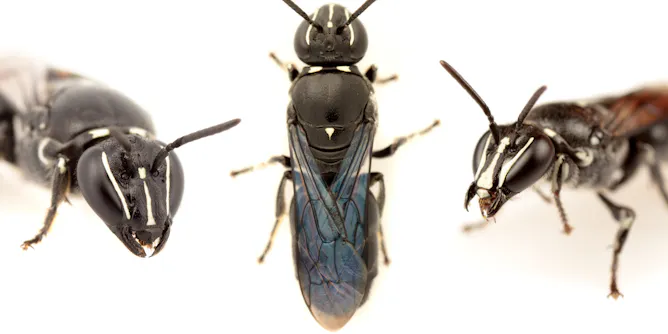
The last time a specimen was collected was in 1923.
Articles on Insects
Displaying 301 - 320 of 549 articles

Entomologists wonder if the insects currently pollinating farmed cacao are the right ones for the task.

COVID-19 kept many scientists from doing field research in 2020, which means that important records will have data gaps. But volunteers are helping to plug some of those holes.
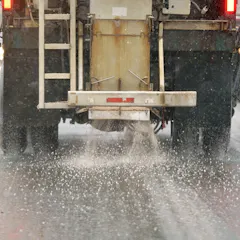
De-icing salts help us get around in winter, but they corrode cars, crack roads and contaminate rivers and lakes. Scientists are working to develop better options by imitating natural antifreezes.
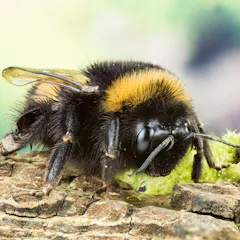
Chemicals banned in the EU were recently granted an exemption for limited use in the UK.
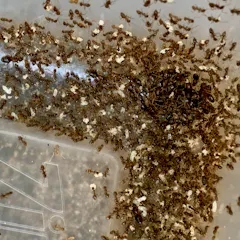
The spread of tawny crazy ants may be driven, in part, by their need for calcium. The calcium-rich limestone bedrock of the lower U.S. Midwest may provide ideal conditions for populations to explode.

For some sand-dwelling plants, stickiness is a defense tactic that keeps predators at bay.

Summer can bring out the bugs. Here’s what to do if you miss a spot when applying insect repellent.
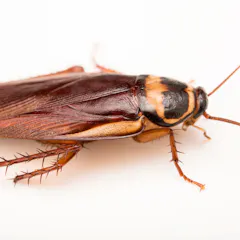
The reality TV show I’m a Celebrity, Get Me Out Of Here is under fire for using non-native insects while filming in the Welsh countryside.

Insects are plentiful and inexpensive. Even when children aren’t attending school in person, they can learn from the encounters they have with insects outside.

Nutrients and energy contained within dead animals are repurposed and repackaged into living, breathing insects.
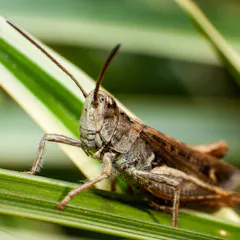
Locust outbreaks are driven by unusual climatic conditions.
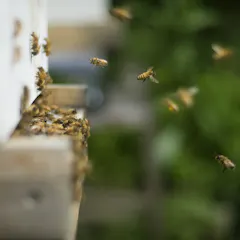
New research suggests individual bees are born with one of two learning styles – either curious or focused. Their genetic tendency has implications for how the hive works together.
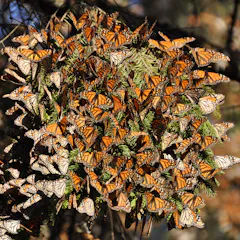
Can a plan that brings together government and private landowners create enough habitat for monarch butterflies?
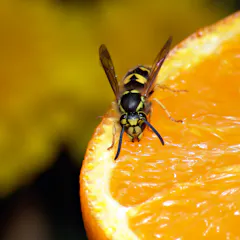
Finally we have a word to describe why wasps bother you in late summer: furlough.
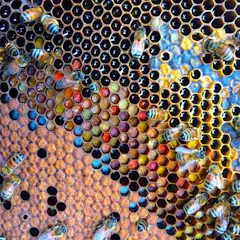
A single colony of bees can have 60,000 bees in it. Together, they can visit up to 50 million flowers each day to collect pollen and nectar. They’re not called ‘busy bees’ for nothing!

Life in a honey bee hive is all about cooperating for the collective good.
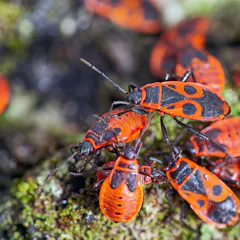
Entomologists worried about invasive pests have thousands of curious community scientists posting their findings online — and identifying new species.

Honey bees in the most polluted parts of an Indian city were more likely to die sooner and showed clear signs of poor health.

Recent reports of dramatic declines in insect populations have sparked concern about an ‘insect apocalypse.’ But a new analysis of data from sites across North America suggests the case isn’t proven.
Top contributors
-

Associate Professor in Entomology, University of Sydney
-
Clinical Associate Professor, School of Medical Science & Sydney Infectious Diseases Institute; Principal Hospital Scientist, University of Sydney
-
Professor of Behavioural Ecology, UCL
-
Lecturer, School of Life and Environmental Sciences, University of Sydney
-
Director of the Australian National Insect Collection, CSIRO
-
Lecturer in Ecology, University of New England
-
Associate Professor, Department of Physiology, Monash University
-
Research Fellow, School of Biological Sciences, Monash University
-
Postdoctoral Researcher in Mycology, West Virginia University
-
Adjunct associate, CSIRO
-
Associate Professor, Ecology, Northumbria University, Newcastle
-
Senior Research Associate in Entomology, Lancaster University
-
Assistant Professor, Faculty of Agriculture, Dalhousie University
-
Senior Ecologist, University of Sydney
-
PhD Candidate in Zoology, University of Otago