
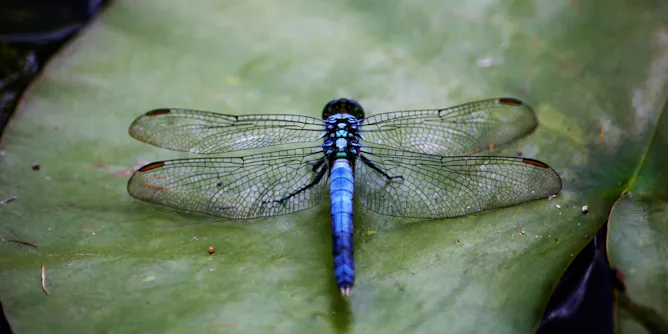
New data from tropical and subtropical regions suggests insects are declining thanks to dammed rivers
Articles on Insects
Displaying 281 - 300 of 549 articles
We know surprisingly little about the millions of animals, plants and birds that live in the Amazon – here’s how we can understand them better.

Baobab flowers have male and female parts but individual trees appear to be favouring one rather than the other. To keep tree populations healthy and fruitful, both types are needed.
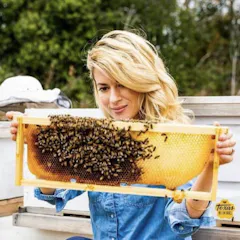
Erika Thompson is clearly a competent beekeeper, who’s educating the public about honeybees in her own way on social media.
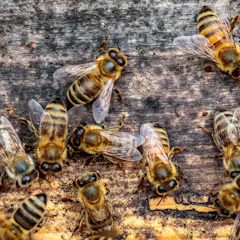
Bees mate in mid-air, where it’s almost impossible to observe them.
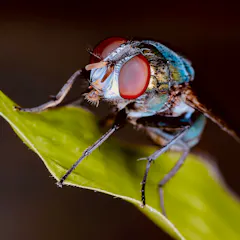
New findings suggest the loss of fertility at high temperatures is a major threat to the survival of some species.
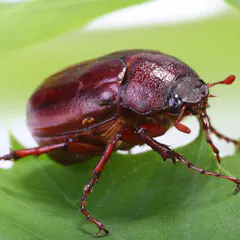
There is much more to these chunky beetles of early summer than what first meets the eye.
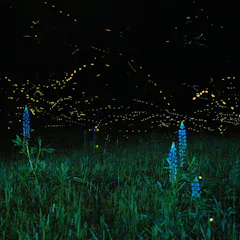
Fireflies’ summer evening light shows are a delight for humans, but for the insects they are a crucial mating ritual – and human-caused light pollution is a buzz kill.
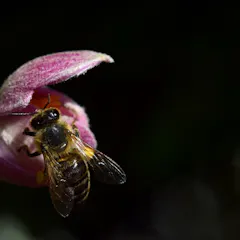
Hives that travel by truck, bees paid for their pollination service, adulterated honey, economic theories based on an imaginary social organization…

Planting a garden for winter-active insects is a wonderful way to support local biodiversity. Your garden will thrive with the free pollination and pest control services the insects provide.
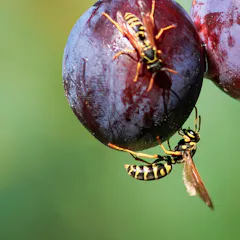
We value bees for the jobs they do for the environment and us – why is the same not true of wasps?
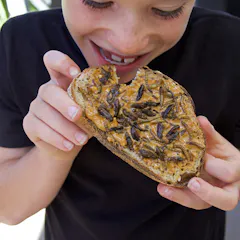
Two billion people already eat ‘prawns of the land’, so why don’t many Australians? A new CSIRO industry roadmap on edible insects explains why we should bring bugs into mainstream diets.
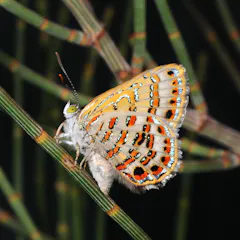
There’s still a very good chance of recovery for most of these species, but only with new targeted conservation effort.
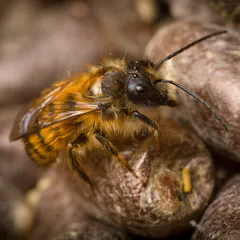
First ever feeding experiments reveal that solitary bees need to carb-load – and can be picky when it comes to dieting.

A type of structure called a ‘scaffold’ acts like a safety net for ants when they go foraging, preventing them from slipping on steep surfaces.
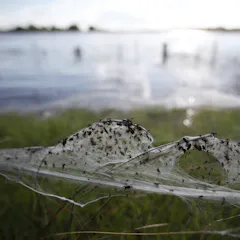
If you find your house overrun by bugs after the floods, go easy on them. Here’s what you can do instead of using pesticides.
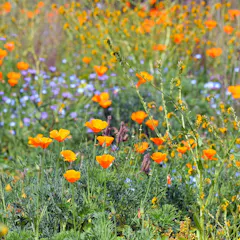
Looking for a new gardening challenge? Turning your yard into an insect-friendly oasis could mean less work and more nature to enjoy.
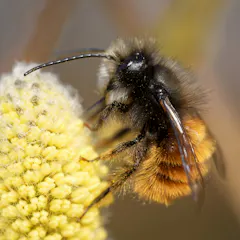
A diverse pollinator community is a reliable one.
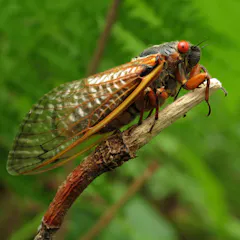
One of the largest groups of 17-year cicadas, Brood X, last emerged from underground in 2004. The next generation will arrive starting in April.
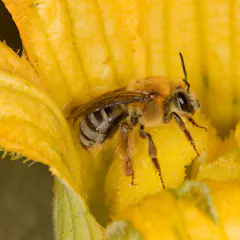
EU-banned pesticides could not only threaten wild bees where they eat, but where they sleep too.
Top contributors
-

Associate Professor in Entomology, University of Sydney
-
Clinical Associate Professor, School of Medical Science & Sydney Infectious Diseases Institute; Principal Hospital Scientist, University of Sydney
-
Professor of Behavioural Ecology, UCL
-
Lecturer, School of Life and Environmental Sciences, University of Sydney
-
Director of the Australian National Insect Collection, CSIRO
-
Lecturer in Ecology, University of New England
-
Associate Professor, Department of Physiology, Monash University
-
Research Fellow, School of Biological Sciences, Monash University
-
Postdoctoral Researcher in Mycology, West Virginia University
-
Adjunct associate, CSIRO
-
Associate Professor, Ecology, Northumbria University, Newcastle
-
Senior Research Associate in Entomology, Lancaster University
-
Assistant Professor, Faculty of Agriculture, Dalhousie University
-
Senior Ecologist, University of Sydney
-
PhD Candidate in Zoology, University of Otago