

New AI tech could identify Asian hornets and help scientists eradicate invading colonies.
Articles on Insects
Displaying 141 - 160 of 549 articles
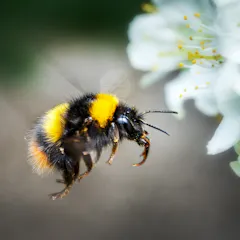
Check that something is blooming every week, March through October, to help bees.

Rock dust is only part of the story of soil. Living creatures, many of them too tiny to see, keep that soil healthy for growing everything from food to forests.

The US Department of Agriculture has updated its plant hardiness zone map, which shows where various plants will grow across the country. Gardeners should take note.
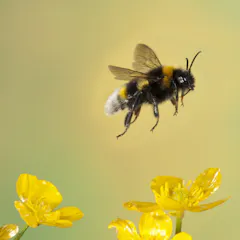
Many common insects seem to disappear during autumn and winter – but they are still around. Making your garden a good winter habitat can help these vital pollinators survive and thrive.
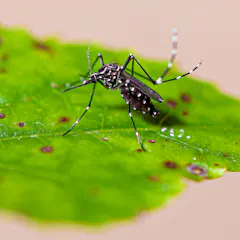
Female mosquitoes don’t want to lay their eggs alone, but they don’t want sites that are too crowded either. Understanding what guides their choice could inform new control strategies.

Not much is known about the predator fly Laphria saffrana. New research identified how they count the wingbeats of their favored prey, letting it slip out of focus before adjusting their heads.
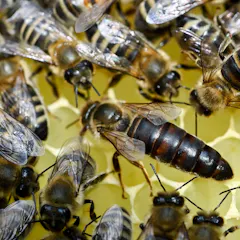
A queen’s main job in the hive is to lay eggs and pass genes on to offspring. But many bee species do just fine without queens or big colonies.
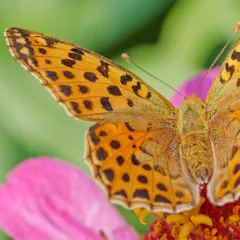
Climate change puts pressure on British butterflies and moths - sometimes pushing them to the edges of their geographical range or shifting the timing of their life cycle so they can’t feed.
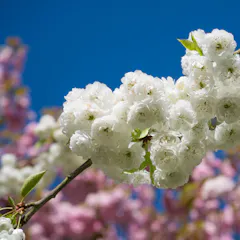
Rising air temperatures mean shorter winters and earlier springs.
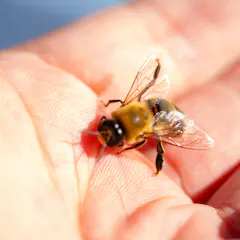
Australia could still take action in the fight against Varroa that wasn’t possible elsewhere. But to do so, we need to fill urgent gaps in bee research.

The native red admiral is less common than it used to be, but we can all help threatened bug species by ensuring they have the right habitats to thrive in.
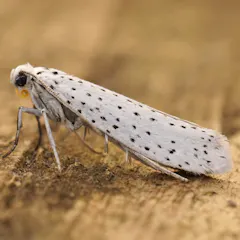
The ermine moth’s wing structures are fascinating because they rely on a mechanism we teach our engineering students to avoid
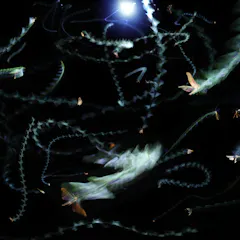
A new study shows how artificial light at night scrambles insects’ normal flight patterns, pulling them off course into orbit around the light.
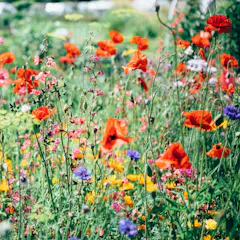
Flowers tend to stand out against a natural background. A new study shows this contrast evolved in a key relationship with their most famous pollinators – bees.
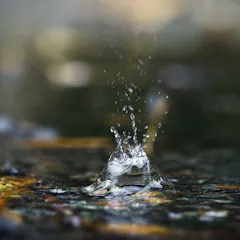
Microplastic pollution is a growing problem − one lab is looking at tiny insects as inspiration for how these pollutants might move through water.
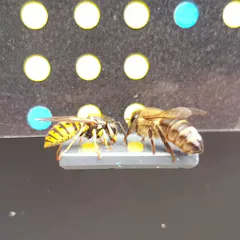
Being susceptible to visual illusions is part and parcel of life not just for humans, but many other species – including bees.
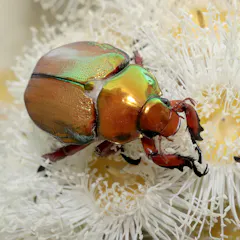
Each year insect scientists like us field questions from the press and public about Christmas beetle populations: where have they gone?
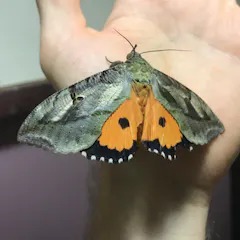
An ecologist, a mathematician and a taxonomist were locked down together in a suburban house. So they counted all the species of plants and animals they could find.
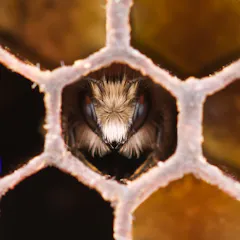
New research shows honeybee hive clusters are a sign of desperation, not insulation.
Top contributors
-

Associate Professor in Entomology, University of Sydney
-
Clinical Associate Professor, School of Medical Science & Sydney Infectious Diseases Institute; Principal Hospital Scientist, University of Sydney
-
Professor of Behavioural Ecology, UCL
-
Lecturer, School of Life and Environmental Sciences, University of Sydney
-
Director of the Australian National Insect Collection, CSIRO
-
Lecturer in Ecology, University of New England
-
Associate Professor, Department of Physiology, Monash University
-
Research Fellow, School of Biological Sciences, Monash University
-
Postdoctoral Researcher in Mycology, West Virginia University
-
Adjunct associate, CSIRO
-
Associate Professor, Ecology, Northumbria University, Newcastle
-
Senior Research Associate in Entomology, Lancaster University
-
Assistant Professor, Faculty of Agriculture, Dalhousie University
-
Senior Ecologist, University of Sydney
-
PhD Candidate in Zoology, University of Otago