
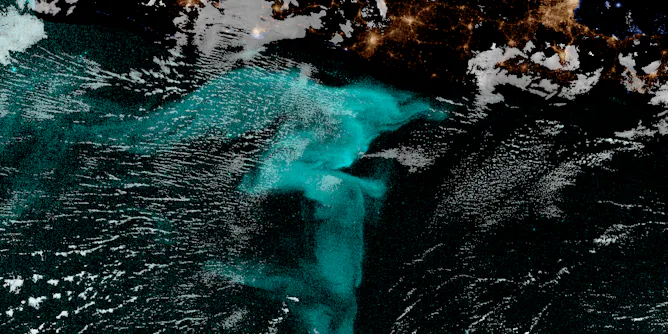
When conditions are just right in some parts of the Indian Ocean, a type of bacteria will multiply and start to glow. Satellites are helping scientists study these milky seas for the first time.
Articles on Biology
Displaying 241 - 260 of 508 articles
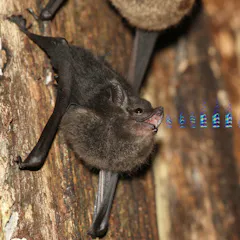
Vocal imitation is a key part of how humans learn to speak. New research shows that bats babble to learn and use baby talk to teach, just like people do.

The giant sea bass fishery collapsed long ago in the US, but that didn’t mean the species was endangered. New research shows these iconic fish have been thriving south of the border.
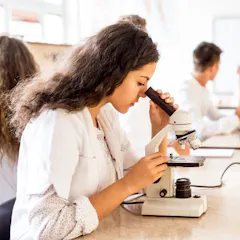
Science teaches you many skills. Even if you don’t plan for a science related career, including a science subject in your senior years can provide a good balance. But only if you’re interested.
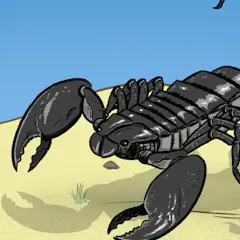
Venom, size, and speed: these are the factors that determine which ambush predator will emerge victorious. So let’s look at the strengths of each arachnid.
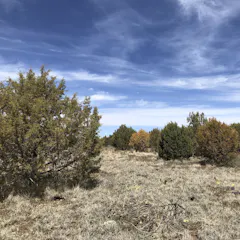
Without enough water, trees can develop embolisms, similar to blockages in human blood vessels, and they’re more likely to die from drought or fires.

Two tongue tips are better than one – an evolutionary biologist explains why snakes have forked tongues.

Quantum microscopes reveal biological structures that would otherwise be impossible to see.
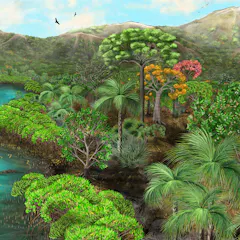
Using remnants of fossilized trees, scientists and an artist figured out what the forest looked like long before humans existed.
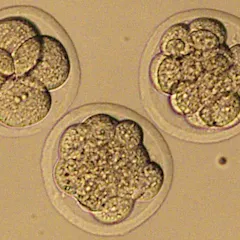
Researchers have grown the first human-monkey hybrid embryos as well as mouse embryos in artificial wombs late into development. These biomedical breakthroughs raise different ethical quandaries.

Science and comic books have been cross-pollinating each other for some time (think Spider-Man). But kids can learn a lot of valuable science information from comics books too.
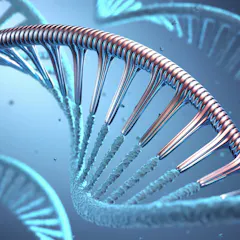
In the spotlight for its role in COVID-19 vaccines – and a Nobel Prize – mRNA is not a new invention. It’s a crucial messenger molecule at work every day in every cell in your body.

We’re the only species that can throw at speeds that kill.
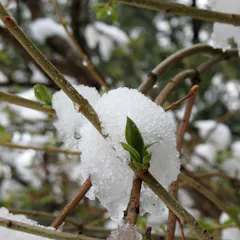
Trees and shrubs in cold-weather climates rely on certain signals, such as temperature and light, to know when to leaf out and bloom. Climate change is scrambling those signals.

For some sand-dwelling plants, stickiness is a defense tactic that keeps predators at bay.
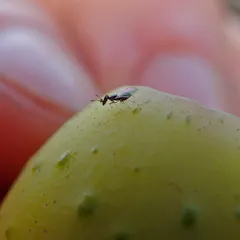
As invasive species transform the world, frontline agencies take solace that species needing unique partners can’t invade alone. A new study on figs shows they may find new partners to invade anyway.
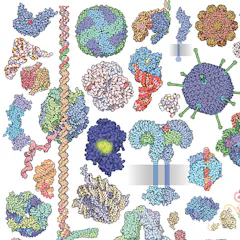
A biologist explains where proteins come from and what role the 20,000 or so proteins in your body play in keeping you alive and kicking.
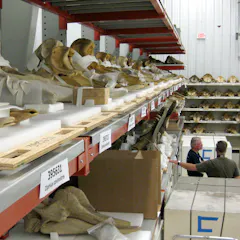
Specimen preservation means researchers don’t need to reinvent the wheel each time they ask a new question, making it critical for the advancement of science. But many specimens are discarded or lost.
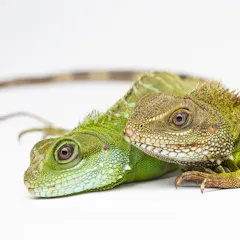
Parthenogenesis, a form of reproduction in which an egg develops into an embryo without being fertilized by sperm, might be more common than you realized.

Animals that regularly dine on toxic food may hold clues for designing new drugs to treat persistent pain in humans.
Top contributors
-

Doctoral Student in Biochemistry, University of Washington
-
Emeritus Strategic Professor in Palaeontology, Flinders University
-
ARC Future Fellow, Behavioural Ecology, Macquarie University
-
Associate Professor of Biology, Tufts University
-
Investigador Científico, Estación Biológica de Doñana (EBD-CSIC); The University of Western Australia
-
Associate Professor of Medical Sciences, University of Wollongong
-
Postdoctoral Fellow, EPFL – École Polytechnique Fédérale de Lausanne – Swiss Federal Institute of Technology in Lausanne
-
Senior lecturer, School of Biological Sciences, University of Bristol, University of Bristol
-
Biologist
-
Fellow, Keele University
-
Lecturer, Macquarie University
-
Senior Lecturer in Molecular Biology, University of Sydney
-
Professor of Biological Sciences, University of Maryland, Baltimore County
-
Chercheur à l’Institut de systématique, évolution, biodiversité (ISYEB), Muséum national d’histoire naturelle (MNHN)
-
Professor of Entomology, North Carolina State University