
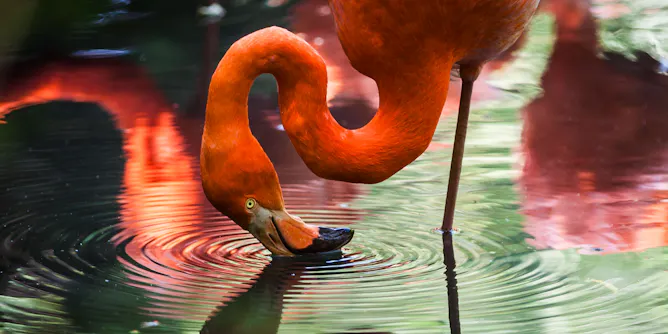
New research reveals how flamingos can stand – and even sleep – on one leg for so long.
Articles on Biology
Displaying 381 - 400 of 508 articles

These birds spend long periods, often asleep, standing on one leg. Is it passive biomechanics or active nervous system control of their muscles that allows them to do easily what’s impossible for us?
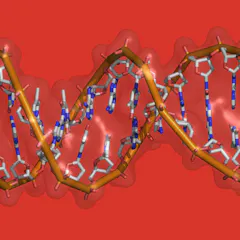
Researchers are starting to harness the potential of this much-hyped gene editing technique – with coming applications in medicine, biology and agriculture.
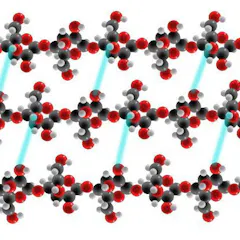
Bio-prospecting is the search for useful materials from natural sources. A biologist explains what we can learn from bacteria about breaking down plant material, and how we can use that knowledge.
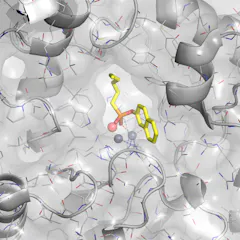
Scientists invented chemical weapons; some are now working to destroy them. New biomolecular design techniques let researchers design proteins that can destroy nerve agents in bodies.
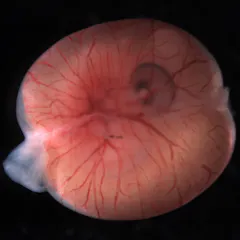
Taking the placenta as a case study, researchers are able to piece together how new organs evolve, by repurposing old tissues and using them to do new jobs.

How can the same basic genome produce such different forms in the two sexes of a single species? It turns out one gene can encode for various things, depending on the order its instructions are read.

Maths is often a quiet contributor to problems in subjects like biology.

Rats were less able to find food after only three days on a diet high in sugar and saturated fat. So could a bad diet also be affect the human brain?
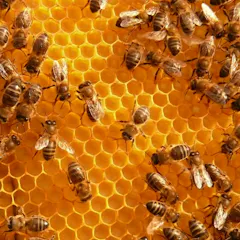
Every new batch of bees needs the equivalent of eight hectares of lavender fields to prosper.
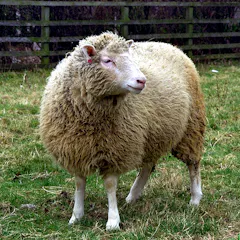
In 1997, scientists announced they’d created a healthy sheep cloned from another ewe’s mammary gland cell. Two decades on, the technique is being refined and applied to new challenges.
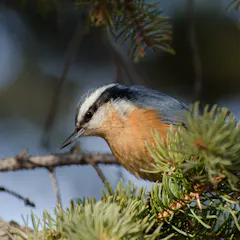
During bird irruptions, hundreds or thousands of a single species show up outside their normal territory. Most of what we know about irruptions comes from data collected by citizen scientists.
Modern medicine is increasing our lifespan. But as we survive diseases and live longer, more of us are succumbing to cancer.
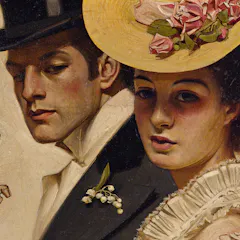
Victorian attitudes influenced what scientists thought they were observing about sexual behaviors in the animal world. But modern techniques reveal the myth for what it is.

Four organisms that show nature isn’t so easily categorised.
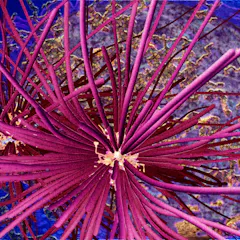
When art meets the biological sciences, living matter becomes the medium. From the chaotic beauty of smallpox to poems implanted in bacteria, Bio-art investigates the boundaries of life and death.
A new exhibition at MONA, curated by scientists, explores the biological and evolutionary origins of art. The show is spectacular - but it offers an overwhelmingly male perspective.
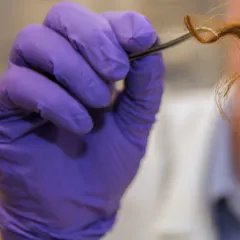
Move over, DNA profilers. Scientists are developing a potentially more powerful technique to identify criminals from their hair.
Humans can more easily tolerate tumours in large or paired organs than in small, critical ones. This could be why the latter have evolved more cancer-fighting mechanisms.
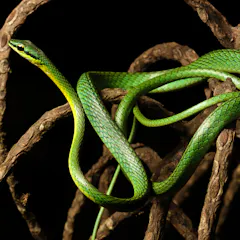
Scientists have uncovered the genetics that explain the snake’s impressive length – and used the science to create extra-long mice.
Top contributors
-

Doctoral Student in Biochemistry, University of Washington
-
Emeritus Strategic Professor in Palaeontology, Flinders University
-
ARC Future Fellow, Behavioural Ecology, Macquarie University
-
Associate Professor of Biology, Tufts University
-
Investigador Científico, Estación Biológica de Doñana (EBD-CSIC); The University of Western Australia
-
Associate Professor of Medical Sciences, University of Wollongong
-
Postdoctoral Fellow, EPFL – École Polytechnique Fédérale de Lausanne – Swiss Federal Institute of Technology in Lausanne
-
Senior lecturer, School of Biological Sciences, University of Bristol, University of Bristol
-
Biologist
-
Fellow, Keele University
-
Lecturer, Macquarie University
-
Senior Lecturer in Molecular Biology, University of Sydney
-
Professor of Biological Sciences, University of Maryland, Baltimore County
-
Chercheur à l’Institut de systématique, évolution, biodiversité (ISYEB), Muséum national d’histoire naturelle (MNHN)
-
Professor of Entomology, North Carolina State University