
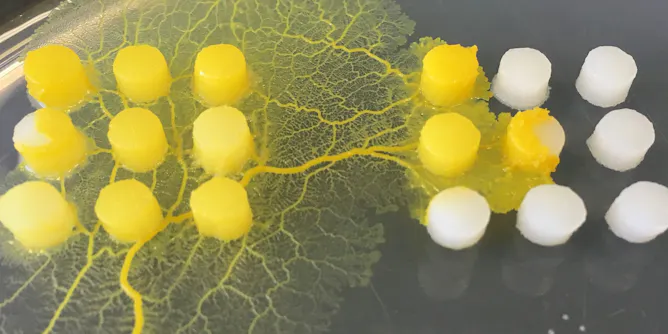
Slime moulds feature throughout HBO’s The Last of Us. While they aren’t a true fungus, they do have a lot in common with zombies.
Articles on Biology
Displaying 181 - 200 of 508 articles

At the most basic level, the brain releases a cocktail of chemicals. But there’s more to it than that.
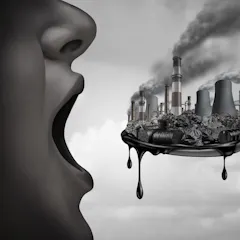
Milk and its derivatives, meat products (especially fat), fish and seafood may be contaminated with PCBs, toxic substances that have been proven to accelerate cellular ageing.
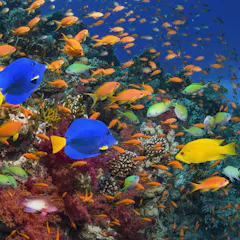
Scientists are learning that diversity has many perks – whether in multispecies groups of animals or human society.
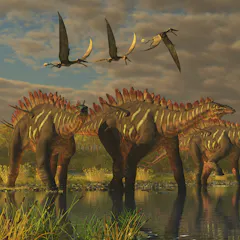
Birds and dinosaurs lived together for millions of years, but only toothless birds survived the asteroid impact that upended life on Earth.

From insects to birds to bats to frogs, these little loudmouths have found ingenious ways to deliver their messages at high volume.
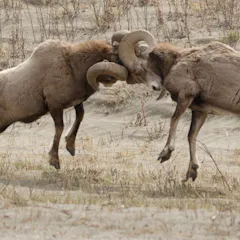
Life can be a struggle for power – not just for people but for nonhuman animals, too. An animal behaviorist explains how this quest can be more Shakespearean drama than boxing match.

A puzzle over the identity of an extinct bird that laid eggs across Australia has been solved.
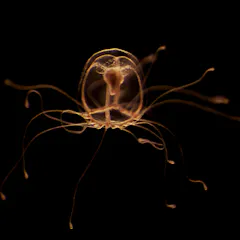
The immortal jellyfish ‘Turritopsis dohrnii’ is capable of escaping death. The molecular keys involved in its longevity have been revealed by researchers at the University of Oviedo.
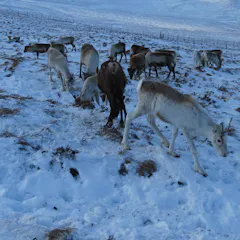
In winter, light in the northern latitudes is dim and very blue compared to summer light. Reindeer eyes have evolved to be better suited at seeing in this unique environment.

Lots of kids wonder about this. Here are some of the basics.
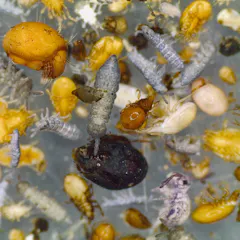
New research shows rewilding with invertebrates – insects, worms, spiders and the like – can go a long way in bringing our degraded landscapes back to life.

The days of freeze-fried astronaut ice cream are long behind us. What will humans eat on Moon colonies in the future? Carefully engineered space gardens could be the answer.
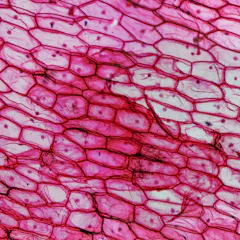
Cell membranes are a basic structure common to most living organisms – but they can be hijacked.

Lillipillies are one of Australia’s great gifts to the natural world. But the story of these homegrown heroes may be taking a grim turn.
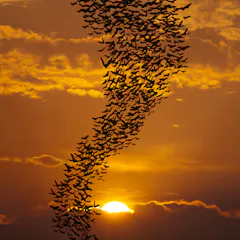
Humans have long struggled to understand the nocturnal world. As environmental change becomes increasingly acute, understanding their lives has never been more critical.

Research on Chernobyl frogs has shown that the ionising radiation caused by the accident triggered a process of natural selection among these animals.
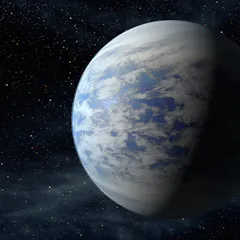
Newly discovered super-Earths add to the list of planets around other stars that offer the best chance of finding life. An astronomer explains what makes these super-Earths such excellent candidates.
Ant feet are equipped with an array of tools – from retractable sticky pads to claws to special spines and hairs – enabling them to defy gravity and grip virtually any surface.
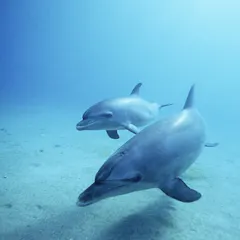
Using urine and signature whistles from other dolphins, a team of scientists has shown that dolphins use signature whistles like names and hold mental representations of other dolphins in their minds.
Top contributors
-

Doctoral Student in Biochemistry, University of Washington
-
Emeritus Strategic Professor in Palaeontology, Flinders University
-
ARC Future Fellow, Behavioural Ecology, Macquarie University
-
Associate Professor of Biology, Tufts University
-
Investigador Científico, Estación Biológica de Doñana (EBD-CSIC); The University of Western Australia
-
Associate Professor of Medical Sciences, University of Wollongong
-
Postdoctoral Fellow, EPFL – École Polytechnique Fédérale de Lausanne – Swiss Federal Institute of Technology in Lausanne
-
Senior lecturer, School of Biological Sciences, University of Bristol, University of Bristol
-
Biologist
-
Fellow, Keele University
-
Lecturer, Macquarie University
-
Senior Lecturer in Molecular Biology, University of Sydney
-
Professor of Biological Sciences, University of Maryland, Baltimore County
-
Chercheur à l’Institut de systématique, évolution, biodiversité (ISYEB), Muséum national d’histoire naturelle (MNHN)
-
Professor of Entomology, North Carolina State University