
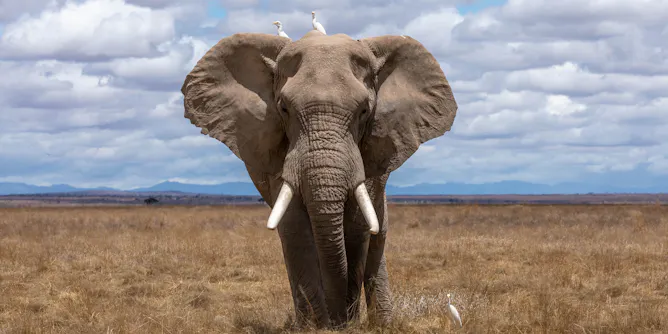
A new theory linking metabolism and size shows how evolution, not physics, is the driving force behind many of life’s patterns.
Articles on Biology
Displaying 201 - 220 of 508 articles
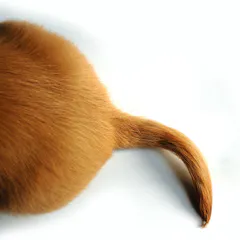
An anthropologist explains some of the many ways animals use their tails, from balancing as they walk to attracting a mate.
Some scientists believe the ‘free energy principle’ can explain the behaviour of all living things – but others say it paints the world with too broad a brush to be useful.
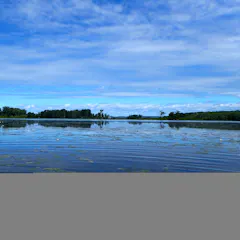
Wetlands can help limit the spread of the voracious round goby, an invasive species that has infiltrated the Great Lakes and has become widespread in the St. Lawrence River.
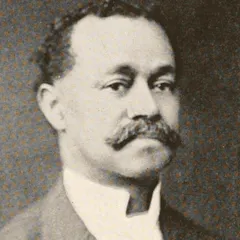
The son of a formerly enslaved mother, Charles Henry Turner was the first to discover that bees and other insects have the ability to modify their behavior based on experience.
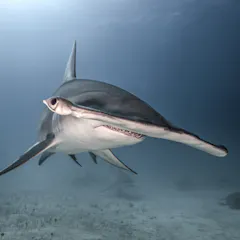
The first hammerhead shark was likely the result of a genetic deformity. A biologist explains how shark DNA reveals hammerheads’ history.

Botany is disappearing from university modules in the UK.

College science classes often fall short of helping students see connections across subjects. Can a new approach make a difference?
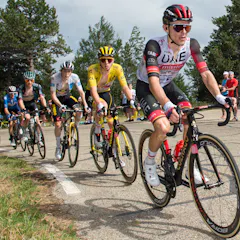
Three scientists explain the biology and physics of what goes into one of the world’s most grueling races, the Tour de France.

The ocean is often considered a silent universe. But many recent studies highlight the importance of the soundscape for many marine species, both large and small.

Fungi underpin life on Earth, but are far less well catalogued and understood than animals and plants. Three scientists call for including fungi in conservation strategies and environmental laws.
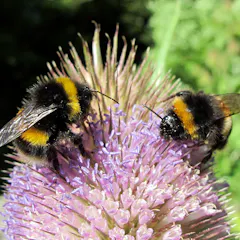
Bees offer insights into many scientific questions, from cooperating in close quarters to strategies for finding food.

Religious beliefs and modern biology sometimes seem to collide. But exploring those ideas with compassion and an open mind can lead to deeper learning across cultures.
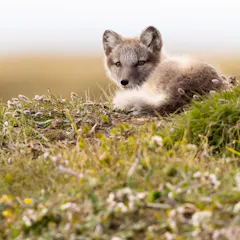
The growing season on the tundra is starting earlier as the planet warms, but the plants aren’t sequestering more carbon, a new study finds.
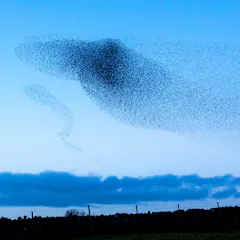
These coordinated movements of a flock of starlings follow no plan or leader. Scientists used to think the animals must communicate via ESP to create these fast-moving blobs.
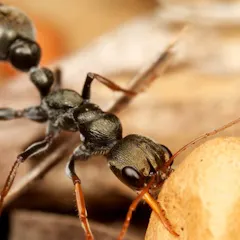
Insects such as ants and beetles use ingenious processes in their brains to work out how far they’ve travelled and in what direction - we’ve now discovered how they remember their way home.
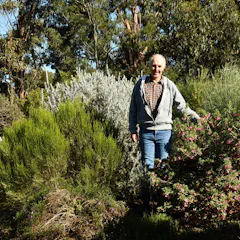
Without these older Australians, my research wouldn’t be where it is today. So let’s meet a few of them.

As people age, the chemical signaling pathways in muscles become less potent, and it gets harder to build muscle and maintain strength. But the health benefits of strength training only increase with age.
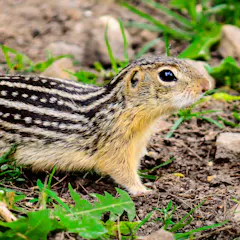
Months not eating or moving don’t result in muscle wasting and loss of function for animals that hibernate. New research found gut microbes help their hosts hold onto and use nitrogen to build proteins.
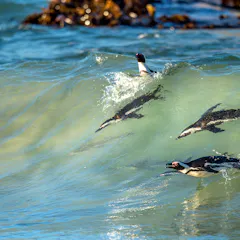
There is plenty of work to do to ensure that other species, geographical areas and ecosystems across Africa are better understood through bioacoustics.
Top contributors
-

Doctoral Student in Biochemistry, University of Washington
-
Emeritus Strategic Professor in Palaeontology, Flinders University
-
ARC Future Fellow, Behavioural Ecology, Macquarie University
-
Associate Professor of Biology, Tufts University
-
Investigador Científico, Estación Biológica de Doñana (EBD-CSIC); The University of Western Australia
-
Associate Professor of Medical Sciences, University of Wollongong
-
Postdoctoral Fellow, EPFL – École Polytechnique Fédérale de Lausanne – Swiss Federal Institute of Technology in Lausanne
-
Senior lecturer, School of Biological Sciences, University of Bristol, University of Bristol
-
Biologist
-
Fellow, Keele University
-
Lecturer, Macquarie University
-
Senior Lecturer in Molecular Biology, University of Sydney
-
Professor of Biological Sciences, University of Maryland, Baltimore County
-
Chercheur à l’Institut de systématique, évolution, biodiversité (ISYEB), Muséum national d’histoire naturelle (MNHN)
-
Professor of Entomology, North Carolina State University