
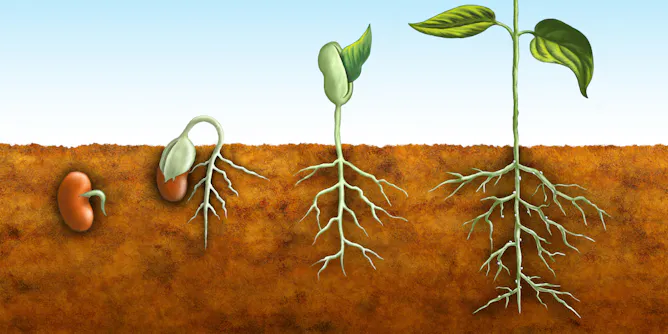
This is the story of how seeds came together bit-by-bit over a really long time, as plants evolved.
Articles on Biology
Displaying 321 - 340 of 508 articles

There are over 100 species of wild coffee, but only a few supply the world’s morning caffeine kick. Sadly, climate change and disease could be about to change that.
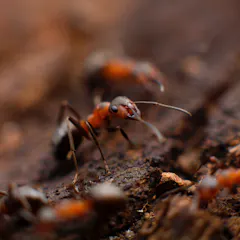
Ants have something similar to blood, but it’s called haemolymph. Some insects use it in unusual ways. When threatened by a predator, blister beetles can squirt haemolymph from their knees.

Our eyes don’t grow much at all – but when we’re very young, we still need to learn how to see.

Did you ever consider that human beings might have a breeding season? Birth seasonality exists – and has interesting implications for childhood disease outbreaks.
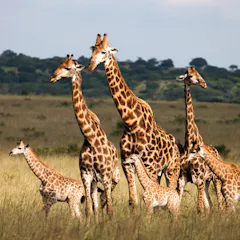
It can actually be very tricky to define a species, but in the 1900s, scientists found a pretty good way.
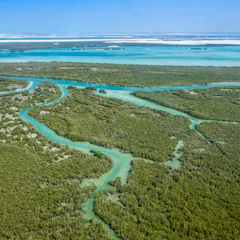
Mangrove forests grow in the tidal lagoons of tropical coastlines and they could actually benefit from climate change. Here’s what that means for us.
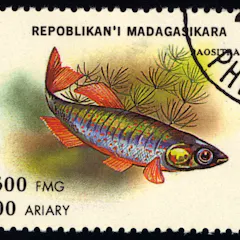
The mummichog is a little-known fish that has made significant contributions to biological knowledge.
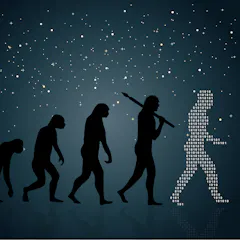
Artificial intelligence research owes a lot to biology and chemistry.
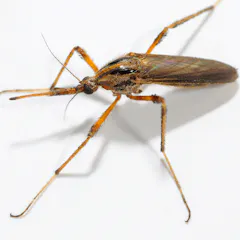
Yes, giant mosquitoes are a thing. They’re specialized to wait out the dry times only to emerge from their eggs when high water provides the perfect larval environment.
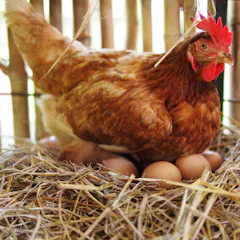
Having looked after chickens for generations, humans are pretty good at getting them to keep on laying eggs.

Sharks eating seagrass? Sounds fishy, but the reality is that animals don’t conform to the strict categories we try to place on their diets.

There was once a chicken called Miracle Mike who lived for 18 months without a head: it’s all to do with nerves.
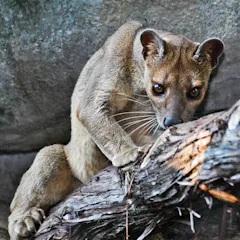
The fossa, Madagascar’s largest predator, is a cat-like carnivore that eats everything from insects to lemurs. Because they are rare and elusive, scientists know very little about them, including how many there are.
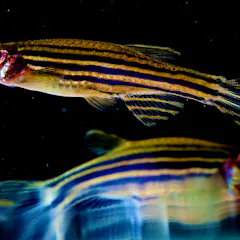
Zebrafish are known for their black and gold stripes, but researchers are still figuring out how pigment cells interact to form these patterns.

From wealth, to the natural world, to genes and intelligence, a podcast exploring the theme of inheritance.
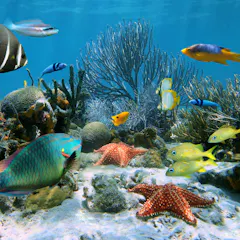
Most animal groups adopted their shapes quickly but some kept evolving.

Born in Italy in 1909, Levi-Montalcini avoided being transported to Auschwitz as a young woman and rose to prominence as a neurobiologist. She was a co-recipient of the 1986 Nobel Prize for Medicine.
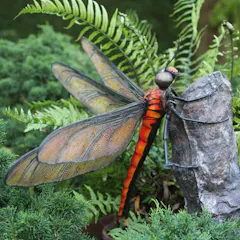
They hovered in the skies of the Earth 300 million years ago… The giant dragonflies will soon be the stars of the paleontology gallery of France’s Natural History Museum in Paris.
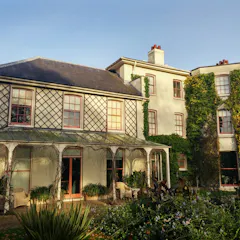
Was Darwin inspired by the tropical wildlife of his travels to discover natural selection? Actually, pigeons, worms and barnacles were far more prominent in his thinking.
Top contributors
-

Doctoral Student in Biochemistry, University of Washington
-
Emeritus Strategic Professor in Palaeontology, Flinders University
-
ARC Future Fellow, Behavioural Ecology, Macquarie University
-
Associate Professor of Biology, Tufts University
-
Investigador Científico, Estación Biológica de Doñana (EBD-CSIC); The University of Western Australia
-
Associate Professor of Medical Sciences, University of Wollongong
-
Postdoctoral Fellow, EPFL – École Polytechnique Fédérale de Lausanne – Swiss Federal Institute of Technology in Lausanne
-
Senior lecturer, School of Biological Sciences, University of Bristol, University of Bristol
-
Biologist
-
Fellow, Keele University
-
Lecturer, Macquarie University
-
Senior Lecturer in Molecular Biology, University of Sydney
-
Professor of Biological Sciences, University of Maryland, Baltimore County
-
Chercheur à l’Institut de systématique, évolution, biodiversité (ISYEB), Muséum national d’histoire naturelle (MNHN)
-
Professor of Entomology, North Carolina State University