
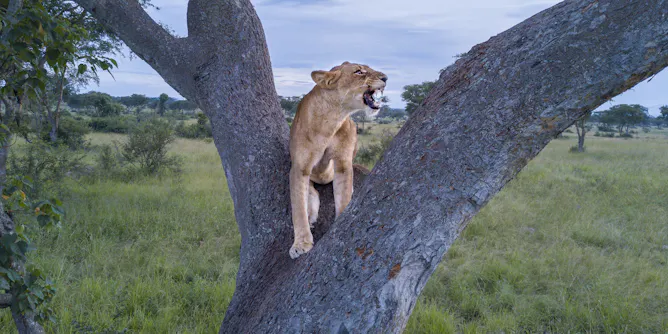
Lions don’t generally have armies of hyenas, but not every aspect of The Lion King is inaccurate.
Articles on Biology
Displaying 301 - 320 of 508 articles
Scrapping the idea of a species is an extreme idea – but perhaps a good one.

Genetic testing companies are offering tests that analyze the ends of your chromosomes – telomeres – to gauge your health and your real age. But is there scientific evidence to support such tests?
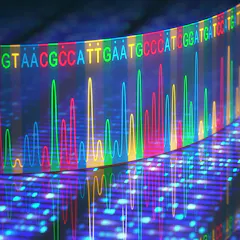
Superfast DNA analysis is now being used to crack medical mysteries when physicians can’t figure out whether an infectious microbe is causing the disease.

A ban on clinical trials involving gene editing rules out the controversial procedure done in China. But it also prevents procedures that could offer couples a chance for healthy children without genetic disorders.
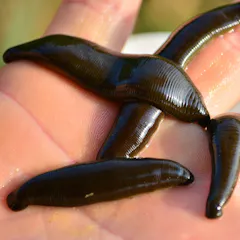
The short answer is that leeches need blood to grow and reproduce. But it’s in their interests to do it carefully, without causing too much pain, and in spots that are hard to find.

Modern science clashes with the idea that the rise of Homo Sapiens was a fluke.
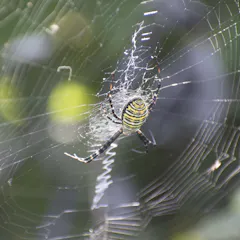
The glue that gives spider webs their stickiness is a form of spider silk protein. Researchers can imagine cool uses for a synthetic version – but had to wait for the tricky glue gene to be sequenced.
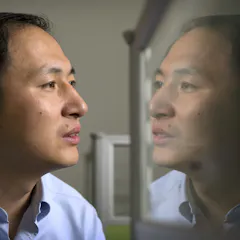
News of the gene-edited babies excludes images of the children’s mother. Cutting her out of the picture underscores the idea that the mother is obsolete and babies can be created in the lab.
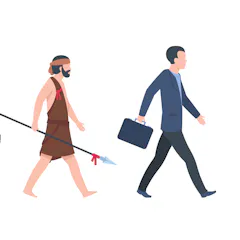
Understanding our evolution can tell us a lot about the health challenges we face today.

Yeast isn’t just important for the foods we consume. A rogue lineage of yeast species that evolves faster than any other is revealing secrets that may help illuminate the molecular causes of cancer.
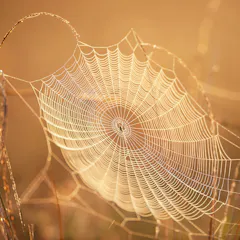
Spiders use different types of silk for different purposes – and not all of them are as strong as steel.
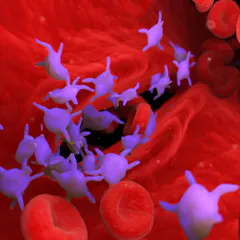
Platelets heal wounds. But they also seem to play a paradoxical role in both promoting and inhibiting the growth of solid tumors.
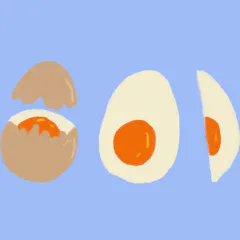
A yolk allows a developing animal to stay in an egg longer, boosting its chance of survival. The downside is the mother has to work hard finding extra food so her body can create a nutritious yolk.

The short answer is we have evolved to have nails because they help us pick things up (like food) and pick things off (like bugs).

Scientists and ethicists have called for a five-year moratorium on editing human genes that will pass on to future generations. Yes, society needs to figure out how to proceed – but is this the best way?
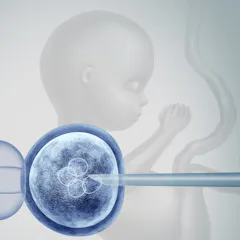
Scientists worldwide are calling for a moratorium on gene editing in germline cells. But what is a germline cell? How does it differ from other cells in our body? Why does it matter if we edit them?
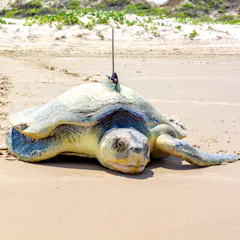
Mathematic models are becoming more sophisticated and now they could actually predict how likely a species is to die out.

How the zebra got its stripes is not only a just-so story, but an object of scientific inquiry. New research suggests that stripes help zebras evade biting flies and the deadly diseases they carry.
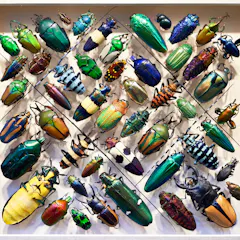
A recent report warned that insects ‘could vanish by the end of the century’. Here’s why that would cause a collapse of nature.
Top contributors
-

Doctoral Student in Biochemistry, University of Washington
-
Emeritus Strategic Professor in Palaeontology, Flinders University
-
ARC Future Fellow, Behavioural Ecology, Macquarie University
-
Associate Professor of Biology, Tufts University
-
Investigador Científico, Estación Biológica de Doñana (EBD-CSIC); The University of Western Australia
-
Associate Professor of Medical Sciences, University of Wollongong
-
Postdoctoral Fellow, EPFL – École Polytechnique Fédérale de Lausanne – Swiss Federal Institute of Technology in Lausanne
-
Senior lecturer, School of Biological Sciences, University of Bristol, University of Bristol
-
Biologist
-
Fellow, Keele University
-
Lecturer, Macquarie University
-
Senior Lecturer in Molecular Biology, University of Sydney
-
Professor of Biological Sciences, University of Maryland, Baltimore County
-
Chercheur à l’Institut de systématique, évolution, biodiversité (ISYEB), Muséum national d’histoire naturelle (MNHN)
-
Professor of Entomology, North Carolina State University