
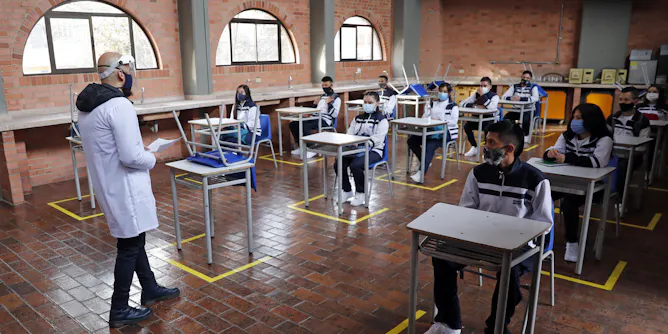
When people start to hear that global case numbers are improving, there’s a tendency to relax — and that’s risky.
Articles on World Health Organization (WHO)
Displaying 221 - 240 of 491 articles
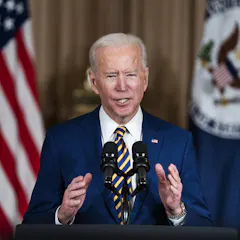
At the top of President Biden’s foreign policy agenda are COVID-19 and climate change. He has also pledged to make diplomacy and multilateralism the primary means of US foreign policy.

Interim findings from the Independent Panel for Pandemic Preparedness and Response paint a bleak picture of global failure. If things don’t improve, a future pandemic could be truly catastrophic.

As the eradication of polio and the successful rollout of AIDS treatments have shown in the past, global cooperation in the face of COVID-19 is possible.

The stakes are high for China as WHO teams arrive to investigate the origins of the coronavirus. Beijing has presented a success story to the world — and will not accept any criticism.
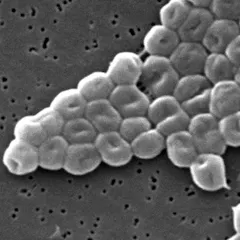
We found a new way to revert antibiotic resistance. It involves using phage therapy to resensitise a type of bacteria to antibiotics.
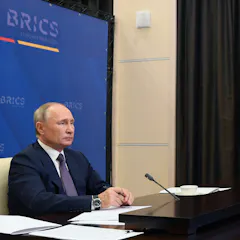
Hosted by Russia, the summit gave the BRICS group a chance to harmonise their approach before the G20 meeting in Riyadh.
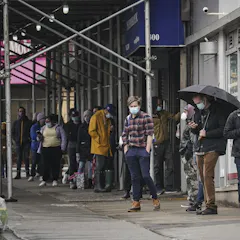
COVID-19 cases are skyrocketing across the US. Testing has ramped up over the past few months, but increasing hospitalizations, deaths and test-positivity rates show that the virus is out of control.
The funding, procurement, storage and distribution of a vaccine present huge challenges to all governments, including New Zealand’s.
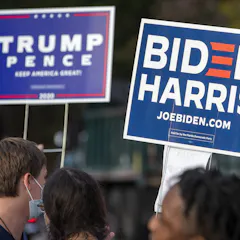
A Trump election loss would suit NZ’s trade, climate and arms control foreign policies. But there will still be the problem of China.
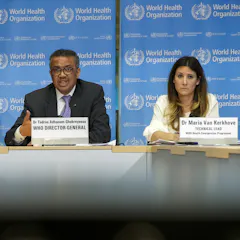
The WHO has been criticised for being slow to recognise the scale of the COVID-9 pandemic. We suggest a new protocol on infectious diseases to help with faster data collection and more open sharing.

A senior World Health Organisation envoy caused consternation by proclaiming lockdowns are not a good long-term strategy against COVID-19. But it’s true, and other subtler tactics are better in the long run.
COVID-19 has all but wiped foreign policy from the election debate, but a world still in crisis awaits the winner of the general election.
The Trump administration wants to go it alone when it comes to vaccine development and distribution. What does this mean for the U.S. and the world?
With $1 billion in advance purchase agreements for COVID-19 vaccines, Canada has joined the vaccine nationalists: rich countries buying up more than half the global short-term supply of vaccine.
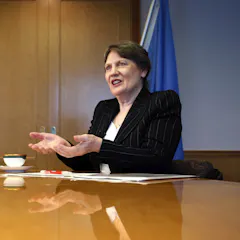
ew Zealand’s Helen Clark on the pandemic inquiry and avoiding election ‘cat fights’
Michelle Grattan talks with former New Zealand Prime Minister Helen Clark about the global pandemic, and the New Zealand federal election

More than 170 countries have signed up to the Global Access (COVAX) initiative, but vaccine hoarding has already begun by many wealthy countries — leaving poorer nations potentially in the lurch.
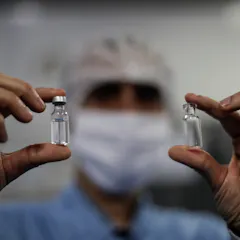
A two-dose coronavirus vaccine would mean we need to produce 12-15 billion doses. This is roughly twice the world’s current total vaccine manufacturing capacity.
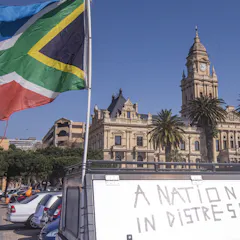
The government was initially praised for its handling of the COVID-19 pandemic but powerful interests could now be pushing its containment plans off course
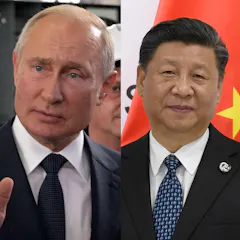
The power vacuum in world leadership means New Zealand and other small states will have to create a new rules-based international order.
Top contributors
-

Associate professor, University of Sydney
-
Fellow, Nigerian Academy of Science
-
Associate Principal Research Fellow, Burnet Institute
-
Professor of Global Biosecurity, NHMRC L3 Research Fellow, Head, Biosecurity Program, Kirby Institute, UNSW
-
Professorial Fellow, University of Canberra
-
Professor of Sociology, USC Dornsife College of Letters, Arts and Sciences
-
Professor and Tier 1 Canada Research Chair in Global Health Governance; Scientific Co-Director, Bridge Research Consortium, Simon Fraser University
-
Professor of Law, University of Waikato
-
Professor of Public Health, La Trobe University
-
Professor of Global Health and Director, O'Neill Institute, Georgetown University
-
Senior Research Fellow in Global Health, University of Southampton
-
Senior Research Scientist, African Population and Health Research Center
-
Professor, Paediatrics and Child Health, UNSW
-
Director of Koi Tū, the Centre for Informed Futures; former Chief Science Advisor to the Prime Minister of New Zealand, University of Auckland, Waipapa Taumata Rau
-
Canada Research Chair of Epidemiology & Global Health, McGill University