
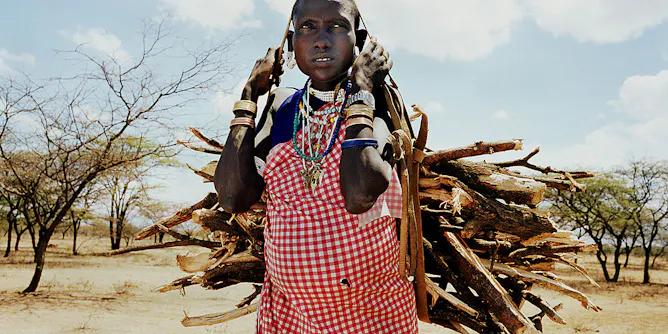
Even though the spouse escort policy carries good intentions, we found during our study that it constituted a barrier to care in numerous ways.
Articles on World Health Organization (WHO)
Displaying 241 - 260 of 491 articles
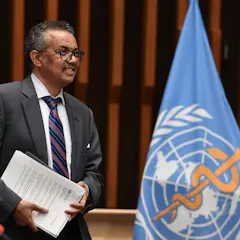
The WHO is a health agency, not a political one. Yet political leaders have often criticized it. Still, the move by the US to pull out from the organization is unprecedented.
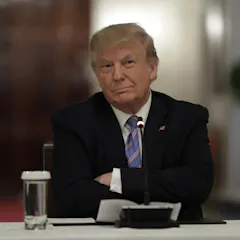
The actions of one country cannot be allowed to undermine decades of multilateral efforts to improve the health and well-being of all peoples of the world.
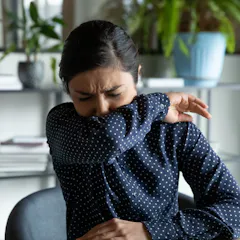
239 scientists have penned an open letter to the WHO arguing COVID-19 likely spreads through the air. But what is airborne transmission, and how strong is the evidence COVID-19 spreads this way?
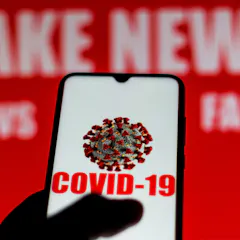
In Africa, people who report higher levels of exposure to disinformation also report lower levels of media trust.
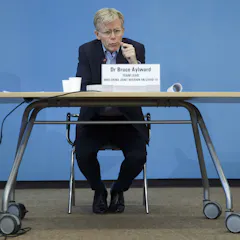
The World Health Organization’s handling of communication around COVID-19 included ambiguous messaging that created confusion.
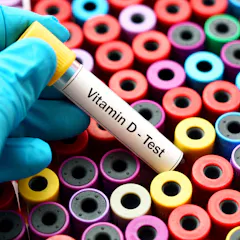
Vitamin D has been shown to regulate the function of 229 genes in humans, suggesting that it plays many roles in maintaining health.

The smallpox virus appears to have been with humanity for millennia before a global vaccination drive wiped it out. Current genome research suggests how smallpox spread and where it came from.
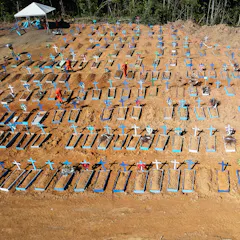
While those of us from Australia and New Zealand might be starting to relax as restrictions ease, the pandemic is actually growing at an increasing rate worldwide.
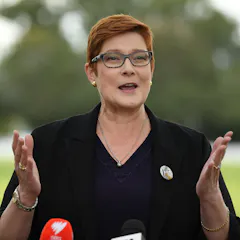
In a Tuesday night speech titled “Australia and the world in the time of COVID-19”, Marise Payne has called for reform of multilateral institutions, including the World Health Organisation.

Warnings about major disease outbreaks are supposed to come from national and international medical intelligence and surveillance agencies that most Americans have never heard of.
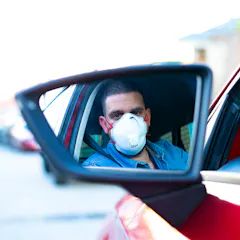
A COVID-19-type pandemic had long been predicted, but our warnings weren’t heeded. We need to start rethinking our approach to health now – even in countries like New Zealand.
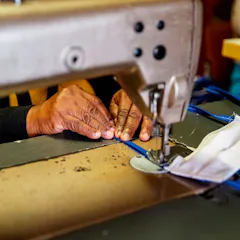
Policy implementation is about the execution of political decisions, informed by evidence.
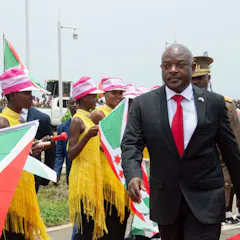
History will judge Nkurunziza as a man who brought unnecessary pain to a nation that had long suffered from political misrule.
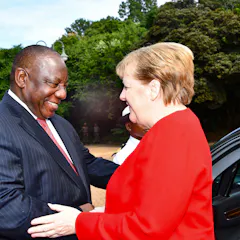
It is no accident that those leaders who have responded worst to this crisis have also been the main sources of countless conspiracy theories and misinformation.
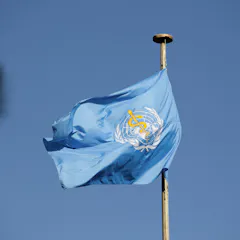
The decision to authorise a WHO investigation into the origins of the coronavirus is only a partial vindication for nations keen to hold China to account. But it will help strengthen global health measures.

Michelle Grattan joins Professor Paddy Nixon to discuss the week in politics.
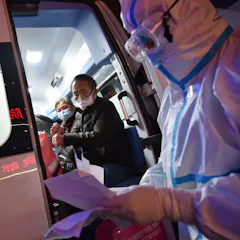
The WHO’s legitimacy is at stake – it must answer tough questions on whether it kow-towed to China.
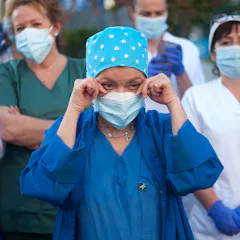
China has only agreed to an investigation if it happens after the pandemic and is led by the WHO – two stipulations that likely won’t sit well with western countries.
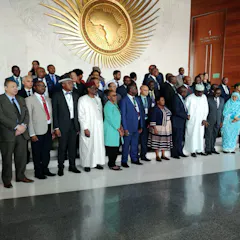
Despite the transnational dimension of the Covid-19 crisis, transnational responses are facing many obstacles. Yet, some regional organisations might be able to expand their mandate and resources.
Top contributors
-

Associate professor, University of Sydney
-
Fellow, Nigerian Academy of Science
-
Associate Principal Research Fellow, Burnet Institute
-
Professor of Global Biosecurity, NHMRC L3 Research Fellow, Head, Biosecurity Program, Kirby Institute, UNSW
-
Professorial Fellow, University of Canberra
-
Professor of Sociology, USC Dornsife College of Letters, Arts and Sciences
-
Professor and Tier 1 Canada Research Chair in Global Health Governance; Scientific Co-Director, Bridge Research Consortium, Simon Fraser University
-
Professor of Law, University of Waikato
-
Professor of Public Health, La Trobe University
-
Professor of Global Health and Director, O'Neill Institute, Georgetown University
-
Senior Research Fellow in Global Health, University of Southampton
-
Senior Research Scientist, African Population and Health Research Center
-
Professor, Paediatrics and Child Health, UNSW
-
Director of Koi Tū, the Centre for Informed Futures; former Chief Science Advisor to the Prime Minister of New Zealand, University of Auckland, Waipapa Taumata Rau
-
Canada Research Chair of Epidemiology & Global Health, McGill University