
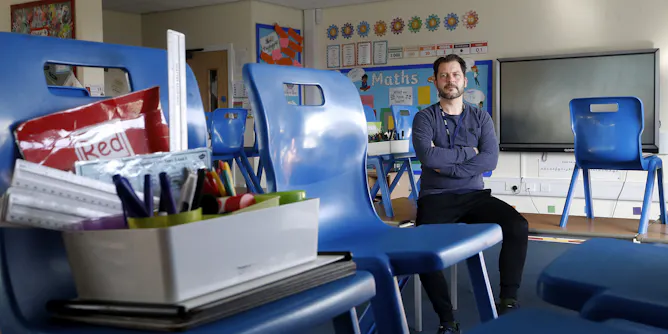
Some countries are making it work – and the rest could learn from them.
Articles on World Health Organization (WHO)
Displaying 261 - 280 of 491 articles

A test that tells you with 94% accuracy that you have had coronavirus seems like a game-changer…until you do the maths.
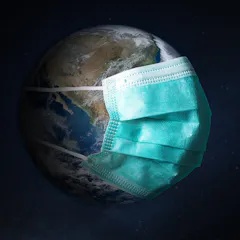
Coronavirus shows just how much the world needs a new system of global governance to address systemic risks.
The World Health Organization is not a disease police force but more of a diplomatic group, aiming to bring countries together to stop disease. Still, it comes under fierce attack.
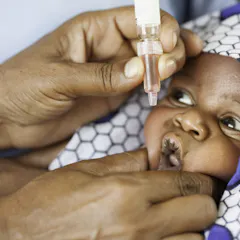
Coronavirus is a stark reminder of what a world without vaccines would look like.
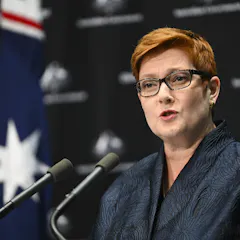
China’s bullying behaviour, its threatened resort to a form of economic blackmail and its attempts to drive a wedge between Canberra and Washington mark a vexed new frontier for Australian diplomacy.
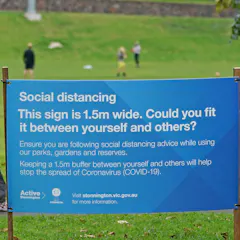
Michelle Grattan talks with Assistant Professor Caroline Fisher about the week in politics, including the latest coronavirus developments, Malcolm Turnbull’s Memoirs, and the ACCC code of conduct for Facebook and Google.
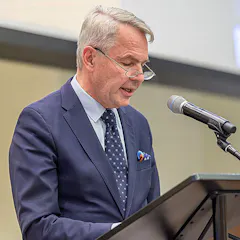
The world rightly expressed shock and dismay at Donald Trump’s suspension of US funding for WHO. To respond, other governments, funders and citizens are urgently needed to fill the gap.
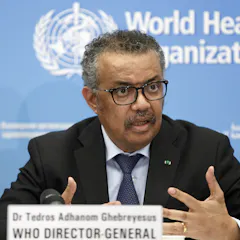
The Trump administration has halted funding to the World Health Organization in the middle of the coronavirus pandemic. But what does it actually do with its budget?
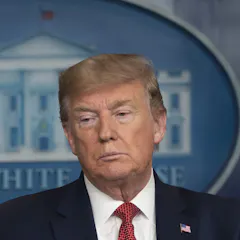
Trump pulling US funding from WHO served to deflect blame from his own bungled handling of coronavirus.

Both cats and dogs can become infected with the coronavirus. The chances of them getting sick or passing it on to you or another animal are extremely low.
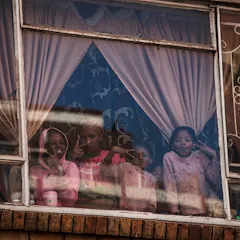
South Africa could lose many children due to a measles outbreak which is completely preventable.
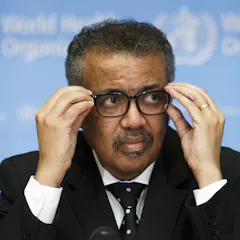
If enacted, the funding cuts may cause the WHO to go bankrupt in the middle of a pandemic. Trump’s move also signals the US is no longer prepared to provide a leadership role in global health issues.
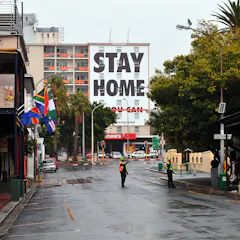
For science communicators to be effective, best practice principles need to be applied to the design of messages, the choice of who conveys those messages, and their tone and timing.

Some of the false claims about coronavirus may be harmless. But others can be potentially dangerous.

Researchers, scientific journals and health agencies are doing everything they can to speed up coronavirus research. The combination of pace and panic during this pandemic is causing mistakes.
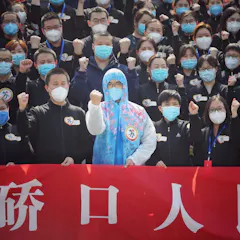
China is seeking to present itself as a model in the fight against the coronavirus – even if it means rewriting the history of the crisis and discrediting the governance of liberal democracies.
The hard truth is that this ship has probably sailed.
Facebook, Google and Twitter are stepping up to block misinformation and promote accurate information about the coronavirus. Their track records on self-policing are poor. The results so far are mixed.

More than two billion people live without reliable access to clean water.
Top contributors
-

Associate professor, University of Sydney
-
Fellow, Nigerian Academy of Science
-
Associate Principal Research Fellow, Burnet Institute
-
Professor of Global Biosecurity, NHMRC L3 Research Fellow, Head, Biosecurity Program, Kirby Institute, UNSW
-
Professorial Fellow, University of Canberra
-
Professor of Sociology, USC Dornsife College of Letters, Arts and Sciences
-
Professor and Tier 1 Canada Research Chair in Global Health Governance; Scientific Co-Director, Bridge Research Consortium, Simon Fraser University
-
Professor of Law, University of Waikato
-
Professor of Public Health, La Trobe University
-
Professor of Global Health and Director, O'Neill Institute, Georgetown University
-
Senior Research Fellow in Global Health, University of Southampton
-
Senior Research Scientist, African Population and Health Research Center
-
Professor, Paediatrics and Child Health, UNSW
-
Director of Koi Tū, the Centre for Informed Futures; former Chief Science Advisor to the Prime Minister of New Zealand, University of Auckland, Waipapa Taumata Rau
-
Canada Research Chair of Epidemiology & Global Health, McGill University