
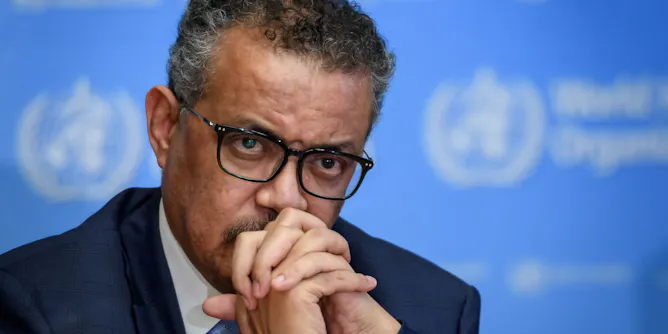
Humanitarians are stuck in a dilemma: challenging practices that cause suffering could risk access to the vulnerable people they serve.
Articles on World Health Organization (WHO)
Displaying 161 - 180 of 491 articles

As a disease progresses, so too must the underlying data and reporting improve to manage the progression of the outbreak.

One Health recognizes the interrelations between the health of humans, other animals, and their shared environments. It should be integrated in the international treaty on pandemics.

We won’t know whether Omicron evades COVID vaccines for another few weeks. Here’s why.
Not much data, but lessons have been learned from the slow response to delta.
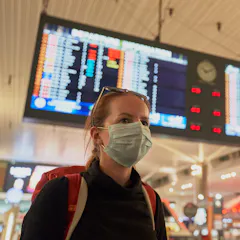
Given the Omicron variant has already spread beyond southern Africa, a ban on travellers from those countries will slow the spread and buy crucial time, but won’t stop this strain in its tracks.

The world needs to learn to live with the virus. And governments must follow the science and don’t distort it for political expediency.

There’s a new COVID lineage called B.1.1.529. It has a genetic profile very different from other circulating variants
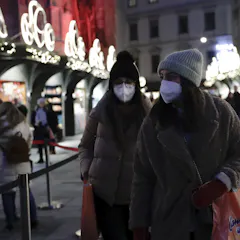
For starters, we need to start thinking of fully vaccinated as three doses, not two. But vaccines alone won’t be enough.

The majority of front page reports were negative in tone, seeing very little possibility for individual agency and self-efficacy. This can amplify public anxiety and fear.
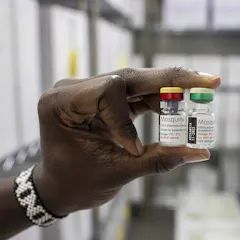
Malaria is one of the world’s oldest and deadliest diseases. So why has it taken so long to get a vaccine?
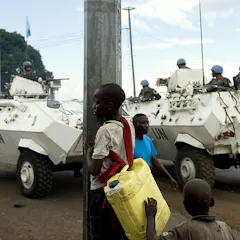
WHO’s safeguarding failure in the DRC has re-focused attention on the sexual misconduct that surfaces with disgraceful regularity in humanitarian, development, and peacekeeping operations worldwide.
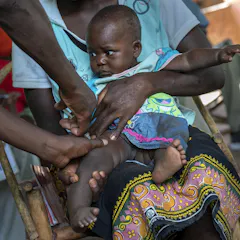
But the vaccine isn’t perfect. So we’ll still need mosquito nets and insecticides too.
Sexual exploitation and abuse requires an active rather than passive response.
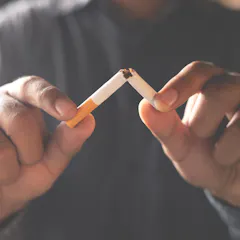
From October 1, Australians will only be able to buy e-cigarettes containing nicotine if they have a prescription from a doctor. But there’s another evidence-based way to help more smokers quit.
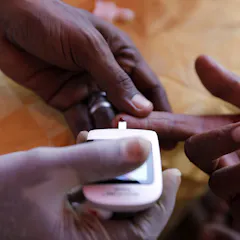
Targets for diabetes would improve healthy lives, reduce deaths, and be cost effective. But they should not be for managing diabetes alone; they must include treating hypertension.
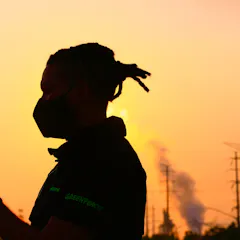
The World Health Organization has halved its recommended limit for particulate pollution.
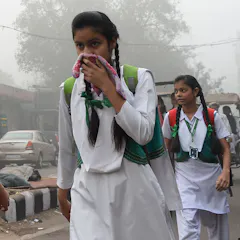
It’s the World Health Organization’s first update of global air quality guidelines since 2005. We know far more today about the serious risks these pollutants pose to human health.

Scientists debate the medical benefits of booster shots. But there’s another aspect to consider: bioethics.
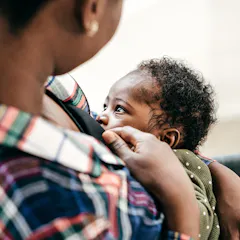
Prevalence of exclusive breastfeeding has increased across all countries but few are likely to meet the 2030 goal of 70%.
Top contributors
-

Associate professor, University of Sydney
-
Fellow, Nigerian Academy of Science
-
Associate Principal Research Fellow, Burnet Institute
-
Professor of Global Biosecurity, NHMRC L3 Research Fellow, Head, Biosecurity Program, Kirby Institute, UNSW
-
Professorial Fellow, University of Canberra
-
Professor of Sociology, USC Dornsife College of Letters, Arts and Sciences
-
Professor and Tier 1 Canada Research Chair in Global Health Governance; Scientific Co-Director, Bridge Research Consortium, Simon Fraser University
-
Professor of Law, University of Waikato
-
Professor of Public Health, La Trobe University
-
Professor of Global Health and Director, O'Neill Institute, Georgetown University
-
Senior Research Fellow in Global Health, University of Southampton
-
Senior Research Scientist, African Population and Health Research Center
-
Professor, Paediatrics and Child Health, UNSW
-
Director of Koi Tū, the Centre for Informed Futures; former Chief Science Advisor to the Prime Minister of New Zealand, University of Auckland, Waipapa Taumata Rau
-
Canada Research Chair of Epidemiology & Global Health, McGill University