

As the WHO calls for urgency to address antibiotic resistance in gonorrhoea, new research shows that a vaccine developed against an unrelated disease offers protection.
Articles on World Health Organization (WHO)
Displaying 381 - 400 of 491 articles
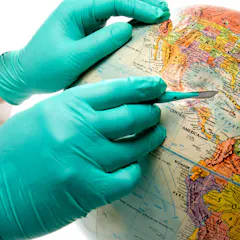
Almost one-third of human disease requires surgery, but most of those people who need surgery are not getting it. Here’s why we need to make surgery more accessible.
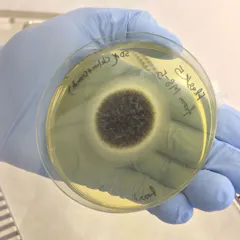
When it comes to fighting antimicrobial resistance, most of the focus is on bacteria. But we’d be foolish to forget about fungi.

A critical part of attaining universal health coverage is access to published research.
African leaders need to up their health allocations to help the new World Health Organisation Director-General meet his health care targets for the continent.
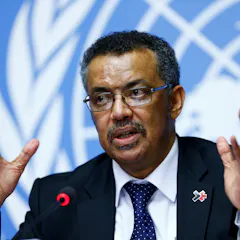
The new director-general of the World Health Organisation has set universal health coverage as a priority. There are several ways to make headway with this goal.

Urban green spaces are most effective at delivering their full range of health, social and environmental benefits when physical improvement of the space is coupled with social engagement.
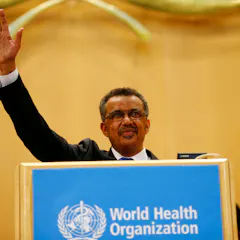
There are a number of challenges that the World Health Organisation’s new leader, Ethiopian-born Tedros Ghebreyesus, will have to navigate during his tenure.

More of us are labelled as sick with the constantly changing diagnostic cut-offs for diseases. Now an international expert panel has drafted a list of things to consider before setting new thresholds.

The person who takes office on July 1 2017 will have significant impact on the organisation, and on all of global health.

Malaria in South Africa is close to being eliminated but to complicate matters scientists have identified a second mosquito transmitting the disease.

European countries are among the most sceptical of vaccinations – so how do they stay on top of the problem?

An active outbreak of a type of bird flu in China raises concerns about worldwide pandemics. Ebola and Zika viruses still threaten. Here’s why this is not the time to cut funding.
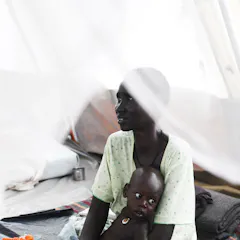
Tuberculosis transmitted from animals to humans is a growing concern in poor countries. As we observe World Tuberculosis Day, it’s worth asking why.
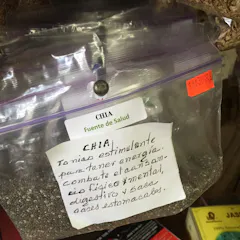
Many Latino immigrants feel comfortable with traditional medicine approaches at their local botánica. These might provide a helpful bridge in providing treatment to large groups of people.
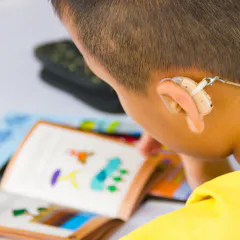
Deafness is a huge burden for economies and individuals. This is particularly true in developing countries. Solutions need to take into account not just costs, but the rights of individuals too.

Female genital mutilation is largely hidden in Australia and other high-income countries. But the United Nations says it is a global concern – and our research found it does affect girls here.

The reality is that the move to introduce a sugar tax in South Africa is necessary because of the scourge of non-communicable diseases and obesity in the country.

South Africa lacks a clear definition of disability – and its limited view of who should be regarded as having a disability in the labour market is at odds with international practice.
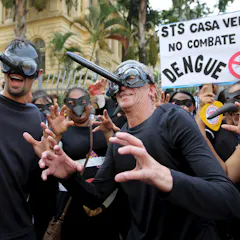
Emerging research suggests that preexisting immunity to dengue virus, which is endemic in South America, could make a subsequent Zika infection worse.
Top contributors
-

Associate professor, University of Sydney
-
Fellow, Nigerian Academy of Science
-
Associate Principal Research Fellow, Burnet Institute
-
Professor of Global Biosecurity, NHMRC L3 Research Fellow, Head, Biosecurity Program, Kirby Institute, UNSW
-
Professorial Fellow, University of Canberra
-
Professor of Sociology, USC Dornsife College of Letters, Arts and Sciences
-
Professor and Tier 1 Canada Research Chair in Global Health Governance; Scientific Co-Director, Bridge Research Consortium, Simon Fraser University
-
Professor of Law, University of Waikato
-
Professor of Public Health, La Trobe University
-
Professor of Global Health and Director, O'Neill Institute, Georgetown University
-
Senior Research Fellow in Global Health, University of Southampton
-
Senior Research Scientist, African Population and Health Research Center
-
Professor, Paediatrics and Child Health, UNSW
-
Director of Koi Tū, the Centre for Informed Futures; former Chief Science Advisor to the Prime Minister of New Zealand, University of Auckland, Waipapa Taumata Rau
-
Canada Research Chair of Epidemiology & Global Health, McGill University