
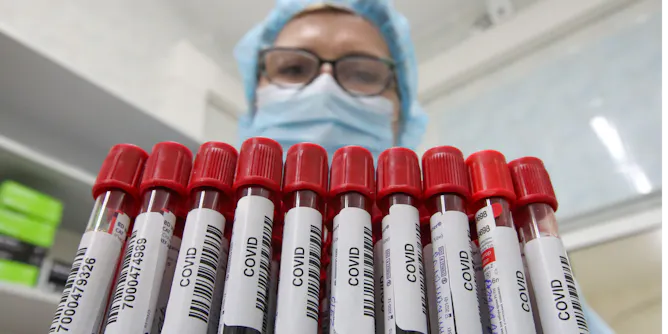
The World Health Organization has created more memorable and less stigmatising names for coronavirus variants.
Articles on World Health Organization (WHO)
Displaying 201 - 220 of 491 articles
South Africa’s approach to smoking doesn’t adequately support current smokers who want to quit.
Even where vaccines are available, one barrier to progress is vaccine hesitancy: the reluctance or refusal to vaccinate.

If there ever was a global health system, then it has gone sadly missing when we needed it most.
The first few months of 2020 were critical to the World Health Organization’s response to COVID-19. But the latest report into what happened wasn’t all damning.
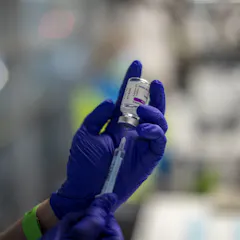
The change in the US position signals how clearly the success of every country in fighting the pandemic depends on vaccinating the whole world.
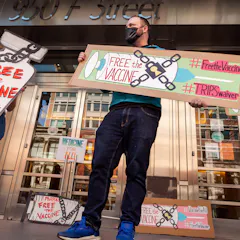
It’s not clear whether the TRIPS agreement is what’s getting in the way of vaccine supply, and waiving intellectual property rights may stifle future innovation.
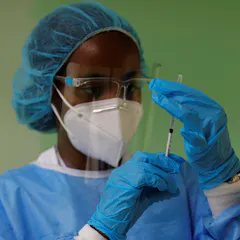
COVAX, the global vaccine distribution initiative, is well behind its goal of delivering 2 billion doses this year due to under-investment, vaccine nationalism and export restrictions.
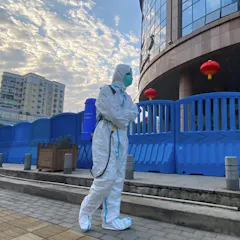
We need to re-analyse data from China and look further afield if we are to have a more complete picture of what happened in 2019. Just keep the politics out of it.

A game world is an immersive fantasy world that is created with the intention of promoting interaction with its environment.
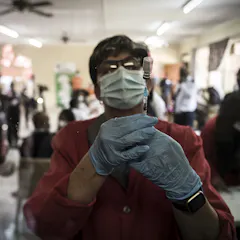
Australia has joined a handful of countries resisting a push to relax intellectual property rules related to COVID vaccines.
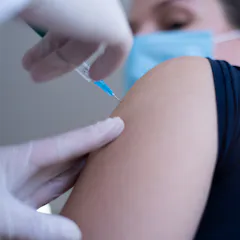
Decades of experience with influenza offers insights into how we should handle new SARS-CoV-2 variants, and the threat they pose to vaccine effectiveness.
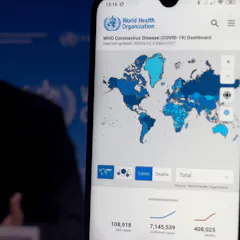
A transcript of episode six of The Conversation Weekly podcast, including a round-up editors on the coronavirus situation around the world.
Plus a round-up of the coronavirus situation around the world marking one year since COVID-19 was declared a pandemic. Listen to Episode 6 of The Conversation Weekly.

Shoring up surveillance and response systems and learning lessons from how the COVID-19 pandemic unfolded will help the world be ready the next time around.
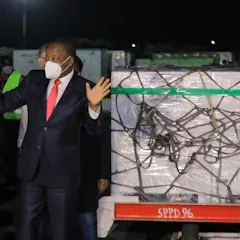
Reaching the goals of the plan requires the best possible interaction between public and private -for profit and not-for-profit - healthcare sectors.
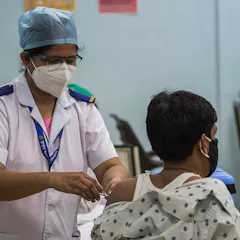
A waiver may not allow all developing countries to secure medicines and other anti-COVID technologies in a timely way.

Much has been said of the politics surrounding the mission to investigate the viral origins of COVID-19. So it’s easy to forget that behind these investigations are real people.
The anti-vaccine movement is the product of a structural problem, reflecting a lack of trust in the existing global vaccine governance.
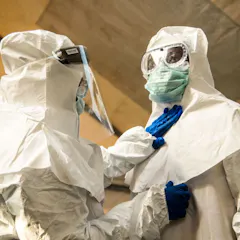
Countries in the West Africa region are in a very different position to seven years ago. They now have the experience of the past as well as new tools to tackle Ebola.
Top contributors
-

Associate professor, University of Sydney
-
Fellow, Nigerian Academy of Science
-
Associate Principal Research Fellow, Burnet Institute
-
Professor of Global Biosecurity, NHMRC L3 Research Fellow, Head, Biosecurity Program, Kirby Institute, UNSW
-
Professorial Fellow, University of Canberra
-
Professor of Sociology, USC Dornsife College of Letters, Arts and Sciences
-
Professor and Tier 1 Canada Research Chair in Global Health Governance; Scientific Co-Director, Bridge Research Consortium, Simon Fraser University
-
Professor of Law, University of Waikato
-
Professor of Public Health, La Trobe University
-
Professor of Global Health and Director, O'Neill Institute, Georgetown University
-
Senior Research Fellow in Global Health, University of Southampton
-
Senior Research Scientist, African Population and Health Research Center
-
Professor, Paediatrics and Child Health, UNSW
-
Director of Koi Tū, the Centre for Informed Futures; former Chief Science Advisor to the Prime Minister of New Zealand, University of Auckland, Waipapa Taumata Rau
-
Canada Research Chair of Epidemiology & Global Health, McGill University