
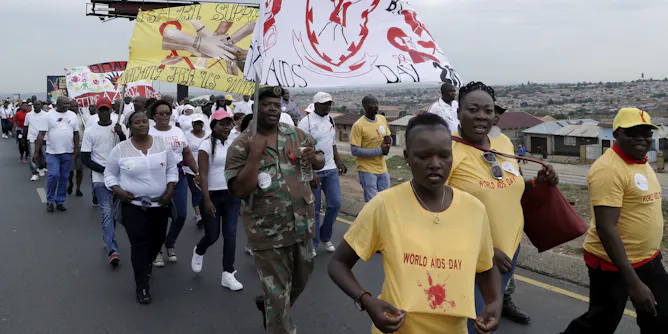
Babies born with the HIV virus in their blood are at a turning point in the infection. With immediate treatment these children can develop much stronger immune systems to fight the virus.
Articles on World Health Organization (WHO)
Displaying 301 - 320 of 491 articles
Ageing is a disease and one that will increasingly be treatable.

It’s imperative that there’s research into the nature, extent, mobility and consequences of antibiotic resistance.
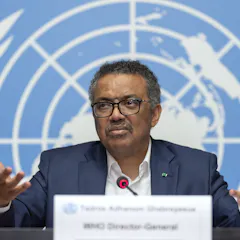
The web or network of exposed people can quickly grow from one case if steps aren’t taken early to avoid further onward transmission.
We need to investigate the overall health effects of vaccines.
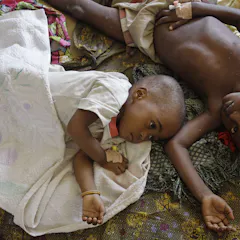
There’s a big market for new treatments for TB, malaria and other ailments. But most of these diseases afflict low-income people unable to pay for medicine.

Local communities are wary of the sudden arrival of outsiders and of their interest in regions where there’s been violence for years
Timing is everything when it comes to making a decision about declaring a disease outbreak a public health emergency of international concern.

Recommended salt intake levels should be lowered further, despite previous contradictory research.
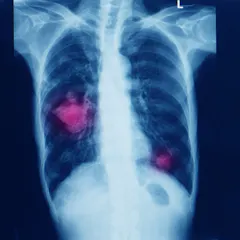
It seems like an easy question, until you take a closer look. Then things get messy.
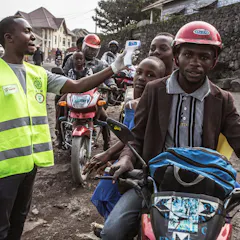
Ebola has now now spread to Goma – a city of 2m people.
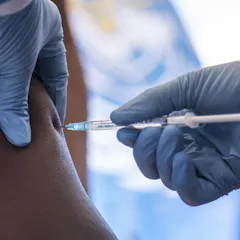
The threat posed by measles is on the rise again in a number of countries in the world. One of them is the Democratic Republic of the Congo.
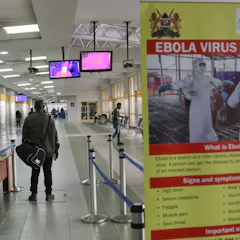
Kenya appears prepared for Ebola outbreaks, but a lot more can be done.
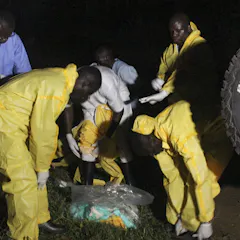
Ebola is difficult to contain because of human social and behavioural factors. But it can be if 100% of the infected people’s contacts are identified and monitored.

Monasticism developed in part because people were seeking the solace of quiet places But finding solitude was a struggle. And many realized that true silence could be found only within.

The World Health Organisation has classified gaming disorder as an addiction. But it involves more than just playing videogames for hours on end. Here’s how to spot it and what you can do about it.
The data suggest that boys experience as much disadvantage as girls.

To defend traditional Italian products such as meats and cheeses – delicious, but often high in fat and salt – the country’s government has launched an intense lobbying campaign to fight nutrition labels.

World Health Organisation guidelines on screen time lack nuance.
Malaria is prevalent in developing countries. Epigenetics may be the key to finding its Achilles heel.
Top contributors
-

Associate professor, University of Sydney
-
Fellow, Nigerian Academy of Science
-
Associate Principal Research Fellow, Burnet Institute
-
Professor of Global Biosecurity, NHMRC L3 Research Fellow, Head, Biosecurity Program, Kirby Institute, UNSW
-
Professorial Fellow, University of Canberra
-
Professor of Sociology, USC Dornsife College of Letters, Arts and Sciences
-
Professor and Tier 1 Canada Research Chair in Global Health Governance; Scientific Co-Director, Bridge Research Consortium, Simon Fraser University
-
Professor of Law, University of Waikato
-
Professor of Public Health, La Trobe University
-
Professor of Global Health and Director, O'Neill Institute, Georgetown University
-
Senior Research Fellow in Global Health, University of Southampton
-
Senior Research Scientist, African Population and Health Research Center
-
Professor, Paediatrics and Child Health, UNSW
-
Director of Koi Tū, the Centre for Informed Futures; former Chief Science Advisor to the Prime Minister of New Zealand, University of Auckland, Waipapa Taumata Rau
-
Canada Research Chair of Epidemiology & Global Health, McGill University