
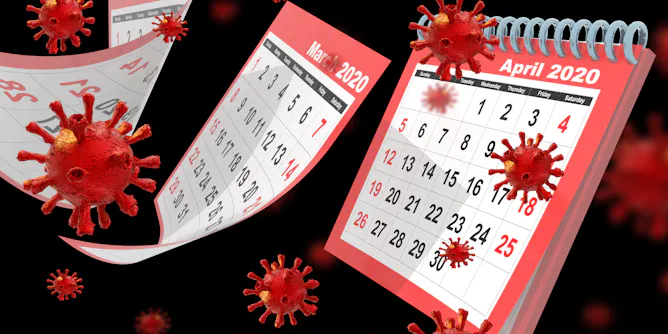
A lot has happened since the WHO declared the coronavirus outbreak a pandemic. A portrait in data highlights trends in everything from case counts, to research publications, to variant spread.
Articles on World Health Organization (WHO)
Displaying 181 - 200 of 491 articles
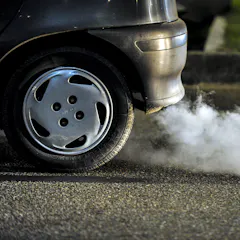
Fine particles in air pollution contribute to the deaths of 36,000 people each year in the UK.
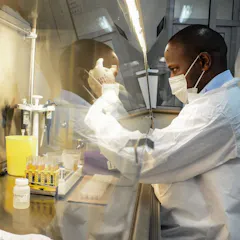
Countries must be encouraged to distribute essential healthcare provision - like diagnosis - to where people most need them and where they can be accessed more easily.
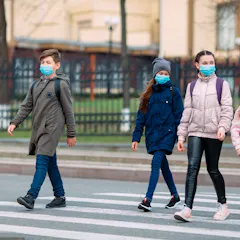
The NSW plan doesn’t measure up against international best practice. And Victoria doesn’t seem to be following a child-centred approach either.
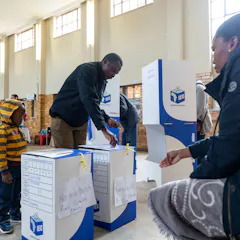
The right to free and fair elections may be undermined if political parties cannot campaign due to COVID-19 restrictions by the state.

More funding is needed to galvanise
Nigeria’s health system as medical research is not well funded.

South Africa needs to ensure regulations on formula foods for babies are enforced.

There are two ways to look at it: self-interest versus altruism.
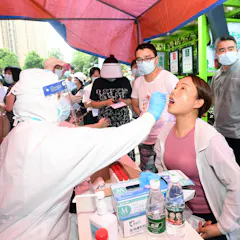
Why the argument that authoritarian regimes are better at handling pandemics isn’t that simple.
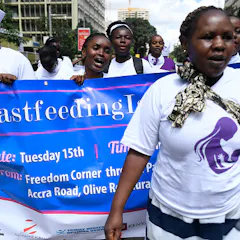
Provision of breastfeeding support and information within the community can lead to a significant increase in exclusive breastfeeding rates.
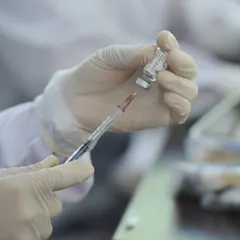
Combating vaccine misinformation on social media requires blocking sources of misinformation – and giving researchers access to data about how misinformation spreads.

As Los Angeles County again mandates masking indoors – even for the fully vaccinated – local health officials in the U.S. are closely eyeing their own COVID-19 vaccination and infection rates.
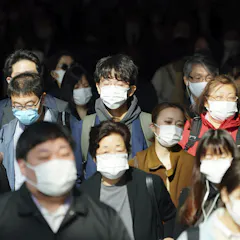
Let’s make one thing perfectly clear — nothing short of people’s lives are at stake at the Tokyo Olympics. No amount of money can justify a single preventable death.
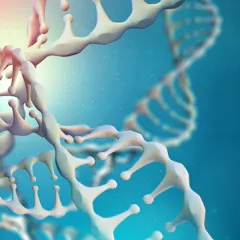
Scientists have been eager to edit genomes to eliminate certain diseases. New WHO reports outlines ethical approaches to research and treatment.

The strong disapproval of the South African government’s handling of the pandemic is a warning that crafting persuasive pro-vaccine messages is not enough.
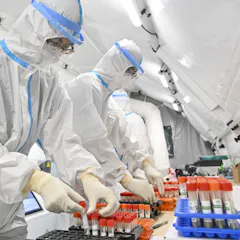
There are several earlier examples of people studying infectious pathogens being infected in the laboratory, even while working under strict biosafety conditions.

Around the globe, 823,000 child deaths could be prevented annually with appropriate breastfeeding. Formula makers continue to defy a 40-year-old international code on marketing their product.

The inefficient vaccine allocation rules currently in place must be replaced by new cooperative institutional structures and more concrete steps by the Group of Twenty (G20) countries.
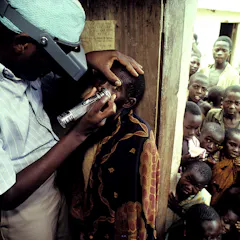
The Gambia’s success in eliminating trachoma means that resources previously allocated to combating the disease can now be reallocated to other public health conditions
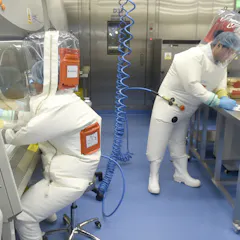
Does it matter where COVID came from? In the ongoing war of words between the US and China, the answer is a resounding ‘yes’.
Top contributors
-

Associate professor, University of Sydney
-
Fellow, Nigerian Academy of Science
-
Associate Principal Research Fellow, Burnet Institute
-
Professor of Global Biosecurity, NHMRC L3 Research Fellow, Head, Biosecurity Program, Kirby Institute, UNSW
-
Professorial Fellow, University of Canberra
-
Professor of Sociology, USC Dornsife College of Letters, Arts and Sciences
-
Professor and Tier 1 Canada Research Chair in Global Health Governance; Scientific Co-Director, Bridge Research Consortium, Simon Fraser University
-
Professor of Law, University of Waikato
-
Professor of Public Health, La Trobe University
-
Professor of Global Health and Director, O'Neill Institute, Georgetown University
-
Senior Research Fellow in Global Health, University of Southampton
-
Senior Research Scientist, African Population and Health Research Center
-
Professor, Paediatrics and Child Health, UNSW
-
Director of Koi Tū, the Centre for Informed Futures; former Chief Science Advisor to the Prime Minister of New Zealand, University of Auckland, Waipapa Taumata Rau
-
Canada Research Chair of Epidemiology & Global Health, McGill University