

In places around the world that lack restrictions to combat the problem, tobacco companies are using marketing strategies aimed at children, like displaying tobacco products at kids’ eye level.
Articles on World Health Organization (WHO)
Displaying 141 - 160 of 491 articles

Most cases in the current global outbreak are occurring among men who have sex with men. So how can this group and others who are at risk protect themselves?
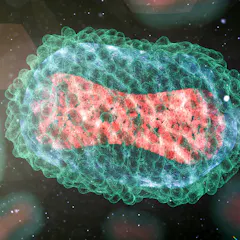
By late July 2022, monkeypox was present in more than 70 countries with significant spread in certain communities. As a result, the World Health Organization began taking steps to fight the virus.

To control monkeypox, there is a short window — weeks, not months — in which to vaccinate the most susceptible and to encourage and support self-isolation for those who have symptoms.
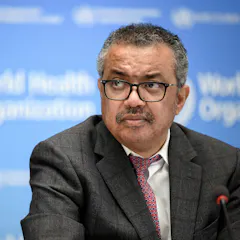
Cases may be stabilising but this could be the dip before a new wave.
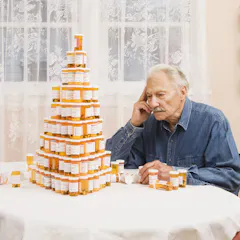
Believe it or not, medication names are intended to be easy to remember and descriptive of the function they serve in the body.

Only 15.8% of the population in low-income countries is double-dosed. Vaccine hoarding by high income countries is to blame.
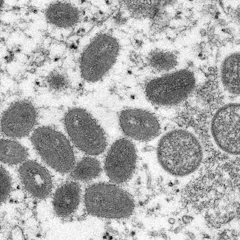
The monkeypox virus, which is commonly found in West and Central Africa, is now causing many infections in the U.S., Europe and Latin America.

Monkeypox has spread to more than 50 countries and will continue to be monitored. Here’s what we know about monkeypox so far and what researchers want to find out.

Kenya should improve access to life saving vaccines, and train healthcare workers on patient management and best practices.

The WHO has released a major report on assistive technology. It says almost 1 billion children and adults can’t get the glasses, wheelchairs, technology, devices or other supports they need.

Prescription opiods, stimulants such as those used to treat ADHD and the ingredients found in sexual dysfunction drugs like Viagra are some of the drugs that are being marketed to US consumers.
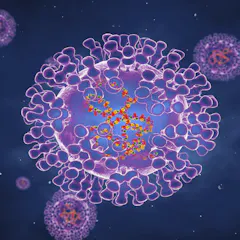
Nigeria must step up its preparedness for mpox.
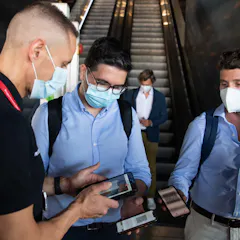
Many countries are winding back COVID-19 restrictions, but governments should be continuing to promote the importance of voluntary mask use and catching up outdoors.

Kenya wants parents to be able to make more informed choices about feeding their babies.

Mental health problems are major indirect consequences of armed conflicts and can have short-term and long-term effects on people.

Western pharmaceutical companies can’t stop supplying essential medicines to Russia, but they can cease other business.

The country’s urban centres where unvaccinated people live in crowed settlements are key risk areas.
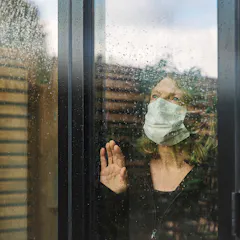
The CDC’s controversial recommendation changes are based on new studies showing that most omicron transmission takes place within five days of the onset of illness.

Life-saving blood is needed for everything from treating cancers and chronic conditions to helping trauma victims. But blood donations have dropped to crisis levels during the pandemic.
Top contributors
-

Associate professor, University of Sydney
-
Fellow, Nigerian Academy of Science
-
Associate Principal Research Fellow, Burnet Institute
-
Professor of Global Biosecurity, NHMRC L3 Research Fellow, Head, Biosecurity Program, Kirby Institute, UNSW
-
Professorial Fellow, University of Canberra
-
Professor of Sociology, USC Dornsife College of Letters, Arts and Sciences
-
Professor and Tier 1 Canada Research Chair in Global Health Governance; Scientific Co-Director, Bridge Research Consortium, Simon Fraser University
-
Professor of Law, University of Waikato
-
Professor of Public Health, La Trobe University
-
Professor of Global Health and Director, O'Neill Institute, Georgetown University
-
Senior Research Fellow in Global Health, University of Southampton
-
Senior Research Scientist, African Population and Health Research Center
-
Professor, Paediatrics and Child Health, UNSW
-
Director of Koi Tū, the Centre for Informed Futures; former Chief Science Advisor to the Prime Minister of New Zealand, University of Auckland, Waipapa Taumata Rau
-
Canada Research Chair of Epidemiology & Global Health, McGill University