
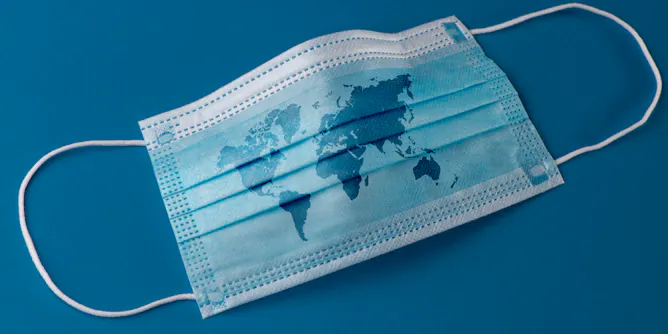
As negotiations for an international pandemic treaty get underway, public engagement is in the best interests of Canadians. Here is how the federal government is consulting affected populations.
Articles on World Health Organization (WHO)
Displaying 121 - 140 of 491 articles
My research shows how international and civil wars have significantly increased infant mortality rates around the world.

The WHO first described COVID as a pandemic on March 11, 2020. Where are we at, three years later?
As much as we don’t want it to be, as much as it is off the front pages, COVID is still very much with us. We can end this pandemic, if we choose to.

Dangerous fungal infections are on the rise globally. But we have few drugs that work and no prospect of anti-fungal vaccines any time soon.
We’re moving towards the ‘disease control’ phase of our response to COVID, which means learning to live with the virus. But significant challenges remain as authorities battle COVID fatigue.
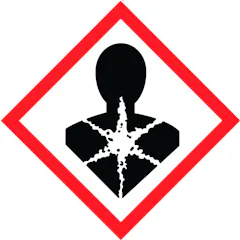
The WHO’s International Agency for Research on Cancer convenes a panel of scientific experts to review available evidence on whether specific chemicals or occupational exposures may cause cancer.

China have been overestimated or deaths have been underestimated. Whatever the case, China’s massive COVID surge and expected Lunar New Year travel could raise risks for other countries.
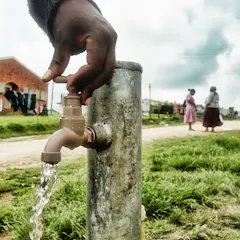
Cholera has persisted longer in Africa largely due to worsening hygiene and sanitation situations in urban areas.

An effective nasal vaccine could stop the virus that causes COVID-19 right at its point of entry. But devising one that works has been a challenge for researchers.
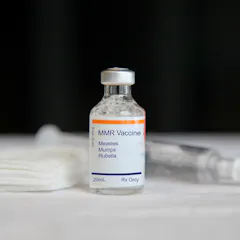
Many children have missed a measles vaccine dose since the start of the COVID pandemic.

DDT accumulates in wildlife and magnifies up the food chain. Birds of prey occupy the top of these food chains in various ecosystems.
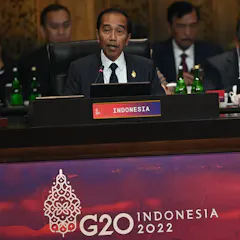
As the climate crisis worsens, and after being ravaged by the COVID-19, it is paramount for Indonesia and G20 countries to strengthen global pandemic preparedness and climate action.
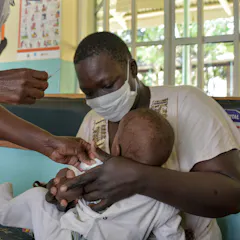
For a malaria vaccine to have an impact, health promotion is key. Awareness campaigns must address safety concerns and emphasise expected positive impacts.

Collaboration and good working relationships are crucial for community-based ambulance services to work.
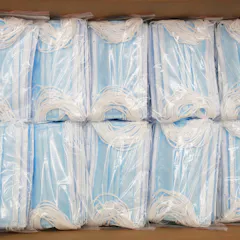
During COVID, rich countries have used masks and gloves from their medical stockpiles. But not all countries are so fortunate. We found the best way to help. It may not be what you think.
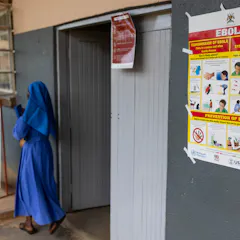
As with Ebola, it is often only when the harm is done that people working on the response realise health emergencies disproportionately harm women.
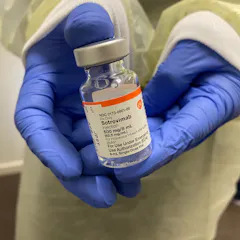
This guidance replaces previous conditional recommendations for the use of these drugs and is based on emerging evidence that they’re not likely to work against omicron.
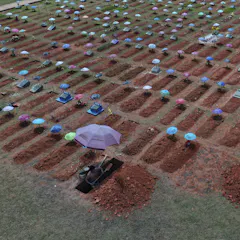
We found most governments were ill-prepared, too slow to act, paid too little attention to the most vulnerable, and were hampered by low public trust and an epidemic of misinformation.
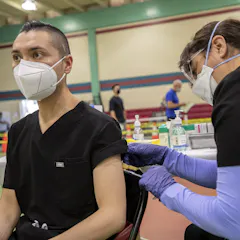
As monkeypox vaccination programs roll out and health authorities work to reduce the spread of the virus, progress is lagging on renaming it.
Top contributors
-

Associate professor, University of Sydney
-
Fellow, Nigerian Academy of Science
-
Associate Principal Research Fellow, Burnet Institute
-
Professor of Global Biosecurity, NHMRC L3 Research Fellow, Head, Biosecurity Program, Kirby Institute, UNSW
-
Professorial Fellow, University of Canberra
-
Professor of Sociology, USC Dornsife College of Letters, Arts and Sciences
-
Professor and Tier 1 Canada Research Chair in Global Health Governance; Scientific Co-Director, Bridge Research Consortium, Simon Fraser University
-
Professor of Law, University of Waikato
-
Professor of Public Health, La Trobe University
-
Professor of Global Health and Director, O'Neill Institute, Georgetown University
-
Senior Research Fellow in Global Health, University of Southampton
-
Senior Research Scientist, African Population and Health Research Center
-
Professor, Paediatrics and Child Health, UNSW
-
Director of Koi Tū, the Centre for Informed Futures; former Chief Science Advisor to the Prime Minister of New Zealand, University of Auckland, Waipapa Taumata Rau
-
Canada Research Chair of Epidemiology & Global Health, McGill University