

Using centuries of indigenous knowledge along with modern healthcare could benefit more people.
Articles on World Health Organization (WHO)
Displaying 101 - 120 of 491 articles

An expert panel found a potential association with liver cancer, but too little research exists to assume a causal connection. For now, the WHO left current consumption guidelines unchanged.

Too busy to exercise during the week? The good news is that getting moving on the weekend appears to be similarly good for your heart health.

IARC has listed the artificial sweetener aspartame as possibly cancer causing. Here’s how to digest the findings.
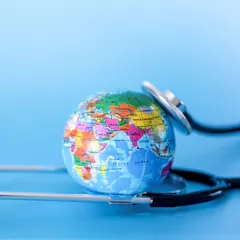
Recruiting internationally educated health workers is a key part of Canada’s proposed solution to the health worker crisis. But there are ethical questions about recruiting from foreign countries.
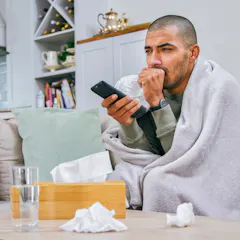
Tuberculosis is a preventable and curable disease, yet before the pandemic, it killed more people than any other infectious disease.

Reports have indicated the artificial sweetener aspartame will be classified as ‘possibly carcinogenic to humans’ by the WHO. Here’s what that means – and doesn’t mean.
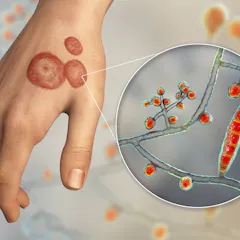
An aggressive, antifungal-resistant form of tinea, a contagious ringworm fungal infection, has appeared in the US, likely driven by overuse and misuse of antifungal medications.

This isn’t the first time a ban on junk food advertising has been floated. But there is are good reasons to support a new push.
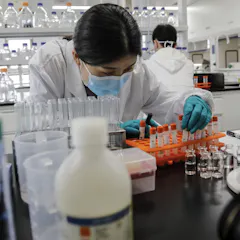
There are many complex reasons why an international investigation would be difficult both diplomatically and practically.

The WHO report concluded that habitual use of nonsugar sweeteners is linked to a modest increase in diabetes, hypertension and stroke. But the research it’s based on has limitations.
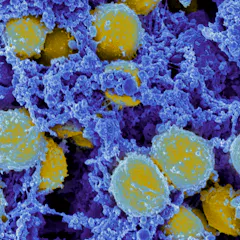
Drug-resistant microbes are a serious threat for future pandemics, but the new draft of the WHO’s international pandemic agreement may not include provisions for antimicrobial resistance.

Here’s what the new WHO guidelines mean for people who have switched to artificial sweeteners for health reasons.
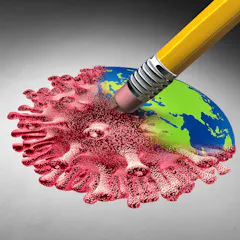
After previous public health emergencies likes SARS and H1N1, there was renewed investment in pandemic preparedness, but it was not sustained. We cannot make the same mistake after COVID-19.

The pandemic caused untold suffering around the world. It also created a new type of community solidarity rarely seen before. As we enter the post-pandemic era we must maintain that solidarity.

The emergency status allowed the federal government to cut through a mountain of red tape, with the goal of responding to the pandemic more efficiently.

Precautions taken in response to COVID-19 explain some but not all of the recent long delays in getting a passport.

COVID no longer constitutes a public health emergency of international concern, but we need to be better prepared for future pandemics.

The American Academy of Pediatrics has recently released new obesity management guidelines in order to help address the growing obesity crisis in children.
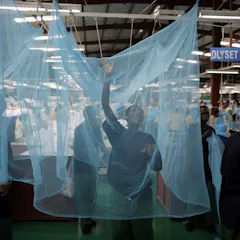
There have been disruptions. But national malaria control programmes have shown impressive resilience.
Top contributors
-

Associate professor, University of Sydney
-
Fellow, Nigerian Academy of Science
-
Associate Principal Research Fellow, Burnet Institute
-
Professor of Global Biosecurity, NHMRC L3 Research Fellow, Head, Biosecurity Program, Kirby Institute, UNSW
-
Professorial Fellow, University of Canberra
-
Professor of Sociology, USC Dornsife College of Letters, Arts and Sciences
-
Professor and Tier 1 Canada Research Chair in Global Health Governance; Scientific Co-Director, Bridge Research Consortium, Simon Fraser University
-
Professor of Law, University of Waikato
-
Professor of Public Health, La Trobe University
-
Professor of Global Health and Director, O'Neill Institute, Georgetown University
-
Senior Research Fellow in Global Health, University of Southampton
-
Senior Research Scientist, African Population and Health Research Center
-
Professor, Paediatrics and Child Health, UNSW
-
Director of Koi Tū, the Centre for Informed Futures; former Chief Science Advisor to the Prime Minister of New Zealand, University of Auckland, Waipapa Taumata Rau
-
Canada Research Chair of Epidemiology & Global Health, McGill University