
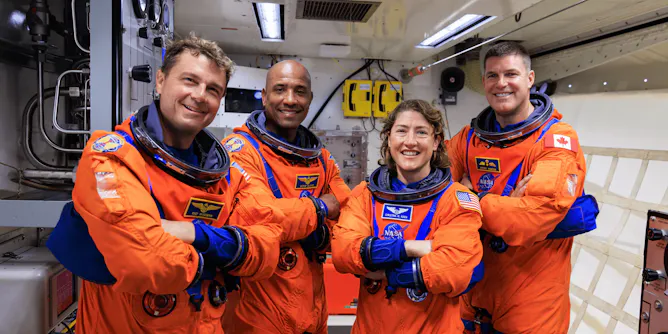
Victor Glover will become the first Black astronaut to orbit the Moon – but he is part of a long line of Black explorers, many forgotten through history. New research is giving York his due.
Articles on Space
Displaying 81 - 100 of 1109 articles

Curiosity and an openness to new ideas help Ryland Grace, the movie’s protagonist, navigate new discoveries about life in the universe.
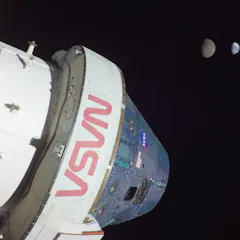
NASA’s Artemis II mission took decades of policymaking, engineering and financial support.
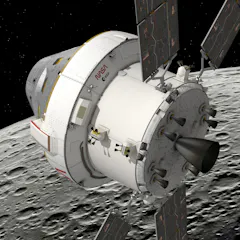
Sustained lunar exploration remains a challenge for modern democracies.
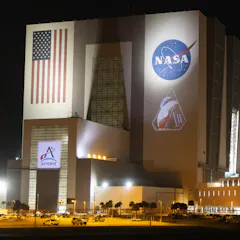
It’s about more than just beating China. As a space lawyer puts it, a Moon base would come with strategic, economic and scientific advantages.

A chemical signature in a lunar rock offers new insights into what early oxygen conditions were like on the Moon.
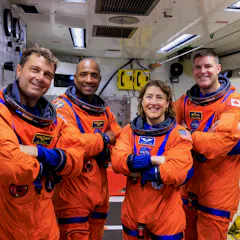
Space is extremely dangerous, but people can still do more than robotic explorers can – in terms of technical achievements and inspiring public interest.
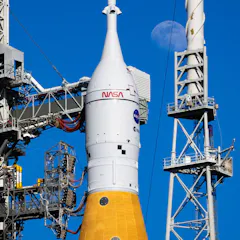
Scott Pace, the head of the National Space Council during the first Trump administration, talks to The Conversation Weekly podcast about the launch of Artemis II crewed mission round the Moon.
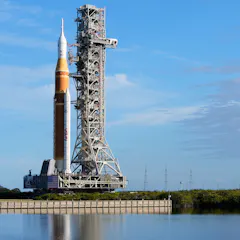
Artemis II will test the life control systems on the Orion spacecraft and, if all goes well, take a trip around the Moon.
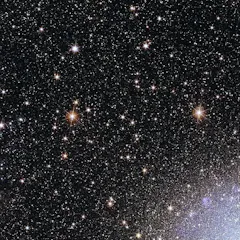
The fictional biologist in ‘Project Hail Mary’ claims that potential alien organisms might not be made of carbon or require water, unlike life on Earth.

AI could help astronomers crunch the vast amounts of data produced by a new observatory.
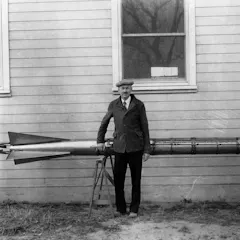
From World War II to the Apollo era, the space shuttle program and today’s privately developed commercial rockets, the landscape of spaceflight has changed dramatically.

Ghost particles from ancient stellar explosions could be detected for the first time this year.
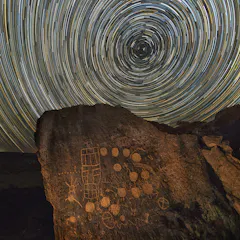
From Earth spinning on its axis and orbiting the Sun to it precessing like a top, lots of factors affect which stars you can see in the sky.
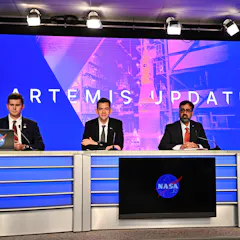
Artemis II has been plagued by similar issues to those faced by its predecessor, leading NASA to shake up its plan to return humans to the Moon.
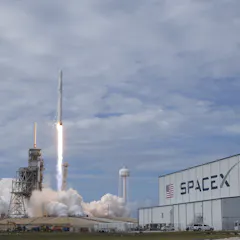
What does it mean for national security if access to Earth’s orbit depends largely on one company?
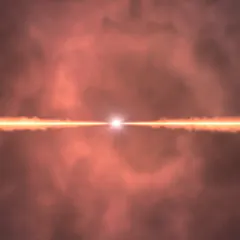
Astronomers captured the clearest example yet of one of these hidden explosions.
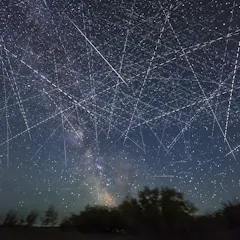
Planned ‘megaconstellations’ of satellites could cause unforeseen harm to the ozone layer and climate systems. Global regulation is needed before it’s too late.
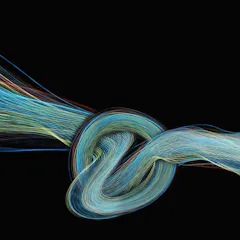
A mathematician explains hypercubes and the rules of life in higher dimensions.
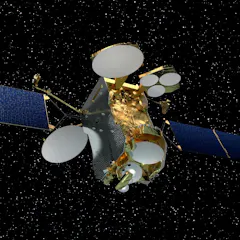
Two Russian satellites appear to have been shadowing European spacecraft in Earth orbit.
Top contributors
-

University Distinguished Professor of Astronomy, University of Arizona
-
Professor of Strategy and Security Studies, Air University
-
Professor of Planetary and Space Sciences, The Open University
-
Professor (Astrophysics), University of Southern Queensland
-
Associate Professor in Archaeology and Space Studies, Flinders University
-
Associate Professor in Astronomy, Monash University
-
Emeritus Professor of International Law, Western Sydney University
-
Senior Lecturer in Physics, Nottingham Trent University
-
Reader in Astrophysics, Keele University
-
Associate Dean of Innovation and Engagement, Swinburne University of Technology
-
Associate Professor, Astronomy, University of Regina
-
Professor of Air and Space Law, University of Mississippi
-
Kevin Orrman-Rossiter is a Friend of The Conversation.
Sterrenkenner, History & Philosophy of Science, The University of Melbourne
-
Lecturer in Astronomy, Nottingham Trent University
-
Professor of Physics and Astronomy, USC Dornsife College of Letters, Arts and Sciences