
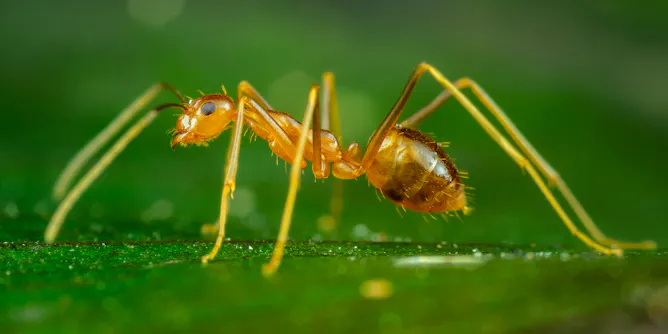
Biological invasions can severely harm the welfare of animals, causing them to suffer. AWICIS is a new framework that can be used to assess the severity of these impacts.
Articles on Invasive species
Displaying 21 - 40 of 391 articles
Without a national policy, the spread of smothering buffel grass will continue unchecked.

The kungaka represents an ancient lineage from when Australia was wetter. Today, it survives in a sheltered desert gorge.
Invasive alien species don’t only drive out other native species, they also dramatically transform soils, water and ecosystems. A new assessment tool aims to pinpoint the negative environmental impacts.

It’s not just wildlife that gets killed. Cats come off worse in road traffic accidents and fights when they roam.

As a dried plant product, illegal tobacco is a biosecurity risk in its own right. With tonnes of it arriving undetected, these tiny pests may be hitchhiking in too.

For years, Queensland authorities have been broadscale baiting fire ants. But the infestation is too big – and the baits wipe out rival species
Carp is a prized table fish in Europe but despised in Australia. How did we get here?
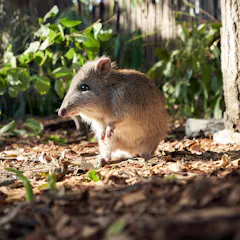
When feral cats are scarce, potoroos and bandicoots forage more freely, altering their behaviour and chances of survival.
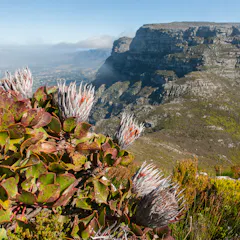
The latest checklist of Table Mountain flora shows that Cape Town is still a global hotspot for threatened flowering plants.
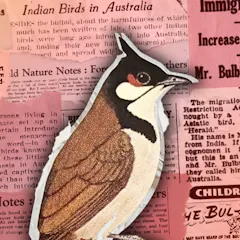
South Australian authorities are again on the hunt for the elusive red-whiskered bulbul. Does the xenophobia of the past still influence our attitudes today?
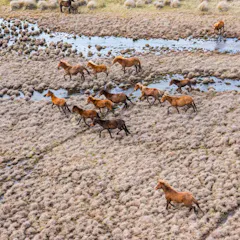
With feral horses gone, fragile alpine areas are no longer being trampled by hard hooves. But Kosciuszko’s landscapes will take decades to recover.
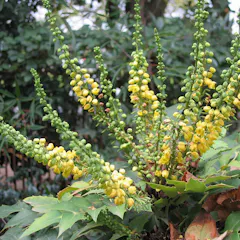
The people who manage America’s aquifers, wetlands, shorelines and recreation areas rely on federal science as they face new and rising risks in a changing climate.
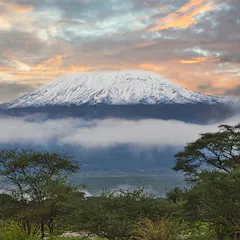
75% of Mount Kilimanjaro’s indigenous plants have been wiped out over the last century.
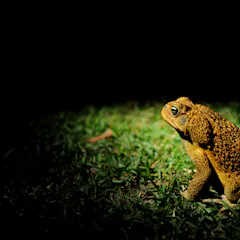
Cane toads will reach Broome in the next couple of years. Creating a waterless “containment zone” is the only way to stop them pillaging the Pilbara.

The Erie Canal solidified New York’s reputation as the Empire State, but it also opened up an expressway for invasive species to reach the Great Lakes.
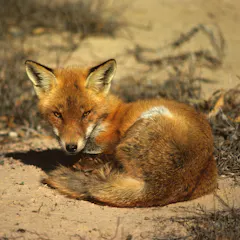
It only took 60 years for the red fox to spread across Australia. New research could prevent other invasive animals doing the same.

Globally important natural areas such as Ningaloo and Shark Bay have been hard hit in recent years. But Macquarie Island is recovering.
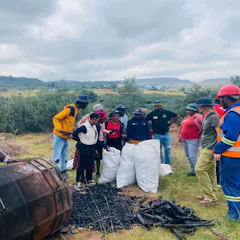
New research says invasive black wattle trees that are burnt as fuelwood in South Africa’s rural areas would be better turned into charcoal and useful wood products.
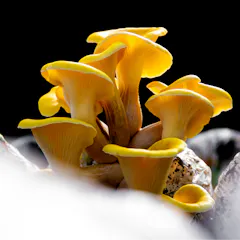
Kits that help people grow their own golden oyster mushrooms at home may be one reason this nonnative species is now spreading in the wild.
Top contributors
-

Professor in Wildlife Ecology and Conservation, School of Life & Environmental Sciences, Deakin University
-
Honorary Research Fellow, University of Sydney
-
Professor in Terrestrial Ecology, Deakin University
-
Professor in Evolutionary Biology, Macquarie University
-
Professor of Wildlife Conservation, University of Tasmania
-
Professor Emeritus in Terrestrial Ecology, University of Sydney
-
Professor in Environmental Science, Charles Darwin University
-
Professeur, UMR ISYEB (Institut de Systématique, Évolution, Biodiversité), Muséum national d’histoire naturelle (MNHN)
-
Director of the Wildlife Crime Research Hub, Australian Research Council Industry Laureate Fellow, Adelaide University
-
Professor of Conservation Biology, Charles Darwin University
-
Associate Professor, Global Ecology, University of Sydney
-
Research Director CSIRO Health & Biosecurity, CSIRO
-
Professor in Zoology, James Cook University
-
Lecturer in the School of Applied Sciences, Edinburgh Napier University
-
Adjunct Professor, The University of Western Australia