
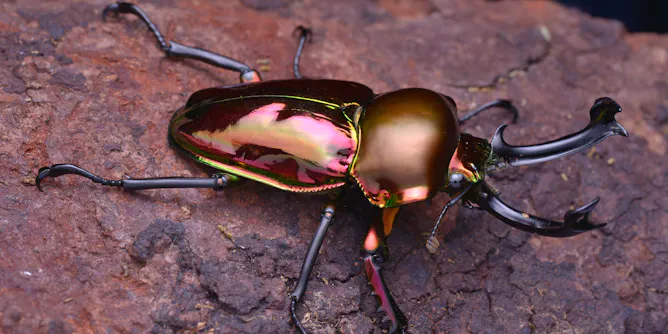
Summer is a great time to go beetle-watching in Australia. By protecting these dazzling insects, we can ensure they survive for future generations to enjoy.
Articles on Insects
Displaying 101 - 120 of 549 articles

Some 500,000 insect species are facing extinction. Poetry, fiction and nonfiction prose can help raise awareness of the essential roles these creatures play in our ecosystems.
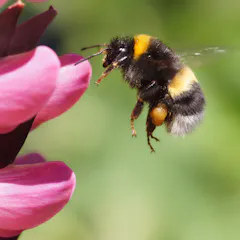
Those big bumble bees and wasps you might have seen in your garden are likely the queens preparing their nests and colonies for summer.
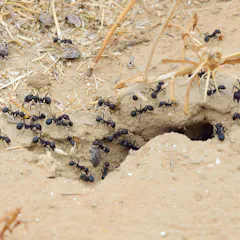
From bull ants to fire ants, several types of ants found in Australia can sting. While ant stings are painful, they will generally get better on their own.

Natural ‘plastic eaters’ could help in the fight against pollution in Africa.
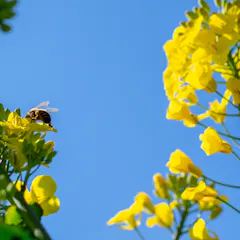
Our research shows this idea is likely to benefit bees more in summer than in spring.

If you’ve ever struggled with chores while your freeloading siblings looked on, you might relate to these tiny insects.

Have you heard the gruesome tale of flesh-eating fungus known as Cordyceps? It’s a real-life story of ghosts, mummies and zombies that springs to mind every Halloween.

New research highlights the flaws of pesticide regulation.

Be very afraid – if you’re an insect.
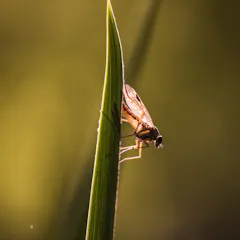
Midges may move in swarms but, unlike a lot of other animals that travel in large numbers, they try to keep their distance from each other.
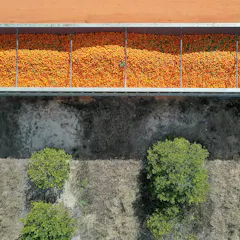
The promising compounda were discovered on an organic farm.
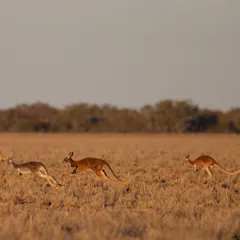
Have you ever paused to think about the athletic abilities of Australian wildlife? Let’s look at some of our best competitors and how might they fare in a contest against humans and overseas entrants.

Research finds that extensive feeding by invasive insects can cause trees to produce defense compounds, to the detriment of valued native insects.
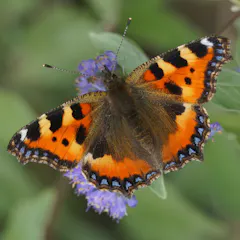
The Big Butterfly Count reported its worst results in 14 years of monitoring UK species.

All of a sudden, dragonflies are everywhere – but they’ve been waiting a long time for their chance to take to the air.

The benefits of leafy mistletoes for wintering arthropods include shelter from extreme weather and hungry birds as well as a more humid microclimate to avoid desiccation.

Scientists know why there aren’t as many wasps around this year - but we don’t have much data on what is happening long term.
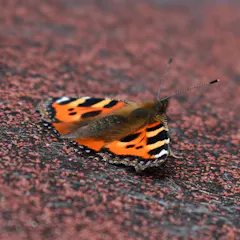
Butterflies bruised by rain and gales are hunkering down hoping for pleasant weather.

A recent study shows that carpenter ants have evolved amputation skills a cut above the rest of insects.
Top contributors
-

Associate Professor in Entomology, University of Sydney
-
Clinical Associate Professor, School of Medical Science & Sydney Infectious Diseases Institute; Principal Hospital Scientist, University of Sydney
-
Professor of Behavioural Ecology, UCL
-
Lecturer, School of Life and Environmental Sciences, University of Sydney
-
Director of the Australian National Insect Collection, CSIRO
-
Lecturer in Ecology, University of New England
-
Associate Professor, Department of Physiology, Monash University
-
Research Fellow, School of Biological Sciences, Monash University
-
Postdoctoral Researcher in Mycology, West Virginia University
-
Adjunct associate, CSIRO
-
Associate Professor, Ecology, Northumbria University, Newcastle
-
Senior Research Associate in Entomology, Lancaster University
-
Assistant Professor, Faculty of Agriculture, Dalhousie University
-
Senior Ecologist, University of Sydney
-
PhD Candidate in Zoology, University of Otago