
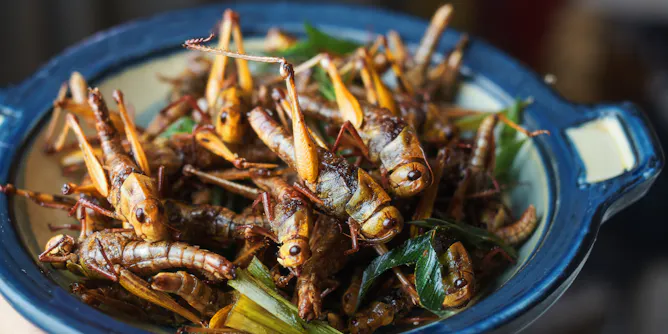
Africa’s indigenous foods may hold the key to a healthier, more sustainable future – if we choose to value them.
Articles on Insects
Displaying 81 - 100 of 549 articles

The fascinating fight for survival among Antarctica’s tiniest animals.

There’s no single, simple way to assess whether bugs feel pain, but research is giving scientists a better understanding of their abilities.

Flies are the most ecologically diverse and important migrant group. We just had no idea.
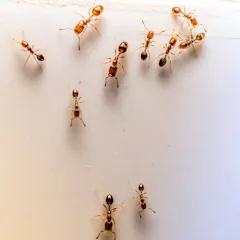
Ants outnumber humans by an almost unimaginable margin. There’s probably one near you right now.
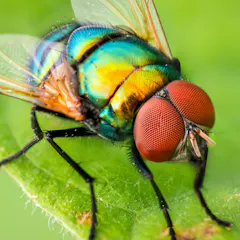
The number of insect species is mind-boggling – and they are a critical part of the environment.
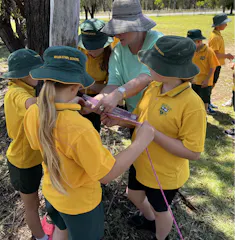
Citizen science project ‘Insect Investigators’ takes scientists to regional schools to teach students to track and identify insects.
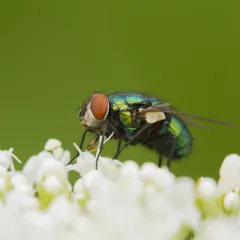
Next time you’re outside, say a silent thanks for the many unsung insect pollinators helping to keep our ecosystems healthy.

The causes involve more than just habitat loss, but there are steps you can take to help save these delicate creatures
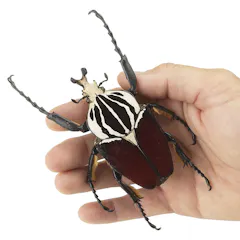
Two Goliath beetle species are in grave danger because cocoa farming has wiped out their forests and they’re being sold on the international dry insect market.
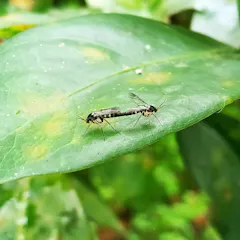
Mosquitoes cause around a million deaths per year. So, scientists are coming up with genetic engineering techniques that could lower their numbers.

Did you know you have a ‘mental number line’, from smallest to largest? Turns out, so do bees.
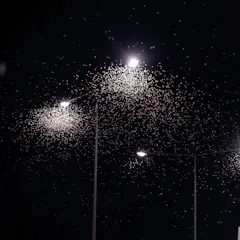
Artificial lights at night are causing serious disruption to these insect night shift workers. That’s a problem for everyone.
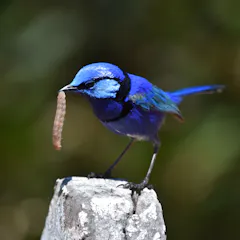
New research highlights the need for a broader approach to attracting fairy-wrens and other beloved birds to our gardens.
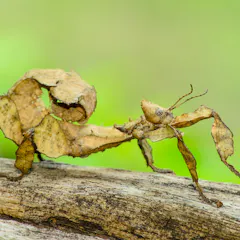
A variety of species across the animal kingdom can reproduce both sexually and asexually, including some types of starfish, water fleas, hammerhead sharks and Komodo dragons.
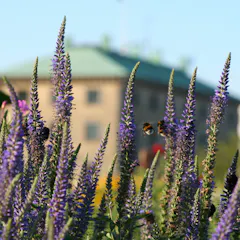
A biologist explains what to focus on if you’re designing a garden with pollinators in mind − and what you don’t need to worry about.

Bugs that buzz and flutter at other times of year are conspicuously absent during winter months.
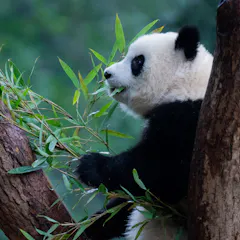
Rising carbon dioxide levels in the air are making plants grow larger and faster, but diluting their nutritional content. This could threaten the health of herbivores worldwide.
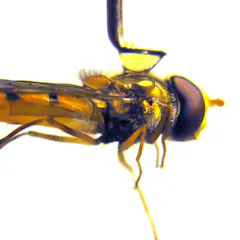
New research shows how hoverflies adapt so they can migrate extremely long distances.

A new study estimates there have been more than 9,000 Australian invertebrate extinctions since 1788. Only one has been officially listed.
Top contributors
-

Associate Professor in Entomology, University of Sydney
-
Clinical Associate Professor, School of Medical Science & Sydney Infectious Diseases Institute; Principal Hospital Scientist, University of Sydney
-
Professor of Behavioural Ecology, UCL
-
Lecturer, School of Life and Environmental Sciences, University of Sydney
-
Director of the Australian National Insect Collection, CSIRO
-
Lecturer in Ecology, University of New England
-
Associate Professor, Department of Physiology, Monash University
-
Research Fellow, School of Biological Sciences, Monash University
-
Postdoctoral Researcher in Mycology, West Virginia University
-
Adjunct associate, CSIRO
-
Associate Professor, Ecology, Northumbria University, Newcastle
-
Senior Research Associate in Entomology, Lancaster University
-
Assistant Professor, Faculty of Agriculture, Dalhousie University
-
Senior Ecologist, University of Sydney
-
PhD Candidate in Zoology, University of Otago