
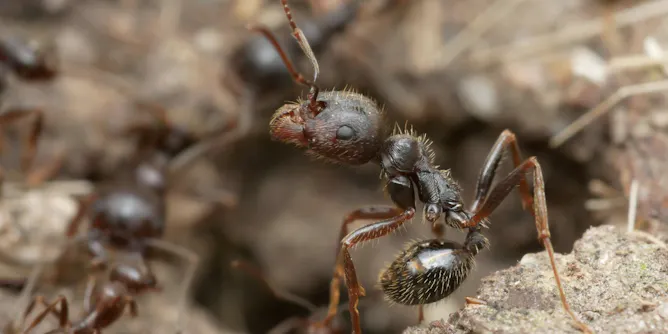
One ant mother raises two species under the same roof.
Articles on Insects
Displaying 61 - 80 of 549 articles
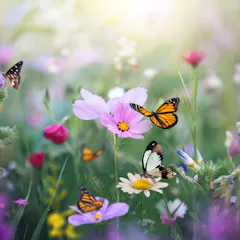
Uniquely colored flowers with big blooms might make for an aesthetically pleasing garden, but they can be unhelpful to pollinators. Careful consideration can help you plan a colorful and eco-friendly garden.
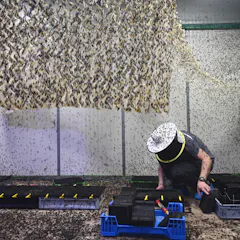
Considering how easily bird flu swept through chicken farms, it’s clear that domestication has downsides. Lessons from the past paired with modern genomic technology can help with farming insects.

Not only are weaver ants not plagued by a drop in teamwork efficiency, but they’re actually ‘superefficient’.

Cool autumns and dry springs could help earwig populations recover.
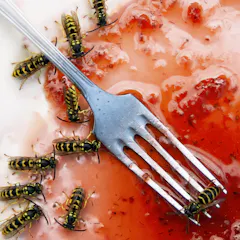
Did you know wasps switch from ham to jam foraging during the late summer?
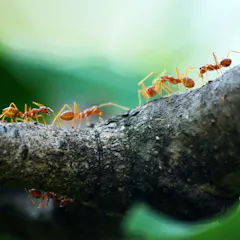
Ants may be tiny – but by working together they build complex societies and solve many problems. They might even teach humans a thing or two?
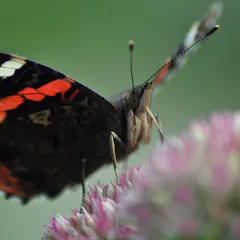
Following on from ‘the year without a butterfly’, 2025 has seen sightings soar in the UK and across Europe.
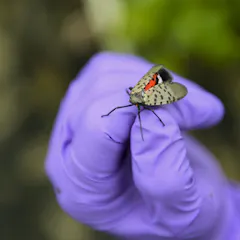
An entomologist describes how the sap-sucking insects can weaken grapevines and reduce fruit yield and quality.
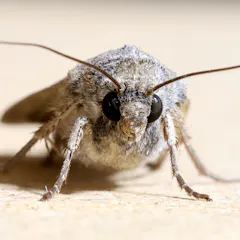
Australia’s iconic bogong moths are the first creatures other than humans and some birds known to navigate by the night sky.
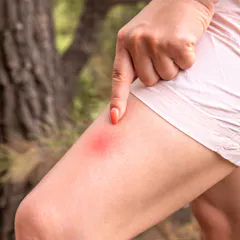
Bites and stings can have different symptoms, and may require treatment to prevent complications.
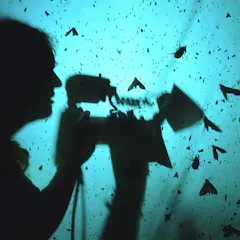
Miller moths migrate through the state every summer and are sometimes considered to be a pest.
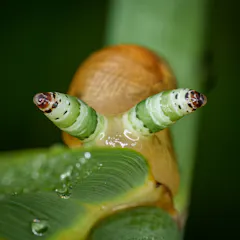
Parasites do creatively gruesome things to their host.

Fever isn’t necessarily a bad thing − it’s actually a useful response to infections.
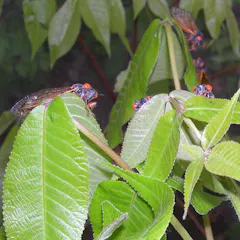
Two ecologists explain why a misleading map is worse than no map at all, and how they have worked for years to track the emergences of 13-year and 17-year cicadas.
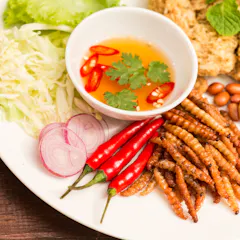
Insects are packed with high-quality protein, as well as good fats, vitamins and minerals like iron and zinc.
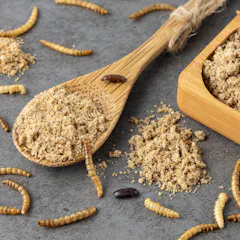
False claims that leaders in Europe want to force people to eat insects are meant to provoke fear.
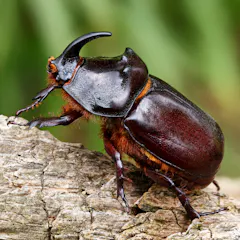
Wildlife trafficking extends to areas like ant smuggling and illegal trade

Insects are often under pressure from several threats at once, from pesticides to habitat loss to pollution.
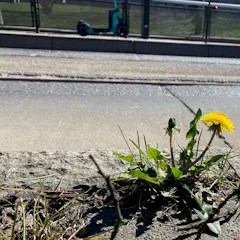
Here’s why those little yellow flowers are everywhere you look.
Top contributors
-

Associate Professor in Entomology, University of Sydney
-
Clinical Associate Professor, School of Medical Science & Sydney Infectious Diseases Institute; Principal Hospital Scientist, University of Sydney
-
Professor of Behavioural Ecology, UCL
-
Lecturer, School of Life and Environmental Sciences, University of Sydney
-
Director of the Australian National Insect Collection, CSIRO
-
Lecturer in Ecology, University of New England
-
Associate Professor, Department of Physiology, Monash University
-
Research Fellow, School of Biological Sciences, Monash University
-
Postdoctoral Researcher in Mycology, West Virginia University
-
Adjunct associate, CSIRO
-
Associate Professor, Ecology, Northumbria University, Newcastle
-
Senior Research Associate in Entomology, Lancaster University
-
Assistant Professor, Faculty of Agriculture, Dalhousie University
-
Senior Ecologist, University of Sydney
-
PhD Candidate in Zoology, University of Otago