
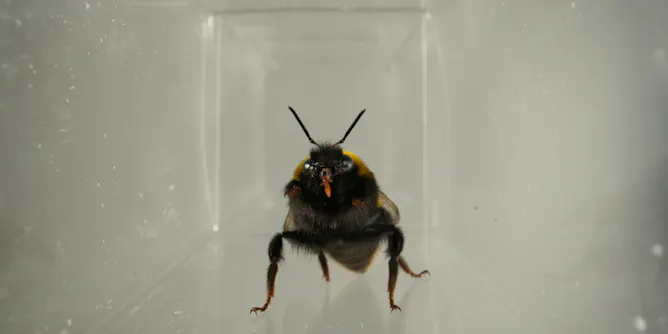
A new study builds on a wave of new work that is daring to suggest insects might have a form of consciousness.
Articles on Insects
Displaying 21 - 40 of 549 articles
The ballista spider only feeds on extremely fierce green tree ants – so it has evolved sophisticated tools to safely catch its prey.
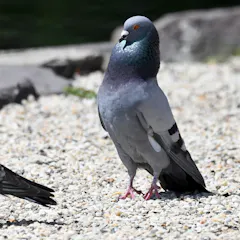
Dune flies have 41 different dance moves. Changing even one of them is rarer than you’d think.
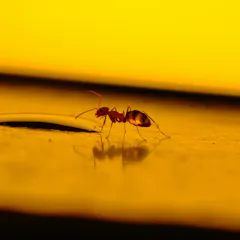
There are 10 quintillion insects in the world. Here’s what to do with the ones in your house.

Teach mozzies to link the smell of DEET with food, and they might seek it out. So what does this mean?
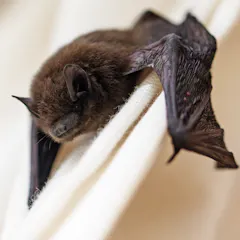
A bat biologist walks through the steps for persuading a bat to leave your home, and what to do when a whole family decides to roost in your attic.
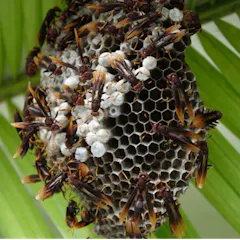
Well, someone has to keep the larvae fed.
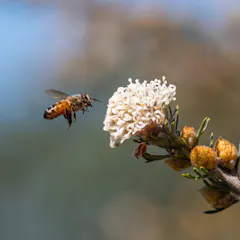
Bees may have tiny brains but they can make rapid and accurate choices.

A newly discovered, rare species of moth appears to live only in the Florida scrub. Scientists hope that naming it will allow it to be protected.
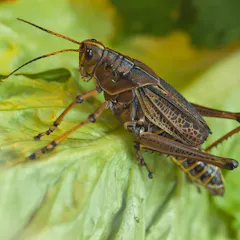
Research among adult visitors to the Montréal Insectarium reveals that many people will consider eating insects, especially when they are ground up as flour.
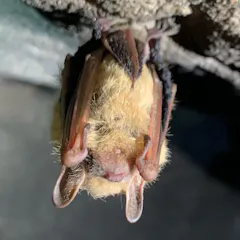
When bats disappear, farms become less productive, and that has broad implications far beyond the crops.
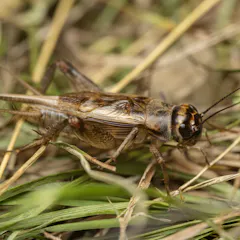
A new study supports a burgeoning challenge to the assumption that pain requires a brain anything like ours.

Pollinators support our nutritional health and are critical for crops of fruit, vegetables and beans.
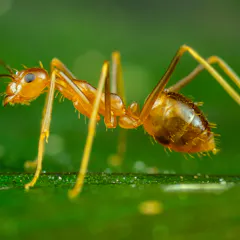
Biological invasions can severely harm the welfare of animals, causing them to suffer. AWICIS is a new framework that can be used to assess the severity of these impacts.
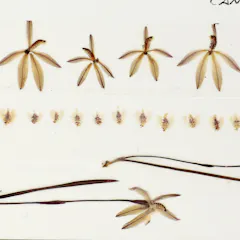
Orchids aren’t just beautiful or rare – they’re ecological time capsules that offer clues to the long-term health of ecosystems.
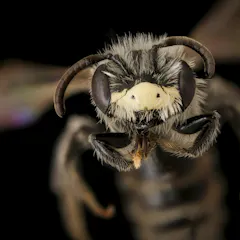
The accusations you might have heard about nonnative honey bees aren’t backed up by evidence. In fact, there are plenty of ways bees make the world a better place.
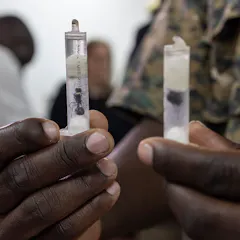
There is poor knowledge and a lack of clarity on international regulations governing trade in insects.
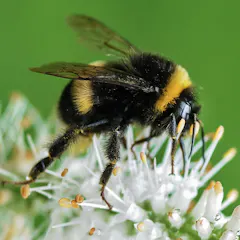
Turns out humans are not alone in mastering rhythm.

Many insects in Africa are likely to face dangerous levels of heat stress, with serious consequences for ecosystems.

The ability of queen bumblebees to breathe and survive underwater could play an important — and previously overlooked — role in the resilience of threatened bee populations.
Top contributors
-

Associate Professor in Entomology, University of Sydney
-
Clinical Associate Professor, School of Medical Science & Sydney Infectious Diseases Institute; Principal Hospital Scientist, University of Sydney
-
Professor of Behavioural Ecology, UCL
-
Lecturer, School of Life and Environmental Sciences, University of Sydney
-
Director of the Australian National Insect Collection, CSIRO
-
Lecturer in Ecology, University of New England
-
Associate Professor, Department of Physiology, Monash University
-
Research Fellow, School of Biological Sciences, Monash University
-
Postdoctoral Researcher in Mycology, West Virginia University
-
Adjunct associate, CSIRO
-
Associate Professor, Ecology, Northumbria University, Newcastle
-
Senior Research Associate in Entomology, Lancaster University
-
Assistant Professor, Faculty of Agriculture, Dalhousie University
-
Senior Ecologist, University of Sydney
-
PhD Candidate in Zoology, University of Otago